
The Ins and Outs of Digital Marketing Pricing
When it comes to digital marketing, pricing can be a complex and often confusing topic. Understanding how agencies and professionals determine their fees is essential for businesses looking to invest in online marketing strategies. Let’s delve into the key factors that influence digital marketing pricing.
Factors Affecting Digital Marketing Pricing
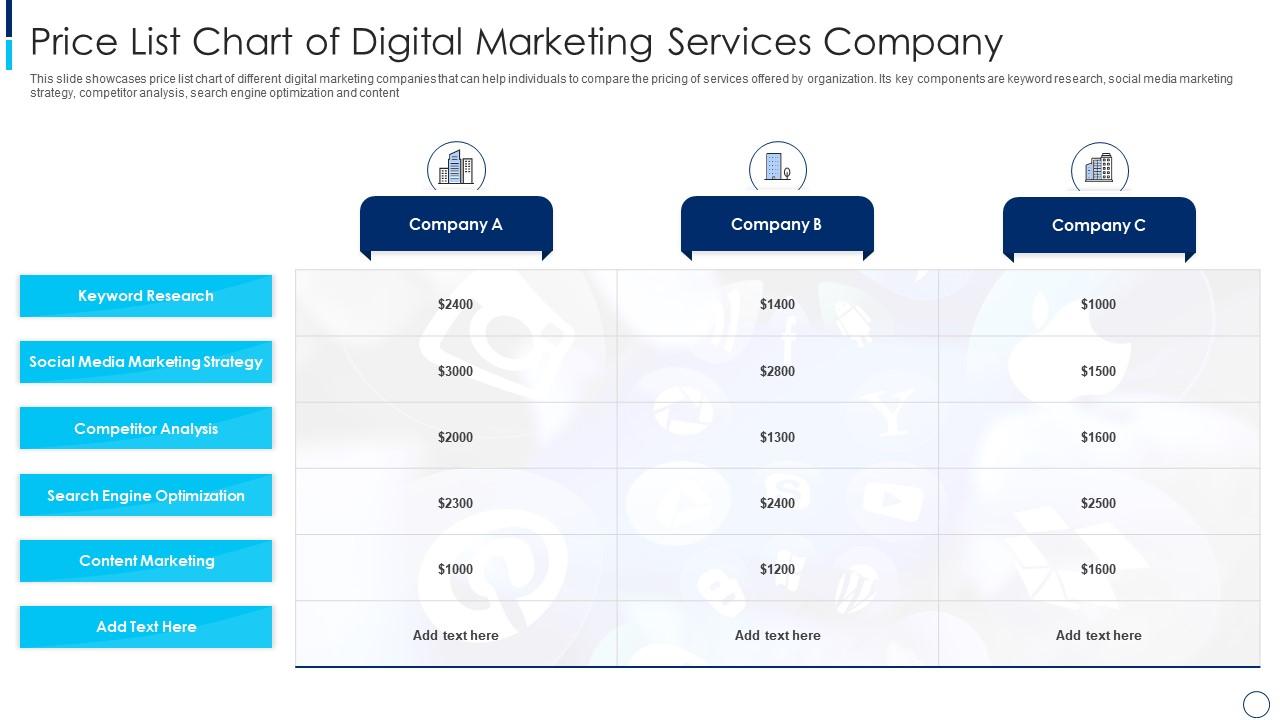
Scope of Services: The range of services offered by a digital marketing agency plays a significant role in determining pricing. Whether it’s SEO, social media management, PPC advertising, or content creation, each service comes with its own cost implications.
Expertise and Experience: The level of expertise and experience of the professionals working on your digital marketing campaigns can impact pricing. Agencies with a proven track record and specialised skills may charge higher fees.
Campaign Objectives: The complexity and goals of your digital marketing campaigns will also influence pricing. Campaigns aimed at driving brand awareness may have different cost structures compared to those focused on lead generation or sales conversion.
Industry Competition: The competitiveness of your industry can affect digital marketing pricing. Highly competitive sectors may require more resources and strategic efforts, leading to higher costs for effective marketing campaigns.
Common Pricing Models
Hourly Rate: Some digital marketers charge an hourly rate for their services, providing transparency in billing based on the time spent on your project.
Project-Based Pricing: For specific projects or campaigns with defined deliverables, agencies may offer project-based pricing to ensure clarity on costs and outcomes.
Performance-Based Pricing: In performance-based pricing models, fees are tied to the results achieved by the digital marketing campaign, such as leads generated or sales made.
Negotiating Digital Marketing Prices
When discussing digital marketing pricing with agencies or professionals, it’s essential to communicate your budget constraints and campaign objectives clearly. Negotiating flexible payment structures or exploring customised packages tailored to your needs can help you maximise the value of your investment in digital marketing services.
Five Essential Tips for Setting Competitive Digital Marketing Prices
- Consider the value you are providing to clients when setting your prices.
- Be transparent about your pricing structure to build trust with potential clients.
- Offer different pricing packages to cater to a variety of client needs and budgets.
- Regularly review and adjust your pricing strategy based on market trends and competition.
- Factor in all costs, including time, resources, and tools, when determining your pricing.
Consider the value you are providing to clients when setting your prices.
When determining pricing for your digital marketing services, it is crucial to carefully consider the value you are delivering to your clients. By aligning your prices with the tangible benefits and results that your services can bring to businesses, you not only justify your pricing but also build trust and credibility with your clients. Understanding the impact of your digital marketing strategies on their bottom line and overall success will help you set fair and competitive prices that reflect the value you provide.
Be transparent about your pricing structure to build trust with potential clients.
In the realm of digital marketing pricing, transparency is key to fostering trust and credibility with potential clients. By clearly outlining your pricing structure and detailing the costs associated with different services, you demonstrate honesty and integrity in your business practices. This transparency not only helps clients understand the value they will receive for their investment but also establishes a foundation of trust that is essential for building long-lasting relationships. When clients feel confident in your pricing transparency, they are more likely to see you as a reliable partner in achieving their digital marketing goals.
Offer different pricing packages to cater to a variety of client needs and budgets.
To optimise your digital marketing pricing strategy, consider offering a range of pricing packages tailored to accommodate diverse client needs and budgets. By providing different options, you can cater to a wider audience and make your services more accessible to businesses with varying financial resources. This approach not only enhances flexibility for clients but also allows you to showcase the value of your services at different price points, ultimately increasing the likelihood of securing partnerships with a broader spectrum of clients.
Regularly review and adjust your pricing strategy based on market trends and competition.
To ensure the effectiveness of your digital marketing pricing strategy, it is crucial to regularly review and adjust your approach in response to market trends and competitive dynamics. By staying attuned to shifts in consumer behaviour, industry developments, and the strategies employed by competitors, you can fine-tune your pricing model to remain competitive and maximise profitability. Flexibility and adaptability are key in the ever-evolving landscape of digital marketing, allowing you to optimise your pricing strategy for sustained success in a dynamic marketplace.
Factor in all costs, including time, resources, and tools, when determining your pricing.
When setting prices for digital marketing services, it is crucial to consider all expenses involved, such as the time spent on each project, the resources allocated, and the tools utilised. By factoring in these costs comprehensively, businesses can ensure that their pricing accurately reflects the value of the services provided. Taking into account all aspects of the investment allows for a more transparent and sustainable pricing strategy that aligns with both the client’s needs and the agency’s efforts in delivering effective digital marketing solutions.