
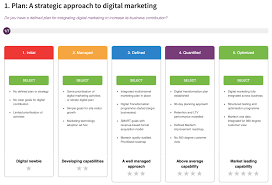
The Importance of an Effective Ecommerce Digital Marketing Strategy
In today’s digital age, having a strong ecommerce digital marketing strategy is essential for businesses looking to succeed online. With the increasing competition in the ecommerce industry, standing out and attracting customers requires a well-thought-out approach that leverages various digital marketing channels.
Understanding Your Audience
One of the key components of a successful ecommerce digital marketing strategy is understanding your target audience. By conducting thorough market research and analysing customer data, you can create detailed buyer personas that will help you tailor your marketing efforts to meet the specific needs and preferences of your audience.
Optimising Your Website
Your ecommerce website is the cornerstone of your online presence. Ensuring that it is user-friendly, visually appealing, and optimised for search engines is crucial for attracting and retaining customers. Implementing SEO best practices, creating high-quality content, and providing a seamless shopping experience are all essential elements of a successful ecommerce website.
Utilising Social Media
Social media platforms offer a powerful way to connect with your audience, drive traffic to your website, and increase brand awareness. By developing a strong social media presence and engaging with your followers through compelling content and promotions, you can build relationships with customers and encourage them to make purchases.
Implementing Email Marketing Campaigns
Email marketing remains one of the most effective tools for driving sales in the ecommerce industry. By building an email list of interested customers and sending targeted campaigns that showcase your products or promotions, you can nurture leads and encourage repeat purchases from existing customers.
Measuring Performance and Iterating
An effective ecommerce digital marketing strategy is not static but rather evolves based on data-driven insights. By regularly monitoring key performance metrics such as conversion rates, click-through rates, and customer acquisition costs, you can identify areas for improvement and make informed decisions to optimise your strategy over time.
Conclusion
In conclusion, a well-planned ecommerce digital marketing strategy is essential for driving growth and success in today’s competitive online landscape. By understanding your audience, optimising your website, utilising social media, implementing email marketing campaigns, and continually measuring performance, you can create a cohesive approach that attracts customers, drives sales, and builds brand loyalty.
Essential FAQs on Crafting an Effective Ecommerce Digital Marketing Strategy
- What is an ecommerce digital marketing strategy?
- Why is an effective digital marketing strategy important for ecommerce businesses?
- How can I target the right audience with my ecommerce digital marketing strategy?
- What are the key components of a successful ecommerce digital marketing strategy?
- How can social media be utilised in an ecommerce digital marketing strategy?
- What role does SEO play in an ecommerce digital marketing strategy?
- How can email marketing campaigns benefit an ecommerce business’s digital marketing strategy?
- What metrics should I track to measure the success of my ecommerce digital marketing strategy?
What is an ecommerce digital marketing strategy?
An ecommerce digital marketing strategy refers to a comprehensive plan that online businesses implement to promote their products or services and drive sales through digital channels. It involves a strategic approach to leveraging various online marketing tactics such as search engine optimisation (SEO), social media marketing, email campaigns, content marketing, and paid advertising to reach and engage with target audiences effectively. The goal of an ecommerce digital marketing strategy is to increase brand visibility, attract website traffic, convert visitors into customers, and ultimately maximise revenue through online sales. By developing a well-defined strategy tailored to the unique needs of the ecommerce business, companies can establish a strong online presence and stay competitive in the ever-evolving digital marketplace.
Why is an effective digital marketing strategy important for ecommerce businesses?
An effective digital marketing strategy is crucial for ecommerce businesses as it serves as the cornerstone of their online success. In an increasingly competitive digital landscape, a well-planned strategy helps businesses stand out, attract potential customers, and drive sales. By leveraging various digital marketing channels such as SEO, social media, and email marketing, ecommerce businesses can reach their target audience effectively, build brand awareness, and ultimately increase conversions. Without a robust digital marketing strategy in place, businesses risk being overshadowed by competitors and missing out on valuable opportunities to connect with customers in the online marketplace.
How can I target the right audience with my ecommerce digital marketing strategy?
To target the right audience effectively with your ecommerce digital marketing strategy, it is crucial to first conduct thorough market research and develop detailed buyer personas. By understanding the demographics, behaviours, and preferences of your target audience, you can tailor your marketing efforts to resonate with them. Utilising data analytics and customer insights can help you identify the most effective channels to reach your audience and create personalised messaging that speaks directly to their needs and interests. By continuously monitoring and analysing the performance of your campaigns, you can refine your targeting strategies to ensure that you are reaching the right audience with the right message at the right time.
What are the key components of a successful ecommerce digital marketing strategy?
A successful ecommerce digital marketing strategy comprises several key components that work together to drive online success. Understanding your target audience through detailed market research and creating tailored buyer personas is crucial. Optimising your ecommerce website for user experience and search engines, along with implementing SEO best practices, is essential for attracting and retaining customers. Leveraging social media platforms to engage with your audience, building a strong email marketing campaign to nurture leads, and continuously measuring performance metrics to make data-driven decisions are also vital components of a successful ecommerce digital marketing strategy. By integrating these elements cohesively, businesses can enhance brand visibility, attract customers, and drive conversions in the competitive online marketplace.
How can social media be utilised in an ecommerce digital marketing strategy?
Social media plays a pivotal role in an ecommerce digital marketing strategy by offering a platform to engage with customers, drive traffic to the ecommerce website, and increase brand visibility. By creating compelling content, running targeted ads, and engaging with followers through comments and messages, businesses can build relationships with their audience and encourage them to make purchases. Social media also provides valuable insights into customer preferences and behaviour, allowing businesses to tailor their marketing efforts effectively. Overall, social media acts as a powerful tool for reaching a wider audience, generating leads, and ultimately driving sales in the competitive world of ecommerce.
What role does SEO play in an ecommerce digital marketing strategy?
In an ecommerce digital marketing strategy, SEO plays a crucial role in driving organic traffic to the website and improving its visibility in search engine results. By optimising product pages, category pages, and blog content with relevant keywords and meta tags, ecommerce businesses can increase their chances of ranking higher in search engine results pages. This not only helps attract potential customers who are actively searching for products or services but also enhances the overall user experience by making it easier for visitors to find what they are looking for. Additionally, a well-executed SEO strategy can contribute to long-term success by establishing the website’s authority and credibility in the eyes of both search engines and users.
How can email marketing campaigns benefit an ecommerce business’s digital marketing strategy?
Email marketing campaigns play a pivotal role in enhancing an ecommerce business’s digital marketing strategy in several ways. By leveraging targeted and personalised email campaigns, ecommerce businesses can nurture customer relationships, drive repeat purchases, and increase brand loyalty. Through strategic segmentation and automation, businesses can deliver relevant content and promotions directly to their customers’ inboxes, leading to higher engagement and conversion rates. Additionally, email marketing allows businesses to communicate with their audience in a cost-effective manner, providing a direct channel to showcase new products, promotions, and exclusive offers. Overall, email marketing campaigns are a valuable tool for ecommerce businesses to drive sales, build customer loyalty, and maximise their digital marketing efforts.
What metrics should I track to measure the success of my ecommerce digital marketing strategy?
When evaluating the success of your ecommerce digital marketing strategy, it is crucial to track a range of key metrics to gain insights into its performance. Some essential metrics to monitor include conversion rate, which measures the percentage of website visitors who make a purchase; customer acquisition cost (CAC), which calculates how much it costs to acquire a new customer; average order value (AOV), indicating the average amount spent per transaction; and return on investment (ROI), showing the profitability of your marketing efforts. By analysing these metrics and others such as website traffic, click-through rates, and customer retention rates, you can assess the effectiveness of your strategy and make data-driven decisions to optimise your ecommerce marketing campaigns for greater success.