
The Ins and Outs of Online Advertising Costs
Online advertising has become an essential component of modern marketing strategies. Businesses of all sizes are leveraging the power of digital platforms to reach their target audiences. However, one crucial aspect that often perplexes advertisers is understanding online advertising costs.
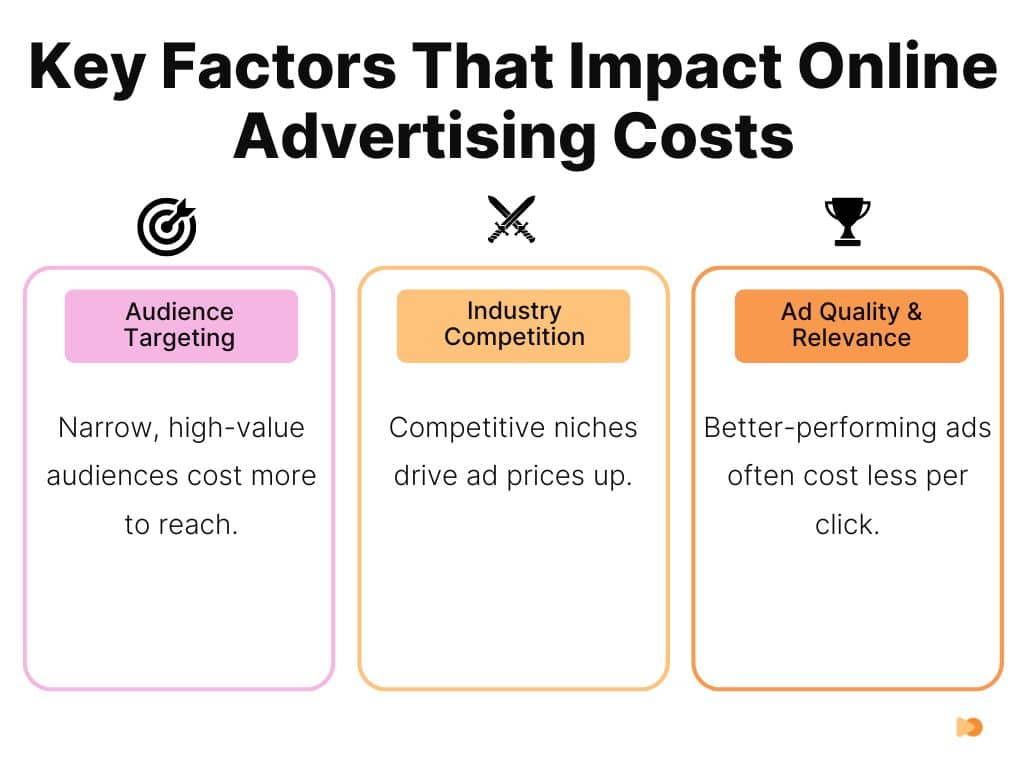
Factors Influencing Online Advertising Costs
Several factors can influence the cost of online advertising campaigns:
- Ad Placement: The placement of your ads on a website or platform can significantly impact costs. Prime ad placements, such as homepage banners or top search results, tend to be more expensive.
- Ad Format: Different ad formats, such as display ads, video ads, or sponsored content, come with varying price tags based on their effectiveness and demand.
- Target Audience: Advertisers often pay more to target specific demographics or interests that align with their products or services.
- Bidding Strategy: In platforms like Google Ads or social media advertising, the bidding strategy you choose can affect how much you pay per click or impression.
- Campaign Objectives: Whether your goal is brand awareness, lead generation, or conversions can impact the overall cost of your online advertising efforts.
Types of Online Advertising Pricing Models
Online advertising costs are typically determined by one of the following pricing models:
- Cost Per Click (CPC): Advertisers pay each time a user clicks on their ad.
- Cost Per Mille (CPM): Advertisers pay per thousand impressions of their ad.
- Cost Per Acquisition (CPA): Advertisers pay only when a specific action is taken by the user, such as making a purchase or signing up for a newsletter.
Tips for Managing Online Advertising Costs
To make the most out of your online advertising budget, consider these tips:
- Set Clear Goals: Define your objectives and target audience to create focused campaigns that yield better results at lower costs.
- Analyse Performance Metrics: Regularly monitor key performance indicators (KPIs) to identify areas for improvement and optimisation in your campaigns.
- A/B Testing: Experiment with different ad creatives, copy, and targeting strategies to find what resonates best with your audience while keeping costs in check.
- Budget Allocation: Allocate your budget strategically across various platforms and channels based on performance data to maximise ROI.
In conclusion, understanding online advertising costs requires a nuanced approach that considers various factors and pricing models. By implementing effective strategies and closely monitoring performance metrics, businesses can harness the power of online advertising while managing costs efficiently.
Understanding Online Advertising Costs: 7 Frequently Asked Questions
- What costs are advertising costs?
- How much does it cost to advertise online?
- How much does an online ad on Google cost?
- What are advertising costs?
- What is the cost of online advertising?
- Are online ads cheaper?
- How much do 30-second ads cost?
What costs are advertising costs?
When considering online advertising costs, it’s essential to understand the various components that contribute to the overall expenditure. Advertising costs encompass a range of expenses, including ad placement fees, creative production costs, targeting expenses, and platform fees. These costs can vary depending on factors such as ad format, target audience demographics, bidding strategies, and campaign objectives. By comprehensively analysing and budgeting for these different elements of advertising costs, businesses can effectively manage their online advertising budgets and maximise the return on their investment.
How much does it cost to advertise online?
One of the most frequently asked questions in the realm of online advertising is, “How much does it cost to advertise online?” The answer to this question is not a simple one-size-fits-all figure, as online advertising costs can vary significantly based on several factors. Factors such as ad placement, ad format, target audience, bidding strategy, and campaign objectives all play a crucial role in determining the cost of online advertising. Advertisers need to carefully consider these variables to create effective campaigns that align with their budget and marketing goals.
How much does an online ad on Google cost?
One of the most commonly asked questions regarding online advertising costs is, “How much does an online ad on Google cost?” The cost of placing an ad on Google, through platforms like Google Ads, can vary significantly based on several factors. These include the competitiveness of your industry, the keywords you target, the quality and relevance of your ad content, as well as your bidding strategy. Google Ads operates on a pay-per-click (PPC) model, where advertisers set a budget and pay when users click on their ads. Ad costs on Google are influenced by market demand and can range from a few pence to several pounds per click, making it essential for businesses to carefully plan and manage their online advertising budgets to achieve optimal results.
What are advertising costs?
“Advertising costs refer to the expenses incurred by businesses or individuals when promoting their products, services, or brand through various online channels. These costs encompass a range of expenditures, including ad placement fees, creative production costs, and platform-specific charges. Understanding advertising costs is crucial for devising effective marketing strategies and allocating budgets efficiently to reach target audiences and achieve desired campaign objectives in the competitive digital landscape.”
What is the cost of online advertising?
One of the most frequently asked questions in the realm of digital marketing is, “What is the cost of online advertising?” The answer to this question is multifaceted, as online advertising costs can vary significantly depending on various factors such as ad placement, ad format, target audience specificity, bidding strategy, and campaign objectives. Understanding the intricacies of online advertising pricing models like Cost Per Click (CPC), Cost Per Mille (CPM), and Cost Per Acquisition (CPA) is essential for businesses looking to make informed decisions about their digital advertising budgets. By delving into these nuances and implementing strategic approaches, advertisers can navigate the complexities of online advertising costs effectively to maximise their return on investment.
Are online ads cheaper?
The question of whether online ads are cheaper is a common inquiry among businesses exploring digital advertising options. While online ads can offer cost-effective solutions compared to traditional advertising channels like print or TV, the actual cost varies depending on several factors. Factors such as ad placement, target audience, ad format, and bidding strategy all play a role in determining the cost of online advertising. By carefully considering these factors and implementing strategic campaigns, businesses can leverage the affordability and efficiency of online ads to reach their marketing goals effectively.
How much do 30-second ads cost?
One of the frequently asked questions regarding online advertising costs is, “How much do 30-second ads cost?” The pricing of 30-second ads can vary significantly based on several factors, including the platform, audience reach, ad placement, and industry competition. Platforms like television, streaming services, and digital channels each have their own pricing structures for 30-second ad slots. Additionally, the time of day, seasonality, and target demographics can also influence the cost of airing a 30-second advertisement. Advertisers need to carefully consider these variables and conduct thorough research to determine the most effective and cost-efficient strategy for incorporating 30-second ads into their marketing campaigns.