
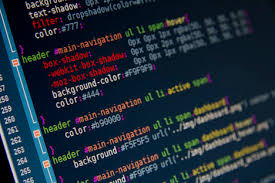
The Art of Web Design Coding
Web design coding is the backbone of every visually stunning and functional website on the internet. It involves the use of programming languages such as HTML, CSS, and JavaScript to bring life to a web designer’s vision. Let’s delve into the intricate world of web design coding and explore its significance in creating engaging online experiences.
HTML: The Structure Builder
HTML (HyperText Markup Language) is the foundation of web design coding. It provides the structure for web pages by defining elements such as headings, paragraphs, images, and links. With HTML, designers can create a hierarchy of content that forms the backbone of a website.
CSS: The Styling Wizard
CSS (Cascading Style Sheets) complements HTML by adding style and visual appeal to web pages. Designers use CSS to control layout, typography, colours, and other visual aspects of a website. By separating content from presentation, CSS allows for consistent styling across multiple pages.
JavaScript: The Interactive Enabler
JavaScript brings interactivity and dynamic functionality to websites. Designers use JavaScript to create animations, interactive forms, pop-ups, and other engaging features that enhance user experience. With JavaScript, websites can respond to user input in real-time, creating a more immersive browsing experience.
The Harmony of Coding Languages
Web design coding is a delicate balance between HTML for structure, CSS for style, and JavaScript for interactivity. When these languages work together harmoniously, they create visually appealing websites that are both functional and engaging. Skilful web designers understand how to leverage each language’s strengths to achieve their desired outcomes.
Conclusion
In conclusion, web design coding is an essential aspect of creating captivating online experiences. By mastering HTML, CSS, and JavaScript, designers can bring their creative visions to life on the digital canvas. The art of web design coding lies in finding the perfect balance between structure, style, and interactivity to craft websites that captivate audiences worldwide.
Top 9 FAQs About Coding in Web Design: What You Need to Know
- How to code for website design?
- Do web designers need coding?
- What is web design coding?
- Which coding is best for web design?
- Is coding a website easy?
- Is web design coding hard?
- What is web design programming?
- Does website design need coding?
- Is Python or HTML harder?
How to code for website design?
When it comes to coding for website design, the key is to understand the fundamental languages that underpin the process. HTML provides the structure for web pages, CSS controls the visual styling, and JavaScript adds interactivity. To code effectively for website design, one must have a solid grasp of these languages and how they work together harmoniously. Start by structuring your content with HTML, styling it with CSS to enhance visual appeal, and then incorporating JavaScript to make your website dynamic and engaging. By mastering these coding languages and their interactions, you can create visually stunning and functional websites that captivate users and deliver exceptional online experiences.
Do web designers need coding?
In the realm of web design, the question of whether web designers need coding skills is a common one. While there are various tools and platforms available that allow designers to create websites without extensive coding knowledge, having a basic understanding of coding can be highly beneficial. Knowledge of HTML, CSS, and JavaScript empowers web designers to customise designs, troubleshoot issues effectively, and collaborate more efficiently with developers. Coding skills provide designers with greater control over the visual and interactive elements of a website, enabling them to bring their creative visions to life with precision and finesse. Ultimately, while not always a strict requirement, coding proficiency can significantly enhance a web designer’s capabilities and opportunities in the ever-evolving digital landscape.
What is web design coding?
Web design coding refers to the process of using programming languages such as HTML, CSS, and JavaScript to create and structure the visual elements of a website. It involves writing code that dictates how content is displayed, styled, and interacted with on the web. Web design coding is essential for bringing a designer’s vision to life online, enabling them to craft engaging and functional websites that cater to user needs and preferences. By understanding the principles of web design coding, designers can create seamless and visually appealing digital experiences that leave a lasting impression on visitors.
Which coding is best for web design?
When it comes to web design coding, the question of which coding language is best often arises. Each coding language – HTML, CSS, and JavaScript – plays a crucial role in web design, with HTML providing structure, CSS handling styling, and JavaScript enabling interactivity. While there is no definitive answer to which coding language is best for web design, a combination of all three is typically used to create visually appealing and functional websites. Designers often choose the coding languages based on the specific requirements of a project and their desired outcomes, understanding that each language has its strengths that contribute to the overall success of a web design endeavour.
Is coding a website easy?
The question of whether coding a website is easy is a common query among individuals venturing into web design. The answer to this question varies depending on one’s familiarity with coding languages and their level of experience. For beginners, coding a website may seem daunting at first due to the need to learn languages like HTML, CSS, and JavaScript. However, with dedication, practice, and the abundance of online resources available, mastering web design coding can become more manageable over time. It ultimately boils down to perseverance and a willingness to learn the intricacies of coding in order to create functional and visually appealing websites.
Is web design coding hard?
The question often asked by individuals venturing into web design is, “Is web design coding hard?” The answer to this query varies depending on one’s perspective and level of experience. While the fundamentals of web design coding, such as HTML and CSS, can be relatively straightforward to grasp with practice and dedication, delving into more complex aspects like JavaScript and responsive design may pose challenges for beginners. However, with a curious mindset, perseverance, and access to resources like online tutorials and communities, mastering web design coding can be a rewarding journey that opens up a world of creative possibilities on the digital frontier.
What is web design programming?
Web design programming refers to the process of using programming languages such as HTML, CSS, and JavaScript to create visually appealing and interactive websites. It involves writing code that dictates the structure, style, and functionality of a website, allowing web designers to bring their creative visions to life on the digital platform. Web design programming plays a crucial role in shaping the user experience by determining how content is displayed, how users interact with elements on the page, and how information is conveyed effectively. It is through web design programming that websites are transformed from static pages into dynamic and engaging online experiences for visitors.
Does website design need coding?
Many individuals wonder, “Does website design need coding?” The answer lies in the complexity and functionality desired for a website. While website builders and content management systems offer templates that require minimal coding knowledge, custom designs often necessitate coding expertise. Coding languages like HTML, CSS, and JavaScript are fundamental in creating unique layouts, styles, and interactive elements on a website. Understanding coding can empower designers to tailor websites to specific requirements and enhance user experiences beyond the limitations of pre-made templates. Ultimately, the extent of coding required in website design depends on the level of customisation and functionality sought by the designer or developer.
Is Python or HTML harder?
When comparing Python and HTML in the context of web design coding, the question of which is harder often arises. HTML, as a markup language, primarily focuses on defining the structure and content of web pages. It is relatively straightforward to learn and understand, making it accessible to beginners in web design. On the other hand, Python is a versatile programming language used for various applications beyond web development. While Python offers more complexity with its syntax and concepts, it also provides greater flexibility and functionality for creating dynamic web applications. Ultimately, the perceived difficulty between Python and HTML in web design coding depends on one’s familiarity with programming languages and their specific project requirements.