
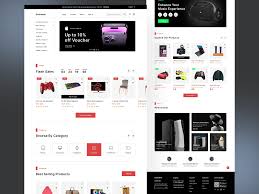
The Importance of UI/UX Design in Website Development
When it comes to creating a successful website, the design plays a crucial role in attracting and retaining users. User Interface (UI) and User Experience (UX) design are two key components that can make or break a website’s effectiveness. Let’s delve into why UI/UX design is so important in website development.
User Interface (UI) Design
UI design focuses on the visual elements of a website, such as layout, colours, typography, and interactive elements. A well-designed UI enhances the aesthetic appeal of a website and creates a seamless user experience. Clear navigation, intuitive buttons, and visually appealing graphics all contribute to an engaging UI design.
User Experience (UX) Design
UX design is all about creating a positive interaction between users and the website. It involves understanding user behaviour, anticipating their needs, and designing the website in a way that is easy to navigate and use. A good UX design ensures that users can accomplish their goals efficiently and enjoyably.
The Benefits of Good UI/UX Design
Enhanced User Engagement: A well-designed UI/UX encourages users to explore the website further and spend more time interacting with its content.
Improved Conversion Rates: A user-friendly interface and smooth navigation can lead to higher conversion rates as users are more likely to complete desired actions.
Brand Credibility: A visually appealing and easy-to-use website reflects positively on the brand, building trust with users.
Mobile Responsiveness: With the increasing use of mobile devices, a responsive UI/UX design ensures that the website functions seamlessly across different screen sizes.
Conclusion
UI/UX design is not just about making a website look good; it’s about creating an enjoyable and intuitive experience for users. By investing in quality UI/UX design, businesses can differentiate themselves from competitors, increase user engagement, and ultimately achieve their online goals effectively.
Understanding UI/UX Design: Key FAQs for Enhancing Website Experience
- What is UI/UX design and why is it important for websites?
- How does UI design differ from UX design in website development?
- What are the key principles of good UI/UX design for websites?
- How can a well-designed UI/UX improve user engagement on a website?
- What tools and software are commonly used in UI/UX design for websites?
- How can businesses measure the success of their UI/UX design on their website?
What is UI/UX design and why is it important for websites?
User Interface (UI) design and User Experience (UX) design are integral aspects of website development. UI design focuses on the visual elements and layout of a website, ensuring it is visually appealing and easy to navigate. On the other hand, UX design is all about creating a seamless and enjoyable experience for users by anticipating their needs and making interactions intuitive. The importance of UI/UX design for websites lies in its ability to enhance user engagement, improve conversion rates, build brand credibility, ensure mobile responsiveness, and ultimately create a positive impression that sets a website apart from its competitors. In essence, UI/UX design plays a crucial role in shaping the overall success and effectiveness of a website.
How does UI design differ from UX design in website development?
In the realm of website development, the distinction between UI design and UX design is crucial. While UI design focuses on the visual aspects and aesthetics of a website, such as layout, colours, and typography, UX design delves deeper into creating a seamless user experience by understanding user behaviour and ensuring intuitive navigation. In essence, UI design is about how a website looks, while UX design is about how it feels to interact with the website. Both elements are essential in creating a successful website that not only captivates users visually but also provides them with a satisfying and efficient browsing experience.
What are the key principles of good UI/UX design for websites?
When it comes to creating effective UI/UX design for websites, several key principles play a crucial role in delivering a seamless and engaging user experience. These principles include simplicity, consistency, clarity, user-centricity, and accessibility. Simplicity ensures that the design is clean and uncluttered, making it easy for users to navigate the website. Consistency in design elements such as colours, fonts, and layouts helps create a cohesive and familiar experience for users. Clarity involves presenting information in a clear and concise manner to avoid confusion. User-centricity focuses on understanding user needs and preferences to tailor the design accordingly. Lastly, accessibility ensures that the website is usable by all users, including those with disabilities or using assistive technologies. By adhering to these key principles, UI/UX designers can create websites that are not only visually appealing but also functional and user-friendly.
How can a well-designed UI/UX improve user engagement on a website?
A well-designed UI/UX plays a crucial role in enhancing user engagement on a website by creating a seamless and enjoyable browsing experience. When users find a website visually appealing, easy to navigate, and intuitive to use, they are more likely to stay longer, explore different sections, and interact with the content. Clear call-to-action buttons, logical information architecture, and responsive design all contribute to keeping users engaged and satisfied. By prioritising user needs and preferences in the UI/UX design process, businesses can foster stronger connections with their audience, leading to increased interaction, higher conversion rates, and ultimately, a more successful online presence.
What tools and software are commonly used in UI/UX design for websites?
In the realm of UI/UX design for websites, a variety of tools and software are commonly utilised to streamline the design process and enhance user experience. Designers often rely on industry-standard tools such as Adobe XD, Sketch, and Figma for creating wireframes, prototypes, and visual designs. These platforms offer a range of features that facilitate collaboration, iteration, and testing to ensure the final product meets user needs effectively. Additionally, tools like InVision and Axure RP are popular for creating interactive prototypes that provide a realistic preview of website functionality. By harnessing these tools, designers can craft engaging and user-centric website experiences that resonate with their target audience.
How can businesses measure the success of their UI/UX design on their website?
Businesses can measure the success of their UI/UX design on their website through various metrics and feedback mechanisms. One common method is to track user engagement metrics, such as bounce rate, time spent on page, and conversion rates. These indicators provide insights into how users are interacting with the website and whether the design is effectively guiding them towards desired actions. Additionally, conducting user testing and gathering feedback through surveys or usability studies can offer valuable qualitative data on user satisfaction and pain points. By analysing both quantitative and qualitative data, businesses can continuously evaluate and improve their UI/UX design to enhance the overall user experience and achieve their website goals.