
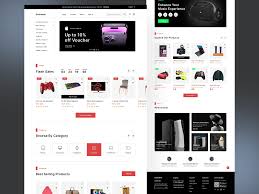
The Art of UX Design in Website Development
When it comes to creating a successful website, User Experience (UX) design plays a pivotal role in engaging visitors and converting them into loyal customers. UX design focuses on enhancing user satisfaction by improving the usability, accessibility, and overall interaction between the user and the website.
Key Elements of UX Design
Effective UX design involves a combination of several key elements:
- Intuitive Navigation: Users should be able to navigate through the website effortlessly, finding what they need without confusion.
- Clean Layout: A clutter-free layout with clear visual hierarchy helps users focus on important content.
- Responsive Design: Ensuring that the website is optimised for various devices and screen sizes enhances the user experience across different platforms.
- Engaging Visuals: High-quality images, videos, and graphics can captivate users and convey information effectively.
- Consistent Branding: Maintaining consistent branding elements such as colours, fonts, and tone of voice creates a cohesive user experience.
The Impact of UX Design on Business Success
A well-executed UX design can have a significant impact on business success. By providing users with a seamless and enjoyable experience, websites can increase customer satisfaction, encourage repeat visits, and ultimately drive conversions and sales. Positive user experiences also lead to higher retention rates and positive word-of-mouth referrals.
The Future of UX Design
As technology continues to evolve, so does the field of UX design. With advancements in artificial intelligence, virtual reality, and personalised experiences, the future of UX design holds exciting possibilities for creating even more immersive and tailored user interactions. Embracing these innovations will be crucial for staying ahead in the competitive digital landscape.
7 Benefits of UX Design: Elevating User Satisfaction and Engagement
- Enhances user satisfaction
- Improves website usability
- Increases user engagement
- Boosts conversion rates
- Builds brand loyalty
- Facilitates intuitive navigation
- Creates a positive first impression
Five Common Pitfalls in UX Design Websites: Over-Design, Lack of Personalisation, Slow Loading Times, Inconsistent Navigation, and Accessibility Challenges
- 1. Over-Design
- 2. Lack of Personalisation
- 3. Slow Loading Times
- 4. Inconsistent Navigation
- 5. Accessibility Issues
Enhances user satisfaction
Enhancing user satisfaction is a fundamental pro of UX design for websites. By prioritising the needs and preferences of users, a well-crafted UX design ensures that visitors have a seamless and enjoyable experience while interacting with the website. This focus on user satisfaction leads to increased engagement, improved retention rates, and ultimately fosters a positive relationship between users and the brand. When users feel satisfied with their interactions on a website, they are more likely to return, explore further, and potentially convert into loyal customers.
Improves website usability
Enhancing website usability through UX design is a crucial benefit that ensures users can navigate a site effortlessly and find the information they need quickly and intuitively. By streamlining the user journey, simplifying complex processes, and providing clear calls to action, UX design improves the overall user experience. This focus on usability not only increases user satisfaction but also reduces frustration, leading to higher engagement levels and ultimately driving conversions and achieving business goals effectively.
Increases user engagement
By focusing on enhancing user engagement, UX design plays a crucial role in creating websites that captivate and retain visitors. Through intuitive navigation, visually appealing layouts, and interactive elements, UX design encourages users to explore the website further, interact with its content, and ultimately build a meaningful connection with the brand. By increasing user engagement, websites can foster a sense of loyalty and trust, leading to higher conversion rates and long-term customer relationships.
Boosts conversion rates
A well-crafted User Experience (UX) design on a website has the remarkable ability to boost conversion rates significantly. By creating a seamless and intuitive user journey, where visitors can easily find what they are looking for and navigate through the website effortlessly, UX design enhances user satisfaction and encourages them to take desired actions, such as making a purchase or signing up for a service. The streamlined experience provided by effective UX design not only increases conversions but also fosters trust and loyalty among users, ultimately driving business growth and success.
Builds brand loyalty
One significant advantage of incorporating UX design into a website is its ability to build brand loyalty. By providing users with a seamless and enjoyable online experience, a well-designed website can leave a lasting positive impression on visitors. When users find a website easy to navigate, visually appealing, and engaging, they are more likely to develop trust in the brand and feel a sense of connection. This positive interaction fosters brand loyalty as users are inclined to return to the website for future interactions and recommend it to others, ultimately strengthening the brand-consumer relationship.
Facilitates intuitive navigation
Facilitating intuitive navigation is a key advantage of UX design for websites. By implementing user-friendly navigation elements such as clear menus, logical information architecture, and prominent call-to-action buttons, websites can guide visitors seamlessly through their online journey. This intuitive approach enhances user satisfaction, reduces frustration, and ultimately leads to a more positive and engaging experience for users. Effective navigation design not only helps users find what they are looking for quickly but also encourages them to explore further, increasing the likelihood of achieving the website’s goals and objectives.
Creates a positive first impression
One of the key advantages of incorporating UX design into a website is its ability to create a positive first impression for visitors. A well-designed user experience welcomes users with intuitive navigation, visually appealing layouts, and engaging content, setting the tone for a memorable interaction. By prioritising user satisfaction from the moment they land on the site, businesses can establish credibility, build trust, and leave a lasting impact that encourages further exploration and engagement.
1. Over-Design
Excessive focus on aesthetics, known as over-design, can be a significant drawback in UX design for websites. When designers prioritise visual appeal over functionality, the result may be a cluttered and confusing user experience. Intricate designs and flashy elements can overwhelm users, making it difficult for them to navigate the website and find the information they need. Striking a balance between aesthetics and usability is crucial to ensure that the design enhances rather than hinders the overall user experience.
2. Lack of Personalisation
Failing to incorporate personalisation in UX design can lead to a significant drawback. Without catering to individual preferences, websites risk adopting a generic, one-size-fits-all approach that may fail to resonate with diverse user demographics. Personalisation is key in creating a more engaging and relevant user experience, as it allows for tailored content and interactions that address the specific needs and preferences of each user. By neglecting personalisation, websites may miss out on the opportunity to establish deeper connections with users and enhance overall satisfaction levels.
3. Slow Loading Times
Slow Loading Times can be a significant drawback of UX design on websites. Incorporating complex elements like large images or animations may result in prolonged loading times, testing the patience of users and increasing the likelihood of high bounce rates. When users encounter delays in accessing content due to heavy design features, they are more likely to abandon the site in search of faster alternatives, highlighting the importance of balancing creativity with performance in UX design.
4. Inconsistent Navigation
Inconsistent navigation patterns present a significant drawback in UX design for websites. When users encounter varying navigation structures as they move through different pages, it can lead to confusion and frustration. This inconsistency hampers user experience by making it difficult for visitors to locate the information or features they seek, ultimately hindering their ability to engage effectively with the website. Consistent navigation is key to guiding users seamlessly and enhancing their overall satisfaction and usability of the site.
5. Accessibility Issues
Neglecting accessibility considerations in UX design can be a significant con that impacts the inclusivity of a website. By overlooking the needs of users with disabilities, such as visual impairments or motor skill limitations, websites risk alienating a portion of their audience and hindering their ability to fully engage with the content and functionality provided. Addressing accessibility issues is crucial in creating a user-friendly experience that caters to all individuals, regardless of their abilities, ensuring equal access to information and services on the website.