
The Power of Online and Social Media Marketing
In today’s digital age, online and social media marketing have become indispensable tools for businesses looking to reach a wider audience and engage with their customers on a more personal level.
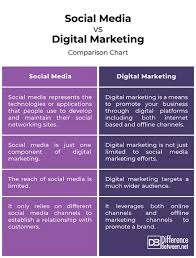
Online marketing encompasses a range of strategies, including search engine optimisation (SEO), pay-per-click advertising (PPC), content marketing, email marketing, and more. These techniques help businesses increase their online visibility, drive traffic to their websites, and ultimately boost sales.
Social media marketing, on the other hand, leverages popular social platforms such as Facebook, Instagram, Twitter, and LinkedIn to connect with target audiences in a more interactive way. By creating engaging content, running targeted ads, and fostering relationships with followers, businesses can build brand awareness and loyalty.
The Benefits of Online and Social Media Marketing
- Increased Reach: With billions of people active on the internet and social media platforms daily, businesses can reach a global audience like never before.
- Targeted Advertising: Online marketing allows for precise targeting based on demographics, interests, behaviour, and more, ensuring that ads reach the right people at the right time.
- Engagement: Social media platforms provide a direct line of communication between businesses and customers, allowing for real-time interactions that build trust and loyalty.
- Data-driven Insights: Online marketing tools offer valuable data analytics that help businesses track performance metrics, understand customer behaviour, and make informed decisions for future campaigns.
- Cost-effective: Compared to traditional advertising methods, online and social media marketing often offer better ROI due to their lower costs and ability to target specific audiences.
Tips for Effective Online and Social Media Marketing
- Define Your Goals: Clearly outline what you want to achieve with your online marketing efforts to create focused strategies.
- Create Quality Content: Engaging content is key to attracting and retaining an online audience. Tailor your content to suit each platform’s unique style.
- Engage with Your Audience: Respond to comments, messages, and feedback promptly to show your customers that you value their input.
- Analyse Performance: Regularly review your campaign metrics to identify what’s working well and where improvements can be made.
- Stay Updated: The digital landscape is constantly evolving. Stay informed about new trends and technologies to stay ahead of the competition.
In conclusion, online and social media marketing are powerful tools that can help businesses connect with their target audience in meaningful ways. By leveraging these strategies effectively and staying agile in a rapidly changing digital world, businesses can drive growth, build brand loyalty, and achieve long-term success.
Essential FAQs on Online and Social Media Marketing: Strategies, Platforms, and Success Measurement
- What is online marketing and how does it differ from traditional marketing?
- How can search engine optimisation (SEO) benefit my business in online marketing?
- What social media platforms are most effective for social media marketing?
- How can businesses measure the success of their online and social media marketing campaigns?
- What are the key factors to consider when creating a content strategy for social media marketing?
- How can businesses effectively target their audience through online advertising?
What is online marketing and how does it differ from traditional marketing?
Online marketing, also known as digital marketing, refers to the use of internet-based platforms and technologies to promote products or services. It encompasses a range of strategies such as search engine optimisation (SEO), pay-per-click advertising (PPC), content marketing, email campaigns, and social media marketing. The key difference between online marketing and traditional marketing lies in their reach and targeting capabilities. Online marketing allows businesses to reach a global audience with precision targeting based on demographics, interests, behaviour, and more. Unlike traditional marketing methods such as print ads or TV commercials, online marketing offers real-time data analytics and insights that enable businesses to track performance metrics and adjust strategies for optimal results in a cost-effective manner.
How can search engine optimisation (SEO) benefit my business in online marketing?
Search engine optimisation (SEO) plays a crucial role in enhancing the online visibility and reach of businesses. By implementing SEO strategies effectively, businesses can improve their website’s ranking on search engine results pages, making it easier for potential customers to find them. Higher visibility means increased organic traffic to the website, which can translate into more leads and conversions. Furthermore, SEO helps build credibility and trust with users, as websites that appear at the top of search results are often perceived as more reliable and authoritative. Ultimately, investing in SEO as part of your online marketing efforts can significantly benefit your business by driving targeted traffic, boosting brand awareness, and ultimately increasing revenue.
What social media platforms are most effective for social media marketing?
When it comes to social media marketing, the choice of platforms can significantly impact the success of a campaign. While each business’s target audience and goals may vary, some social media platforms have proven to be particularly effective for marketing purposes. Platforms such as Facebook, with its vast user base and powerful advertising tools, Instagram for visually engaging content, Twitter for real-time interactions and customer service, LinkedIn for B2B networking and professional connections, and YouTube for video content reach are commonly cited as effective channels. Understanding the unique strengths of each platform and aligning them with specific marketing objectives can help businesses maximise their social media marketing efforts and connect with their target audience more effectively.
How can businesses measure the success of their online and social media marketing campaigns?
Businesses can measure the success of their online and social media marketing campaigns through a variety of key performance indicators (KPIs) that provide valuable insights into the effectiveness of their efforts. Metrics such as website traffic, conversion rates, engagement levels, click-through rates, social media reach and impressions, lead generation, and return on investment (ROI) can all help businesses evaluate the impact of their campaigns. By analysing these metrics regularly and comparing them against set goals and benchmarks, businesses can determine what strategies are working well and where adjustments may be needed to optimise their online and social media marketing performance.
What are the key factors to consider when creating a content strategy for social media marketing?
When creating a content strategy for social media marketing, several key factors must be considered to ensure its effectiveness. Firstly, understanding the target audience is crucial – knowing their demographics, preferences, and online behaviour helps tailor content that resonates with them. Consistency in posting frequency and voice maintains brand identity and keeps followers engaged. Variety in content formats such as videos, images, infographics, and blogs adds depth to the strategy. Incorporating trending topics and relevant hashtags boosts visibility and reach. Lastly, monitoring analytics regularly allows for adjustments based on performance data to optimise the content strategy for maximum impact.
How can businesses effectively target their audience through online advertising?
To effectively target their audience through online advertising, businesses must first conduct thorough market research to understand their target demographic’s preferences, behaviours, and online habits. By utilising tools such as Google Analytics and social media insights, businesses can gather valuable data to create detailed customer profiles. With this information, businesses can then tailor their advertising campaigns to reach specific segments of their audience with relevant content and messaging. Implementing targeted keywords, demographics, interests, and behaviours in online ad campaigns can help businesses maximise their reach and engagement with the right audience, ultimately leading to higher conversion rates and return on investment.