
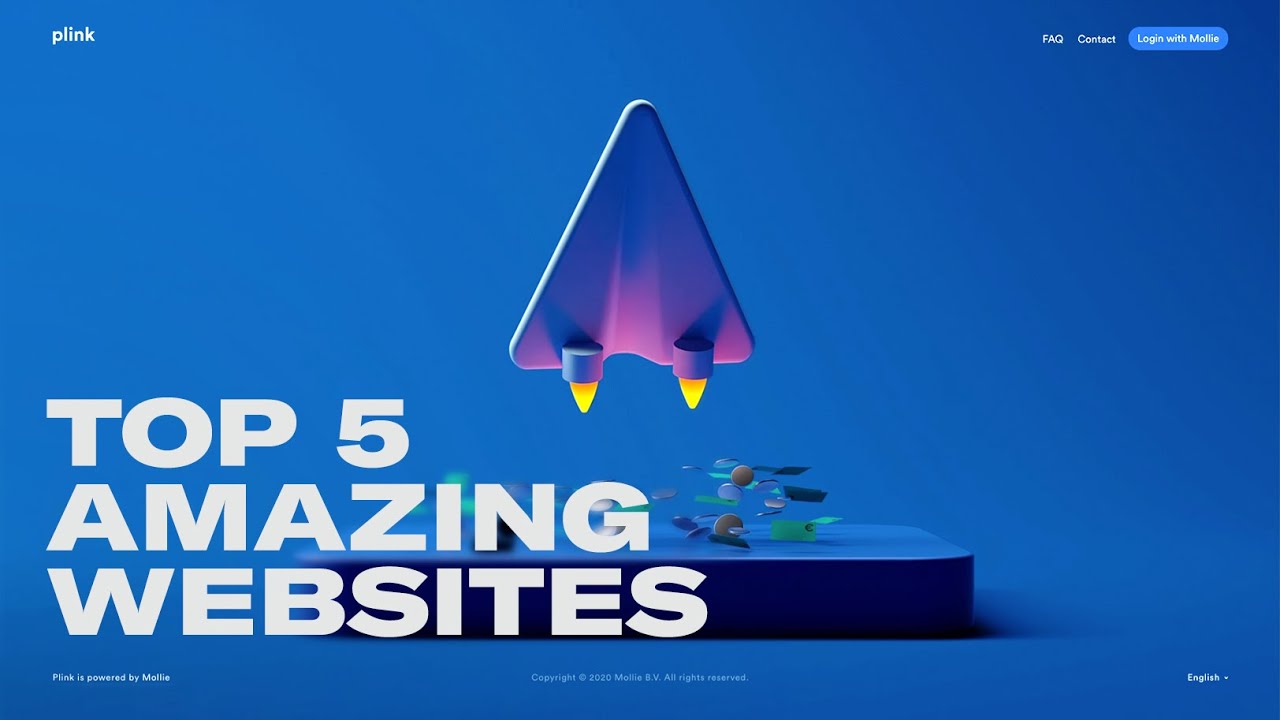
The Best Website Designs of 2020
As we bid farewell to the year 2020, it’s time to reflect on some of the most outstanding website designs that have captivated users and set new standards in the digital realm. The past year has seen a surge in creativity and innovation, with designers pushing boundaries and embracing new trends to deliver exceptional online experiences.
Apple
Apple’s website design in 2020 continued to exemplify simplicity and elegance. With a clean layout, striking visuals, and intuitive navigation, Apple’s site effortlessly showcases its products while providing a seamless user experience.
Stripe
Stripe’s website stands out for its modern and user-friendly design. The use of vibrant colours, interactive elements, and concise content makes navigating the site a delightful experience. Stripe effectively communicates its services while maintaining a visually appealing interface.
Airbnb
Airbnb’s website design in 2020 embraced a more personalised approach, focusing on tailored recommendations and engaging storytelling. The use of immersive imagery, intuitive search features, and seamless booking process contributed to an enhanced user journey on the platform.
Webflow
Webflow’s website design exemplifies creativity and functionality. With its responsive layout, dynamic animations, and comprehensive resources for users, Webflow’s site serves as a testament to effective web design practices in 2020.
Nike
Nike’s website design in 2020 combined bold visuals with interactive elements to create an engaging digital experience for visitors. Through innovative product showcases, compelling storytelling, and seamless e-commerce integration, Nike successfully connected with its audience online.
In conclusion, the best website designs of 2020 have demonstrated the power of creativity, user-centric design principles, and seamless functionality in engaging audiences online. As we look ahead to future innovations in web design, these exemplary sites serve as inspiration for designers worldwide.
Top 9 Website Design Features of 2020: Aesthetic Appeal, User Experience, and Accessibility
- Sleek and modern aesthetics that appeal to users’ visual senses.
- Intuitive navigation for effortless user experience and seamless browsing.
- Innovative use of interactive elements to engage visitors and enhance interactivity.
- Fast loading times for improved performance and reduced bounce rates.
- Responsive design that ensures optimal viewing across various devices and screen sizes.
- Clear and concise content presentation for easy consumption of information.
- Effective use of whitespace to create a clean, uncluttered layout that enhances readability.
- Integration of multimedia elements such as videos and animations for dynamic storytelling.
- Accessibility features implemented to cater to users with diverse needs.
Potential Drawbacks of Leading Website Designs in 2020: Complexity, Performance, and Accessibility Challenges
- Overly complex designs may hinder user experience and lead to confusion.
- Heavy use of animations and graphics can slow down page loading times, impacting performance.
- Lack of accessibility features may exclude users with disabilities from fully engaging with the website.
Sleek and modern aesthetics that appeal to users’ visual senses.
In the realm of website design in 2020, a notable pro that stood out was the incorporation of sleek and modern aesthetics that captivated users’ visual senses. By embracing clean layouts, stylish typography, and visually appealing elements, websites were able to create a visually stunning experience for visitors. This focus on aesthetics not only enhanced the overall look of websites but also played a crucial role in engaging users and leaving a lasting impression. The seamless integration of sleek and modern design elements undoubtedly contributed to elevating user experience and setting new standards in the digital landscape.
Intuitive navigation for effortless user experience and seamless browsing.
In the realm of best website design in 2020, one standout pro was the emphasis on intuitive navigation, offering users an effortless browsing experience. By implementing clear menu structures, logical flow, and user-friendly interfaces, websites were able to guide visitors seamlessly through their content. This focus on intuitive navigation not only enhanced user satisfaction but also encouraged prolonged engagement and facilitated easy access to desired information or services.
Innovative use of interactive elements to engage visitors and enhance interactivity.
In the realm of best website design in 2020, a standout pro was the innovative incorporation of interactive elements to captivate visitors and elevate user engagement. By seamlessly integrating features such as dynamic animations, interactive menus, and immersive storytelling techniques, websites were able to create a more engaging and interactive experience for users. This strategic use of interactivity not only enhanced user satisfaction but also encouraged prolonged interaction with the website, ultimately leading to a more memorable and impactful online presence.
Fast loading times for improved performance and reduced bounce rates.
In the realm of best website design in 2020, one standout pro was the emphasis on fast loading times, leading to improved performance and reduced bounce rates. Websites that prioritised quick loading speeds not only provided users with a seamless browsing experience but also significantly decreased the likelihood of visitors abandoning the site due to sluggish performance. This focus on optimising loading times not only enhanced user satisfaction but also contributed to higher engagement levels and increased conversions, highlighting the crucial role that website speed plays in driving online success.
Responsive design that ensures optimal viewing across various devices and screen sizes.
In the realm of best website design in 2020, one standout pro was the emphasis on responsive design. This approach ensured that websites were optimised for viewing across a multitude of devices and screen sizes, providing users with a seamless and consistent experience regardless of the device they were using. By prioritising responsiveness, designers were able to cater to the diverse ways in which audiences access content online, enhancing accessibility and user satisfaction.
Clear and concise content presentation for easy consumption of information.
In the realm of best website design in 2020, a prominent advantage lies in the clear and concise presentation of content, facilitating effortless consumption of information for users. By prioritising clarity and brevity in conveying messages, websites have successfully enhanced user engagement and comprehension. This approach not only streamlines the user experience but also establishes a strong foundation for effective communication, ensuring that visitors can easily access and absorb the intended information without unnecessary distractions or confusion.
Effective use of whitespace to create a clean, uncluttered layout that enhances readability.
In the realm of website design in 2020, one standout pro was the effective utilisation of whitespace to craft clean and uncluttered layouts that significantly enhanced readability. By strategically incorporating generous amounts of whitespace around key elements such as text, images, and buttons, designers were able to create a visually appealing environment that not only looked modern and sophisticated but also made it easier for users to navigate and consume content. This deliberate use of whitespace not only improved the overall aesthetic appeal of websites but also played a crucial role in enhancing user experience by promoting clarity and focus on essential information.
Integration of multimedia elements such as videos and animations for dynamic storytelling.
In the realm of website design in 2020, a notable pro was the seamless integration of multimedia elements like videos and animations to enhance storytelling. By incorporating dynamic visuals and interactive features, designers were able to captivate users and convey narratives in a more engaging and immersive manner. This trend not only added depth and creativity to websites but also allowed brands to connect with their audience on a deeper level, creating memorable online experiences that resonated long after the initial visit.
Accessibility features implemented to cater to users with diverse needs.
In the realm of best website design in 2020, a standout pro was the widespread implementation of accessibility features tailored to cater to users with diverse needs. By prioritising inclusivity and user-friendliness, designers incorporated features such as alternative text for images, keyboard navigation options, and colour contrast adjustments to ensure that individuals with varying abilities could navigate and engage with online content effortlessly. This commitment to accessibility not only enhanced the user experience for all visitors but also reflected a profound dedication to creating a more inclusive digital landscape.
Overly complex designs may hinder user experience and lead to confusion.
In the realm of best website design in 2020, one notable con that emerged was the tendency towards overly complex designs that could potentially impede user experience and result in confusion. While creativity and innovation are essential in captivating audiences, intricate layouts, excessive animations, and convoluted navigation systems may overwhelm users, leading to frustration and disengagement. Striking a balance between aesthetic appeal and usability is crucial to ensure that websites deliver a seamless and intuitive experience for visitors, ultimately enhancing engagement and satisfaction.
Heavy use of animations and graphics can slow down page loading times, impacting performance.
In the realm of best website design in 2020, one notable con that emerged was the heavy use of animations and graphics, which could potentially slow down page loading times and adversely impact overall performance. While visually appealing animations and graphics can enhance user engagement and aesthetics, excessive use without proper optimization may lead to longer loading times, frustrating users and potentially driving them away from the site. Striking a balance between captivating visuals and optimal performance remains a crucial challenge for designers seeking to create exceptional online experiences in the ever-evolving digital landscape.
Lack of accessibility features may exclude users with disabilities from fully engaging with the website.
In the realm of best website design in 2020, one significant drawback that cannot be overlooked is the potential exclusion of users with disabilities due to the lack of accessibility features. While many websites have excelled in aesthetics and functionality, the failure to incorporate inclusive design elements may hinder individuals with disabilities from fully engaging with the content and services offered. It is crucial for designers to prioritise accessibility by implementing features such as alternative text for images, keyboard navigation options, and clear contrast for readability, ensuring that all users can navigate and interact with websites seamlessly.