
The Power of Digital Marketing in Ecommerce
In today’s fast-paced digital landscape, ecommerce has become a cornerstone of the retail industry. With the rise of online shopping, businesses are increasingly turning to digital marketing strategies to reach and engage with their target audience. Let’s explore how digital marketing is reshaping the world of ecommerce.
Targeted Advertising
Digital marketing allows ecommerce businesses to target specific demographics and audiences with precision. Through tools like social media advertising and Google AdWords, businesses can tailor their ads to reach potential customers based on their interests, behaviour, and demographics. This targeted approach increases the likelihood of conversion and maximises ROI.
Personalised Customer Experience
Personalisation is key in today’s competitive ecommerce landscape. Digital marketing enables businesses to create personalised experiences for customers through targeted emails, product recommendations, and tailored content. By understanding customer preferences and behaviour, businesses can enhance customer loyalty and drive repeat purchases.
Data-Driven Decision Making
Digital marketing provides valuable insights into customer behaviour and preferences through data analytics. By analysing metrics such as website traffic, conversion rates, and customer engagement, ecommerce businesses can make informed decisions to optimise their marketing strategies. This data-driven approach allows businesses to continuously refine their tactics for better results.
Multi-Channel Marketing
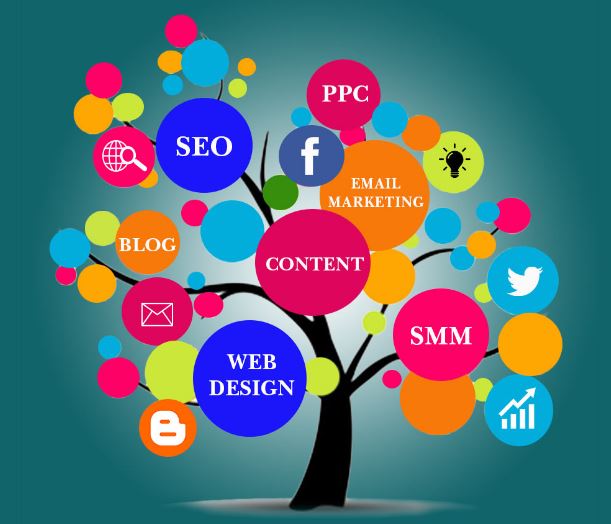
Ecommerce businesses can leverage multiple digital channels to reach customers at various touchpoints along their buying journey. From social media platforms to email marketing and search engine optimisation (SEO), a multi-channel approach ensures that businesses connect with customers wherever they are online. This integrated strategy maximises brand visibility and engagement.
Enhanced Customer Engagement
Digital marketing fosters interactive communication between businesses and customers. Through social media engagement, live chat support, and interactive content such as videos and quizzes, ecommerce brands can build meaningful relationships with their audience. By engaging customers in real-time conversations, businesses can address queries, provide assistance, and gather feedback for continuous improvement.
In conclusion, digital marketing plays a vital role in driving success for ecommerce businesses in today’s digital age. By leveraging targeted advertising, personalisation, data analytics, multi-channel strategies, and customer engagement initiatives, ecommerce brands can enhance brand visibility, increase sales conversions, and build long-lasting relationships with customers.
Top 7 Advantages of Digital Marketing for E-commerce Success
- Increased reach to a global audience
- Cost-effective compared to traditional marketing methods
- Ability to target specific demographics and interests
- Real-time tracking of campaign performance and ROI
- Enhanced customer engagement through interactive content
- Personalised marketing strategies for better customer experience
- Opportunity for quick adaptation and experimentation with campaigns
Challenges in Digital E-commerce Marketing: Navigating Competition, Ad Fatigue, and Privacy Concerns
- 1. High competition
- 2. Ad fatigue
- 3. Data privacy concerns
- 4. Technical complexities
- 5. Ad blocking
- 6. Rapid changes
Increased reach to a global audience
One significant advantage of digital marketing in ecommerce is the increased reach to a global audience. Through online platforms and targeted advertising, businesses can expand their reach beyond geographical boundaries and connect with potential customers worldwide. This enables ecommerce brands to tap into new markets, increase brand awareness internationally, and drive sales growth on a global scale. By leveraging digital marketing strategies, businesses can effectively reach and engage with diverse audiences across different regions, ultimately expanding their customer base and boosting revenue opportunities.
Cost-effective compared to traditional marketing methods
One significant advantage of digital marketing in ecommerce is its cost-effectiveness when compared to traditional marketing methods. By utilising online channels such as social media, email campaigns, and search engine optimisation, businesses can reach a wider audience at a fraction of the cost of traditional advertising. This allows ecommerce companies to allocate their marketing budget more efficiently, targeting specific demographics and tracking the performance of their campaigns in real-time to maximise ROI. Ultimately, the affordability and scalability of digital marketing make it a powerful tool for driving growth and profitability in the competitive ecommerce landscape.
Ability to target specific demographics and interests
One of the key advantages of digital marketing in ecommerce is its ability to precisely target specific demographics and interests. By utilising data-driven strategies and tools, businesses can tailor their marketing efforts to reach the right audience with relevant content. This targeted approach not only increases the likelihood of capturing the attention of potential customers but also enhances the overall effectiveness of marketing campaigns by delivering messages that resonate with the interests and preferences of the intended demographic.
Real-time tracking of campaign performance and ROI
One significant advantage of digital marketing in ecommerce is the ability to track campaign performance and return on investment (ROI) in real time. By utilising analytics tools and data tracking systems, businesses can monitor the effectiveness of their marketing campaigns instantly. This real-time tracking allows for quick adjustments and optimisations based on performance metrics, ensuring that resources are allocated efficiently to maximise ROI. The ability to measure campaign success in real time empowers ecommerce businesses to make data-driven decisions and continuously improve their marketing strategies for better outcomes.
Enhanced customer engagement through interactive content
Enhanced customer engagement through interactive content is a powerful advantage of digital marketing in ecommerce. By creating interactive elements such as quizzes, videos, and live chat support, businesses can actively involve customers in the shopping experience. This not only boosts customer satisfaction but also strengthens brand loyalty as customers feel more connected and valued. Interactive content encourages meaningful interactions, facilitates instant feedback, and provides a personalised touch, ultimately leading to higher levels of engagement and conversion rates for ecommerce businesses.
Personalised marketing strategies for better customer experience
Personalised marketing strategies play a pivotal role in enhancing the customer experience within the realm of digital ecommerce. By tailoring content, product recommendations, and communication based on individual preferences and behaviours, businesses can create a unique and engaging journey for each customer. This personalised approach not only increases customer satisfaction but also fosters loyalty and encourages repeat purchases. Customers feel valued and understood when they receive relevant offers and information, ultimately leading to a more meaningful and long-lasting relationship between the brand and the consumer.
Opportunity for quick adaptation and experimentation with campaigns
In the realm of digital ecommerce marketing, one notable advantage is the opportunity for swift adaptation and experimentation with campaigns. Unlike traditional marketing methods, digital platforms allow businesses to quickly adjust their strategies based on real-time data and feedback. This agility enables ecommerce brands to test new ideas, refine their approaches, and optimise campaigns in a dynamic environment. By embracing experimentation, businesses can stay ahead of trends, seize opportunities, and continuously improve their marketing efforts to drive success in the ever-evolving digital landscape.
1. High competition
In the realm of digital ecommerce, one significant challenge that businesses face is the intense competition that saturates the online marketplace. With a multitude of competitors vying for consumers’ attention and loyalty, standing out amidst the crowd becomes increasingly challenging. Differentiating one’s brand, products, and marketing strategies in a highly competitive environment requires innovative approaches and a deep understanding of consumer preferences to carve out a distinct identity and secure a competitive edge.
2. Ad fatigue
In the realm of digital ecommerce marketing, a significant drawback is the phenomenon of ad fatigue. This occurs when customers are inundated with a relentless stream of online advertisements, leading to feelings of overwhelm and irritation. The constant bombardment of ads can result in diminished engagement and even negative perceptions towards the brand. To combat ad fatigue, businesses must strike a delicate balance between promoting their products effectively and respecting the customer’s online experience. By implementing targeted and relevant advertising strategies, businesses can mitigate the risk of alienating potential customers due to ad overload.
3. Data privacy concerns
In the realm of digital ecommerce marketing, a significant drawback revolves around data privacy concerns. The practice of collecting and utilising customer data for marketing endeavours can give rise to privacy issues, potentially compromising individuals’ personal information. This intrusion into privacy can lead to a erosion of trust between businesses and their customers, as concerns about data security and misuse become prevalent. Maintaining a delicate balance between leveraging customer data for targeted marketing and respecting individuals’ privacy rights is crucial to sustain trust and credibility in the digital marketplace.
4. Technical complexities
One significant drawback of digital marketing in ecommerce is the technical complexities involved in managing multiple digital marketing tools and platforms. Navigating through different software, analytics platforms, and advertising channels can be overwhelming for businesses, requiring substantial time and effort to ensure efficient operation. The intricacies of integrating and optimising these tools to work seamlessly together can pose challenges for ecommerce marketers, potentially hindering their ability to execute campaigns effectively and efficiently.
5. Ad blocking
The widespread use of ad-blocking software presents a significant challenge for digital ecommerce marketing efforts. As more internet users opt to block ads, the reach and effectiveness of digital marketing campaigns are compromised. This con of ad blocking underscores the importance for ecommerce businesses to explore alternative marketing strategies that can bypass ad blockers and engage with audiences in more creative and non-intrusive ways.
6. Rapid changes
In the realm of digital ecommerce marketing, one significant challenge lies in the rapid pace of change. With digital marketing trends evolving swiftly and frequently, businesses must continuously adapt their strategies to remain relevant and competitive in the dynamic online landscape. This constant need for adaptation demands agility and a forward-thinking approach from businesses, as failing to keep up with the latest trends can result in missed opportunities and decreased effectiveness of marketing efforts.