
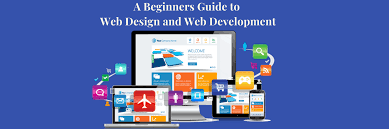
The Intersection of Web Design and Web Development
Web design and web development are two crucial components that work hand in hand to create stunning and functional websites. While they are distinct disciplines, they often overlap and complement each other to deliver exceptional online experiences.
Web Design: Aesthetics Meets Functionality
Web design focuses on the visual aspects of a website, such as layout, colour scheme, typography, and imagery. Designers aim to create an aesthetically pleasing interface that not only captures attention but also enhances user experience. They utilise tools like Adobe Photoshop, Sketch, or Figma to bring their creative vision to life.
Web Development: Building the Backbone
On the other hand, web development deals with the technical aspects of website creation. Developers use programming languages like HTML, CSS, and JavaScript to build the structure of a site and make it functional. They are responsible for ensuring that the website is responsive, fast-loading, and compatible across different devices and browsers.
The Collaboration
While web designers focus on aesthetics and user experience, web developers bring these designs to life through coding. Effective collaboration between designers and developers is essential for creating seamless websites that not only look great but also function flawlessly. Communication and teamwork play a vital role in bridging the gap between design creativity and technical implementation.
The Future of Web Design and Development
As technology continues to evolve, the boundaries between web design and web development are becoming increasingly blurred. With the rise of tools like WordPress, Wix, or Squarespace that offer drag-and-drop interfaces for building websites, individuals with no coding knowledge can create visually appealing sites.
However, this does not diminish the importance of skilled web designers and developers. Their expertise is invaluable in crafting custom solutions tailored to specific needs and ensuring optimal performance across various platforms.
8 Essential Tips for Effective Web Design and Development
- Ensure your website is responsive for various devices.
- Keep your design clean and uncluttered for easy navigation.
- Optimize images and videos to improve loading speed.
- Use consistent branding elements throughout the website.
- Implement intuitive user interface design for better user experience.
- Include clear call-to-action buttons to guide visitors on the site.
- Regularly update and maintain your website’s content for relevancy.
- Test your website across different browsers to ensure compatibility.
Ensure your website is responsive for various devices.
Ensuring that your website is responsive for various devices is a critical aspect of web design and development. With the increasing use of smartphones, tablets, and other devices to access the internet, it is essential that your site adapts seamlessly to different screen sizes and resolutions. A responsive design not only enhances user experience by providing optimal viewing and interaction across devices but also boosts your site’s SEO performance. By prioritising responsiveness in your web design strategy, you can reach a wider audience and deliver a consistent brand experience regardless of the device being used.
Keep your design clean and uncluttered for easy navigation.
When it comes to web design and development, a key tip is to keep your design clean and uncluttered to facilitate easy navigation for users. By maintaining a minimalist approach with ample white space, clear typography, and intuitive layout, you can enhance the user experience and make it effortless for visitors to find what they are looking for on your website. A clutter-free design not only improves aesthetics but also contributes to better usability, ensuring that users can navigate smoothly through the site and access information quickly.
Optimize images and videos to improve loading speed.
Optimising images and videos is a crucial tip in web design and web development to enhance loading speed. Large media files can significantly slow down a website’s performance, leading to a poor user experience. By compressing images and videos without compromising quality, designers and developers can ensure that content loads quickly and efficiently. This optimisation not only improves site speed but also contributes to better SEO rankings, as search engines favour fast-loading websites. Prioritising image and video optimisation is essential for creating a seamless browsing experience for users across various devices.
Use consistent branding elements throughout the website.
In web design and web development, a crucial tip is to maintain consistency in branding elements across the entire website. By using the same colours, fonts, logos, and design styles throughout different pages, users can easily recognise and associate these elements with your brand. Consistent branding not only enhances brand recognition but also creates a cohesive and professional look that reinforces your brand identity. This approach helps to establish trust with visitors and ensures a seamless user experience as they navigate through the site.
Implement intuitive user interface design for better user experience.
Implementing intuitive user interface design is a fundamental tip in web design and web development to enhance the overall user experience. By creating interfaces that are easy to navigate, visually appealing, and user-friendly, you can ensure that visitors to your website have a seamless and enjoyable interaction. Intuitive design elements such as clear navigation menus, consistent layout, and interactive features not only improve usability but also encourage users to engage with your content more effectively. Prioritising intuitive user interface design can lead to higher user satisfaction, increased retention rates, and ultimately contribute to the success of your website or web application.
Include clear call-to-action buttons to guide visitors on the site.
Clear call-to-action buttons are essential elements in web design and web development to guide visitors effectively through a website. These buttons serve as signposts, directing users towards specific actions such as making a purchase, signing up for a newsletter, or contacting the business. By strategically placing prominent and easily identifiable call-to-action buttons, designers and developers can enhance user engagement and conversion rates. Visitors are more likely to take the desired action when it is clearly presented to them, creating a seamless and intuitive browsing experience that ultimately benefits both the user and the website owner.
Regularly update and maintain your website’s content for relevancy.
Regularly updating and maintaining your website’s content is essential to ensure its relevancy and effectiveness. By keeping information current and engaging, you can attract and retain visitors, improve search engine rankings, and reflect the latest trends in your industry. Fresh content not only enhances user experience but also demonstrates your commitment to providing valuable resources. Consistent updates show that your website is active and reliable, instilling trust in your audience and reinforcing your brand’s credibility.
Test your website across different browsers to ensure compatibility.
It is essential to test your website across various browsers to guarantee compatibility and consistent performance for all users. Different browsers interpret code differently, which can lead to discrepancies in how your site is displayed and functions. By conducting thorough cross-browser testing, you can identify and address any issues early on, ensuring that your website delivers a seamless experience regardless of the browser being used. Prioritising compatibility testing helps you reach a wider audience and enhances user satisfaction by providing a consistent experience across different browsing platforms.