
The Power of Search Engine Optimization in Internet Marketing
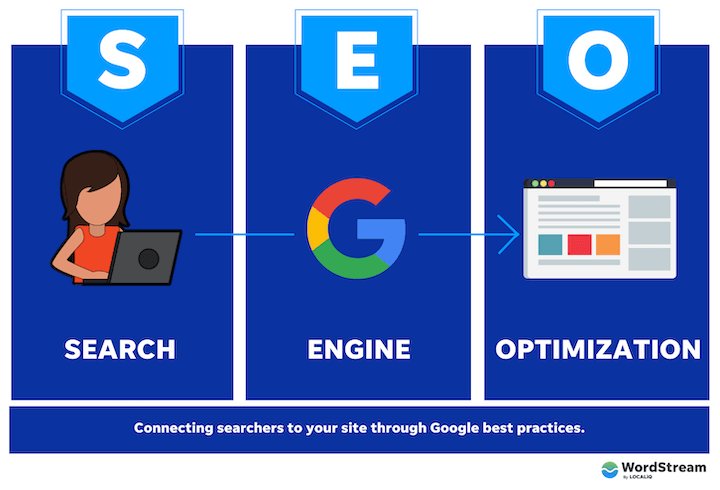
Search Engine Optimization (SEO) is a crucial component of any successful internet marketing strategy. In today’s digital age, where online visibility is key to business growth, SEO plays a vital role in driving organic traffic to websites and improving search engine rankings.
Key Benefits of SEO in Internet Marketing:
- Increased Visibility: By optimising your website for search engines, you increase the chances of your site appearing on the first page of search results, making it more visible to potential customers.
- Targeted Traffic: SEO helps attract relevant visitors who are actively searching for products or services that your business offers, increasing the likelihood of conversions.
- Improved User Experience: Optimising your website for SEO involves creating a seamless user experience by focusing on site speed, mobile responsiveness, and relevant content.
- Cost-Effective Marketing: Compared to traditional advertising methods, SEO is a cost-effective way to reach a larger audience and drive long-term results.
- Better Brand Credibility: Websites that rank higher in search engine results are perceived as more trustworthy and credible by users, enhancing brand reputation.
Effective SEO Strategies for Internet Marketing Success:
To maximise the benefits of SEO in internet marketing, businesses should focus on implementing the following strategies:
- Keyword Research: Identify relevant keywords that align with your business offerings and target audience to improve search engine rankings.
- On-Page Optimisation: Optimise meta tags, headings, content, and images on your website to enhance visibility and user experience.
- Quality Content Creation: Produce high-quality and engaging content that resonates with your target audience and encourages organic sharing and backlinks.
- Link Building: Develop a strong backlink profile by acquiring quality inbound links from reputable websites to boost credibility and authority.
- Maintain Technical SEO: Regularly audit your website for technical issues such as broken links, site speed optimisation, and mobile-friendliness to ensure optimal performance.
In conclusion, incorporating effective SEO strategies into your internet marketing efforts can significantly impact your online presence and lead to sustainable business growth. By prioritising SEO best practices and staying abreast of industry trends, businesses can position themselves for success in the competitive digital landscape.
Top 7 SEO Tips for Effective Internet Marketing Success
- Research and use relevant keywords in your website content
- Optimize your meta tags including title, description, and headers
- Create high-quality and engaging content for your audience
- Improve website loading speed for better user experience
- Build quality backlinks from reputable websites to increase authority
- Utilize social media platforms to promote your content and engage with users
- Regularly monitor and analyse website performance using tools like Google Analytics
Research and use relevant keywords in your website content
Researching and incorporating relevant keywords into your website content is a fundamental aspect of effective search engine optimization in internet marketing. By identifying and strategically using keywords that align with your business offerings and target audience’s search queries, you can enhance your website’s visibility and attract organic traffic. Utilising these keywords in your content not only improves search engine rankings but also ensures that your website is more likely to be discovered by users actively seeking the products or services you provide. This practice not only boosts your online presence but also helps establish credibility and authority in your industry, ultimately driving meaningful engagement and conversions.
Optimize your meta tags including title, description, and headers
Optimising your meta tags, which include the title, description, and headers of your web pages, is a fundamental aspect of effective search engine optimization in internet marketing. By crafting compelling and relevant meta tags, you enhance the visibility of your website in search engine results pages. The title tag serves as a concise summary of your page content, while the meta description provides a brief overview to entice users to click through. Additionally, using headers (H1, H2, etc.) with targeted keywords can improve the structure and readability of your content for both users and search engines. Investing time in optimising these meta tags can significantly impact your website’s ranking and click-through rates.
Create high-quality and engaging content for your audience
Creating high-quality and engaging content tailored to your target audience is a fundamental tip in search engine optimization for internet marketing. By producing content that is informative, relevant, and captivating, businesses can attract and retain the interest of their online visitors. Not only does compelling content enhance user experience and encourage longer site visits, but it also increases the likelihood of organic sharing and backlinking, which are crucial factors in improving search engine rankings. Ultimately, prioritising the creation of valuable content that resonates with your audience can establish credibility, drive traffic, and contribute to long-term success in the digital landscape.
Improve website loading speed for better user experience
Improving website loading speed is a fundamental tip in search engine optimization for internet marketing. A fast-loading website not only enhances user experience but also plays a crucial role in boosting search engine rankings. Users expect websites to load quickly, and a delay of just a few seconds can lead to high bounce rates and decreased engagement. By optimising website loading speed through techniques such as image compression, minifying code, and leveraging browser caching, businesses can provide visitors with a seamless browsing experience while positively impacting their SEO efforts.
Build quality backlinks from reputable websites to increase authority
Building quality backlinks from reputable websites is a fundamental strategy in search engine optimization for internet marketing. By establishing links from trusted and authoritative sources, a website can enhance its own credibility and authority in the eyes of search engines. These backlinks act as endorsements, signalling to search algorithms that the content is valuable and deserving of higher rankings. As a result, businesses can improve their visibility in search results and attract more organic traffic, ultimately contributing to the success of their online marketing efforts.
Utilize social media platforms to promote your content and engage with users
In the realm of search engine optimization and internet marketing, a valuable tip is to harness the power of social media platforms to amplify your content reach and foster meaningful interactions with users. By strategically utilising platforms such as Facebook, Twitter, Instagram, and LinkedIn, businesses can not only promote their content to a wider audience but also engage with users in real-time conversations, gather feedback, and build a loyal community around their brand. Social media serves as a dynamic channel to drive traffic to your website, improve brand visibility, and enhance overall SEO efforts by generating social signals that search engines value. By incorporating social media into your marketing strategy, you can create a vibrant online presence that resonates with your target audience and boosts your search engine rankings.
Regularly monitor and analyse website performance using tools like Google Analytics
Regularly monitoring and analysing website performance using tools like Google Analytics is a fundamental aspect of successful search engine optimization in internet marketing. By utilising such tools, businesses can gain valuable insights into user behaviour, traffic sources, and key performance metrics. This data allows for informed decision-making and the ability to identify areas for improvement, such as refining keyword strategies, enhancing user experience, and optimising content. Continuous monitoring ensures that SEO efforts are effective and aligned with business objectives, ultimately leading to improved search engine rankings and increased organic traffic.