
Website Development: Building a Website That Works
A website is often the first place people go to learn about a business, compare services or make a purchase. Effective website development brings together design, technology and useful content to create an online experience that is clear, reliable and easy to use.
What Is Website Development?
Website development is the process of planning, building and maintaining a website. It can include creating page layouts, writing code, setting up a content management system, connecting online services and making sure the site works across different devices and browsers.
Development is closely connected to web design, but the two are not quite the same. Design focuses on how a website looks and feels; development turns those ideas into working pages and features. The best results come when both are considered from the start.
Start with Clear Goals
Before development begins, decide what the website needs to achieve. A business website might aim to generate enquiries, explain a service or provide essential contact details. An online shop may need product listings, a straightforward checkout and secure payment options.
Clear goals help guide decisions about the site’s structure, content and functionality. They also make it easier to assess whether the finished website is meeting its purpose.
Plan the Structure and Content
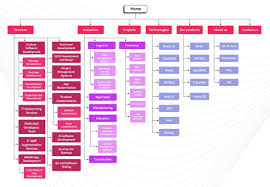
A well-organised website helps visitors find what they need without unnecessary effort. Start by identifying the main pages, such as the home page, about page, services or products, frequently asked questions and contact page. The exact structure should reflect the needs of the audience, rather than simply following a template.
Content matters just as much as layout. Use clear headings, concise paragraphs and helpful calls to action. Explain what the organisation offers and make the next step obvious, whether that is getting in touch, booking a service or making a purchase.
Design for Every Device
People browse the web on phones, tablets, laptops and desktop computers. Responsive development allows a website to adapt to different screen sizes, so text remains readable, navigation stays usable and important features are easy to access.
Good accessibility should also be part of the process. Sufficient colour contrast, descriptive link text, keyboard-friendly navigation and alternative text for meaningful images can make a site easier to use for more people.
Choose the Right Technology
The right platform depends on the website’s purpose, required features and plans for future growth. A content management system can make it easier to update pages without editing code. A custom-built solution may be suitable when a project requires specialised functionality or a more tailored user experience.
Whatever the technology, the website should be secure, maintainable and appropriate for the people who will manage it. Avoid adding features simply because they are available: unnecessary complexity can make a site harder to use and maintain.
Build for Performance and Search
Visitors expect pages to load promptly. Optimised images, efficient code and reliable hosting can all help improve performance. A faster, more stable website offers a better experience and makes it easier for people to complete the task they came to do.
Search engine optimisation should be considered during development, not left until the end. Use descriptive page titles, logical headings, useful page content and search-friendly URLs. A clear site structure helps both visitors and search engines understand how the pages relate to one another.
Test Before Launch
Testing helps uncover problems before they affect visitors. Check the website on common browsers and screen sizes, test forms and links, and review each page for spelling and accessibility issues. If the site includes payments, bookings or account features, test those journeys carefully too.
It is also worth checking that analytics and any other required tools are configured correctly. A considered launch is more than publishing the pages: it means confirming that the site works as intended.
Keep the Website Up to Date
Website development does not end at launch. Software updates, security checks, backups and content reviews help keep a site dependable over time. Regularly reviewing visitor behaviour can also reveal opportunities to improve navigation, content or conversion paths.
A successful website is built around its audience and maintained with care. With clear goals, thoughtful planning and ongoing attention, website development can create a useful digital home that supports an organisation’s needs today and adapts as they change.
Key Benefits of Website Development: Enhancing Online Presence and Supporting Business Growth
- Creates a strong online presence.
- Works across mobile and desktop devices.
- Makes information easy to find.
- Builds trust with visitors.
- Supports business growth.
- Improves accessibility for more users.
- Helps attract search traffic.
- Can be updated as needs change.
Seven Challenges to Consider in Website Development
- Development can be costly.
- Projects may take longer than expected.
- Regular maintenance is essential.
- Security risks require ongoing attention.
- Poor planning can cause rework.
- Compatibility testing takes time.
- Updates may disrupt website features.
Creates a strong online presence.
Website development helps create a strong online presence by giving a business a professional, accessible place to showcase its products, services and values. A well-designed website can make a positive first impression, help customers find reliable information and build trust in the brand. It is also available around the clock, allowing people to discover and engage with the business whenever it suits them.
Works across mobile and desktop devices.
A well-developed website works smoothly across mobile phones, tablets and desktop computers. Responsive layouts adjust to different screen sizes, keeping content readable and navigation easy to use wherever visitors choose to browse. This helps create a consistent experience and ensures people can access your website on the device that suits them best.
Makes information easy to find.
A well-developed website makes information easy to find by organising content into clear sections and using straightforward navigation. Visitors can quickly locate key details, such as services, opening hours or contact information, without having to search through cluttered pages. This saves time, improves the user experience and helps people feel confident about taking the next step.
Builds trust with visitors.
A professionally developed website helps build trust by making a strong first impression and giving visitors a clear, consistent experience. Easy navigation, accurate information, secure features and a design that works well on mobiles all signal that a business is reliable and attentive to its customers. When people can quickly find what they need and feel confident using the site, they are more likely to engage with the business.
Supports business growth.
Website development supports business growth by giving a business a platform to reach more people, showcase its products or services and generate new enquiries or sales. A well-built website can make it easier for customers to find information, get in touch and take the next step, while features such as online booking and e-commerce can help a business serve more customers efficiently. As the business grows, the website can also be updated with new content and functionality to support its changing needs.
Improves accessibility for more users.
Website development can make online information and services more accessible to a wider range of people. Features such as clear navigation, readable text, strong colour contrast, captions, image descriptions and keyboard-friendly controls can help users with different abilities and access needs. Designing with accessibility in mind also tends to make a website easier for everyone to use, whatever their device or circumstances.
Helps attract search traffic.
Well-planned website development can help attract search traffic by making pages easy for search engines to understand and index. Clear site structure, mobile-friendly design, fast loading times and useful, relevant content all contribute to a better experience for visitors and can support stronger visibility in search results. This makes it easier for people looking for your products, services or expertise to discover your website.
Can be updated as needs change.
One of the key advantages of website development is that a website can be updated as needs change. New services, products, information and features can be added over time, while outdated content can be revised or removed. This flexibility helps a website stay relevant to its audience and continue supporting the organisation as it grows.
Development can be costly.
One potential drawback of website development is the cost. Creating a professional website can require investment in design, development, hosting, security and ongoing maintenance. More complex features, such as online payments or bespoke integrations, may increase the budget further. Planning requirements carefully and agreeing costs in advance can help keep the project within budget.
Projects may take longer than expected.
Website development projects may take longer than expected. Changes to requirements, technical challenges, delays in receiving content or feedback, and extra testing can all affect the original schedule. Agreeing clear priorities and milestones at the outset—and keeping communication open throughout the project—can help manage delays, although some flexibility may still be needed to ensure the finished website meets its goals.
Regular maintenance is essential.
One drawback of website development is that a website needs regular maintenance after launch. Software and security updates, backups, bug fixes and content changes all take time and may involve ongoing costs. Without proper upkeep, a site can become outdated, unreliable or vulnerable to security issues, so maintenance should be included in the website plan from the outset.
Security risks require ongoing attention.
Security risks require ongoing attention throughout a website’s life. Software, plugins and server systems can develop vulnerabilities, while weak passwords or outdated components may leave the site exposed to attacks. Regular updates, secure backups, access controls and monitoring help reduce these risks, but they require time and ongoing maintenance. Without consistent attention, a security issue could compromise data, disrupt the website and damage visitors’ trust.
Poor planning can cause rework.
Poor planning can lead to costly rework during website development. If the project’s goals, audience, content and technical requirements are not agreed early on, important decisions may need to be revisited once the site is already being built. This can mean redesigning pages, changing features or rewriting content, adding time and expense to the project. A clear plan helps everyone understand what needs to be delivered and reduces the risk of avoidable changes later.
Compatibility testing takes time.
Compatibility testing takes time because a website needs to be checked across different browsers, devices, screen sizes and operating systems. A page that works perfectly on one phone or browser may display incorrectly or behave differently elsewhere, so developers need to test key features in a range of environments and fix any issues they find. This extra work can extend the development process, but it helps ensure the site is reliable and easy to use for a wider audience.
Updates may disrupt website features.
Website updates are essential for improving security, fixing bugs and adding new features, but they can sometimes disrupt parts of a website. A software update may conflict with existing plugins, themes or custom code, causing features to behave unexpectedly or stop working altogether. Careful testing, regular backups and a planned maintenance schedule can reduce the risk and help resolve any issues quickly.