
PHP Web Design: Building Dynamic, Flexible Websites
PHP has been a popular technology for building websites for decades. It helps developers create pages that respond to visitors, display information from a database and support features such as user accounts, search and online forms. Although PHP works behind the scenes rather than controlling a site’s visual appearance, it plays an important part in turning a web design into a working website.
What is PHP web design?
PHP is a server-side programming language. When someone visits a PHP-powered page, the web server runs the relevant PHP code and sends the resulting content to the visitor’s browser. That content is often HTML, alongside CSS and JavaScript, which shape the layout and interactive elements people see.
In practice, “PHP web design” usually refers to building or maintaining a website whose features are powered by PHP. This may involve creating page templates, connecting to a database, processing form submissions or developing a content management system.
What can PHP do for a website?
PHP can support a wide range of functions, including:
- Dynamic pages: Display different content depending on the page, visitor or information stored in a database.
- Content management: Let authorised users publish and update pages, news and other content through an administration area.
- Forms and enquiries: Validate submitted information and pass it securely to the appropriate service or team.
- User accounts: Support registration, sign-in and member-only areas when implemented with suitable security measures.
- Online shops: Provide server-side functionality for products, orders and related processes, often alongside a dedicated e-commerce platform.
- Database integration: Retrieve and update information held in databases, such as product details or article content.
Why choose PHP?
One of PHP’s strengths is its broad support. It is available through many web-hosting providers and works with a wide range of databases and development tools. This can make it a practical option for organisations that want to build a new website or continue developing an existing PHP-based system.
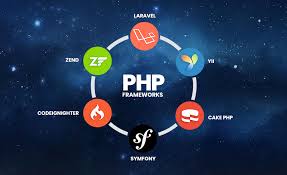
PHP also has a large ecosystem. Frameworks and content management systems can provide useful foundations, helping developers avoid rebuilding common features from scratch. WordPress, for example, is built using PHP, while frameworks such as Laravel can help organise larger custom applications.
As with any technology, PHP is not automatically the right choice for every project. The best solution depends on the website’s requirements, the team’s expertise, hosting arrangements and plans for future maintenance.
PHP and the visual design
PHP does not determine whether a website looks modern, accessible or easy to use. Those qualities depend on decisions about layout, typography, colour, content and interaction. Front-end technologies such as HTML, CSS and JavaScript are central to the experience in the browser, while PHP can supply and process the information behind it.
A successful PHP website brings these parts together. The design should make information easy to find, work well on mobile devices and provide clear ways for visitors to complete important tasks. The PHP code should support those goals without making the site unnecessarily complicated.
Good practices for PHP web development
Well-built PHP websites need careful attention to security, performance and maintainability. Good practice includes:
- Keeping PHP, frameworks, plugins and other dependencies up to date.
- Validating and sanitising user input, and using prepared statements when working with databases.
- Using secure password-handling methods and appropriate access controls.
- Displaying helpful error messages to users without exposing sensitive technical information.
- Testing pages and features across common browsers and screen sizes.
- Making regular backups and having a plan for updates and ongoing support.
- Writing clear, organised code so future changes are easier to make.
Security is not a one-off task. It requires ongoing updates, monitoring and sensible development choices throughout a website’s life.
Choosing the right approach
A straightforward brochure website may need only a small amount of server-side functionality, while a membership platform or bespoke web application may require more extensive PHP development. A content management system can be a good fit when staff need to update content regularly. A custom build may be more suitable when the project has specific processes that off-the-shelf tools cannot handle efficiently.
Before development begins, it is useful to define the site’s purpose, audience, essential features and maintenance requirements. This helps determine whether PHP is appropriate and which tools or platforms are best suited to the project.
Conclusion
PHP remains a versatile option for creating dynamic websites and web applications. It can power everything from content-managed sites to complex, database-driven services. The strongest results come from combining reliable PHP development with thoughtful visual design, accessible content and an ongoing plan for security and maintenance.
Top 8 Advantages of PHP in Web Design: From Versatility to Scalability
- Widely supported by web hosts
- Works well with databases
- Powers popular content management systems
- Offers frameworks for faster development
- Suitable for dynamic websites
- Backed by a large developer community
- Integrates with many third-party tools
- Can scale from simple sites to web applications
Challenges in PHP Web Design: Addressing Security, Maintenance, and Performance Concerns
- Security flaws can arise from outdated code or poor input validation.
- Complex PHP projects may require ongoing specialist maintenance.
- Performance can suffer without efficient code and suitable hosting.
Widely supported by web hosts
One advantage of PHP web design is its wide support among web-hosting providers. Many hosts include PHP as standard, so it is often straightforward to find a suitable hosting plan without needing specialist infrastructure. This broad availability can make deployment simpler and give website owners more choice when comparing providers, features and costs.
Works well with databases
PHP works well with databases, making it a practical choice for websites that need to store, retrieve or update information. It can connect to popular database systems such as MySQL and PostgreSQL, allowing developers to build features including searchable content, customer accounts, product catalogues and online booking forms. With secure coding practices, PHP can handle database interactions efficiently while keeping website content up to date.
Powers popular content management systems
One major advantage of PHP web design is that it powers popular content management systems, including WordPress. This gives businesses access to familiar tools for creating, editing and organising website content without needing to write code for every update. A wide choice of themes, plugins and developer support can also make it easier to add features and keep a site growing as needs change.
Offers frameworks for faster development
PHP offers a wide range of frameworks, such as Laravel and Symfony, that provide ready-made tools and reusable components for common development tasks. By handling features such as routing, database interactions and security, frameworks can reduce repetitive coding and help developers build websites more quickly and consistently. They also provide structure that makes projects easier to maintain and expand as requirements change.
Suitable for dynamic websites
PHP is well suited to dynamic websites because it can generate page content in response to information such as a visitor’s actions, account details or database records. This makes it possible to offer features such as regularly updated articles, product listings, personalised pages and interactive forms. By delivering relevant content when it is needed, PHP helps create websites that are more useful and engaging than static pages.
Backed by a large developer community
PHP benefits from a large, established developer community, making it easier to find documentation, tutorials, code libraries and practical answers to common challenges. This shared knowledge can help speed up development and make ongoing maintenance more straightforward. It also gives businesses access to a broad pool of PHP developers when they need support, updates or new features.
Integrates with many third-party tools
A key advantage of PHP web design is its ability to integrate with a wide range of third-party tools and services. From payment gateways and customer relationship management systems to analytics platforms, email services and content management tools, PHP can help connect a website with the software a business already uses. This flexibility makes it easier to add useful features, streamline everyday processes and adapt the site as requirements change.
Can scale from simple sites to web applications
One of the key advantages of PHP web design is its flexibility: it can power anything from a simple website to a feature-rich web application. A project can begin with essential pages and functionality, then grow over time with features such as user accounts, database integration, online payments or bespoke tools. This makes PHP a practical choice for businesses that want room to expand without having to rebuild their entire website as their needs change.
Security flaws can arise from outdated code or poor input validation.
A potential drawback of PHP web design is the risk of security flaws, particularly when a site relies on outdated code or fails to validate user input properly. These weaknesses can leave websites vulnerable to attacks, data breaches or unauthorised access. Keeping PHP and its supporting software up to date, and carefully checking data submitted through forms and other inputs, helps reduce these risks.
Complex PHP projects may require ongoing specialist maintenance.
Complex PHP projects can require ongoing specialist maintenance, particularly when they rely on custom code, frameworks or multiple third-party extensions. Updates, security fixes and compatibility changes need careful handling to keep the website reliable and secure. This can increase long-term costs and make it harder to manage the site without experienced PHP developers.
Performance can suffer without efficient code and suitable hosting.
PHP websites can become slow if the code is inefficient or the hosting environment is poorly suited to the site’s needs. Unoptimised database queries, unnecessary scripts and inadequate server resources can all increase loading times, making pages less responsive for visitors. Careful development, regular performance testing and reliable hosting can help keep a PHP website running smoothly.