
How to Build a Marketing Strategy for an Online Business
A successful online business needs more than a good website or a presence on social media. It needs a clear marketing strategy: a plan for reaching the right people, explaining the value of an offer and turning interest into lasting customer relationships.
Whether launching a new venture or looking to grow an established one, a structured approach can help make marketing more focused and effective. The following steps provide a practical starting point.
Set clear business goals
Begin by deciding what marketing needs to achieve. Broad aims such as “grow the business” are difficult to act on, so make goals specific and measurable. For example, an online retailer might aim to increase monthly sales by 15 per cent over six months, while a consultancy might focus on generating 20 qualified enquiries each month.
Choose a small number of priorities and set a timescale for each. Clear goals make it easier to select suitable marketing channels and assess whether the work is paying off.
Understand the target audience
Marketing works best when it addresses the needs, questions and motivations of a defined audience. Consider who is most likely to buy, what problem they want to solve and what might prevent them from making a purchase.
Useful sources of insight include customer interviews, website analytics, reviews, search data and feedback from sales or support conversations. Build a practical picture of your audience based on evidence rather than assumptions. This can guide everything from the topics covered in your content to the language used on product pages.
Define what makes the business distinctive
Potential customers need a clear reason to choose one business over another. Identify the benefits that matter most to your audience and explain what sets the offer apart. This might be specialist expertise, convenient delivery, a carefully selected product range, responsive service or a distinctive approach to solving a problem.
A strong value proposition should be easy to understand and supported by evidence. Customer testimonials, case studies, clear product information and transparent policies can help build trust.
Choose the right marketing channels
There is no need to use every available channel. Select the ones that suit the audience, the offer and the resources available. Common options include:
- Search engine optimisation (SEO): Helps relevant pages appear in organic search results over time.
- Paid search and social advertising: Can reach specific audiences quickly, provided campaigns are carefully targeted and measured.
- Content marketing: Articles, guides, videos and other useful resources can answer questions and build credibility.
- Email marketing: Gives the business a direct way to share updates, useful information and relevant offers with subscribers.
- Social media: Can support discovery, conversation and community-building when the chosen platforms match the audience.
- Partnerships and referrals: Recommendations from trusted businesses or customers can introduce the brand to new audiences.
Start with a manageable mix of channels and improve them consistently. A focused approach is usually more sustainable than spreading time and budget too thinly.
Make the website work harder
The website often sits at the centre of an online marketing strategy. It should explain what the business offers, who it is for and what visitors should do next. Pages need to load promptly, work well on mobile devices and make key information easy to find.
Use clear calls to action, such as “Buy now”, “Book a consultation” or “Request a quote”. Reduce unnecessary steps in the buying or enquiry process, and make delivery, pricing, returns and contact details easy to locate. A well-designed customer journey can help turn more visits into enquiries or sales.
Create useful, consistent content
Content should serve a purpose for both the audience and the business. It might answer common questions, compare options, demonstrate how a product works or help customers make an informed decision. A simple content plan can keep activity consistent without requiring constant last-minute ideas.
Prioritise accuracy, clarity and usefulness. Rather than publishing frequently for its own sake, create resources that reflect genuine customer needs and support the business’s goals.
Measure results and improve
Track a few meaningful measures linked to the goals set at the start. These might include sales, qualified leads, conversion rate, average order value, email sign-ups or the cost of acquiring a customer. Website visits and social engagement can provide context, but they do not always indicate commercial progress on their own.
Review performance regularly. If a channel is attracting the right people but not generating action, investigate the landing page, offer or next step. If a campaign is performing well, consider how it can be refined or expanded. Testing one change at a time can make it easier to understand what is influencing results.
Build trust and encourage repeat business
Marketing does not end when a customer makes a purchase. Prompt support, reliable delivery and clear communication all contribute to the overall experience. Follow-up emails, helpful guidance and relevant loyalty offers can encourage repeat purchases and recommendations.
Use customer data responsibly, obtain consent where required and make it easy for people to manage their preferences. Trust is an important part of long-term growth for any online business.
Conclusion
An effective marketing strategy connects business goals with a clear understanding of the audience. By communicating a distinctive value proposition, choosing suitable channels, improving the website and measuring meaningful results, an online business can make better use of its time and budget.
The strategy should evolve as customer needs and market conditions change. Regular reviews, careful testing and attention to the customer experience help keep marketing relevant and support sustainable growth.
Essential Marketing Strategies for Online Businesses: Top FAQs Answered
- What is the best marketing strategy for an online store?
- How do I market my business online?
- What are the 5 main marketing strategies?
- What is the best strategy for online marketing?
- What are the 4 types of marketing strategies?
- What is the best way to market your business online?
- What is online business strategies?
- What are the 4 main marketing strategies?
What is the best marketing strategy for an online store?
There is no single best marketing strategy for every online store; the right approach depends on its products, audience and budget. A strong starting point is to make the website easy to use and purchase from, then attract relevant visitors through search engine optimisation, useful content and carefully targeted advertising. Email marketing can help turn interested visitors into customers and encourage repeat purchases. Track results such as conversion rate, sales and customer acquisition cost, and use them to refine the strategy over time.
How do I market my business online?
To market your business online, start by identifying your target customers and what makes your offer valuable to them. Create a clear, mobile-friendly website with helpful information and an obvious next step, such as making a purchase or getting in touch. Then focus on the channels your audience uses, which may include search engine optimisation, useful content, social media, email marketing or paid advertising. Set a budget, track results such as enquiries and sales, and regularly refine your approach based on what works.
What are the 5 main marketing strategies?
The five main marketing strategies for an online business are content marketing, search engine optimisation (SEO), social media marketing, email marketing and paid advertising. Content marketing provides useful information that attracts and engages potential customers, while SEO helps the business appear in relevant search results. Social media supports brand awareness and customer interaction, email marketing nurtures relationships and encourages repeat business, and paid advertising can reach targeted audiences quickly. The right mix depends on the business’s goals, audience and budget.
What is the best strategy for online marketing?
The best online marketing strategy is one tailored to your business goals and target audience. Start by understanding where potential customers look for information and what they need, then focus on the channels most likely to reach them—such as search engine optimisation, useful content, email or paid advertising. Make sure your website offers a clear, easy route to purchase or enquiry, and measure results against meaningful goals. Review performance regularly and refine your approach based on what works.
What are the 4 types of marketing strategies?
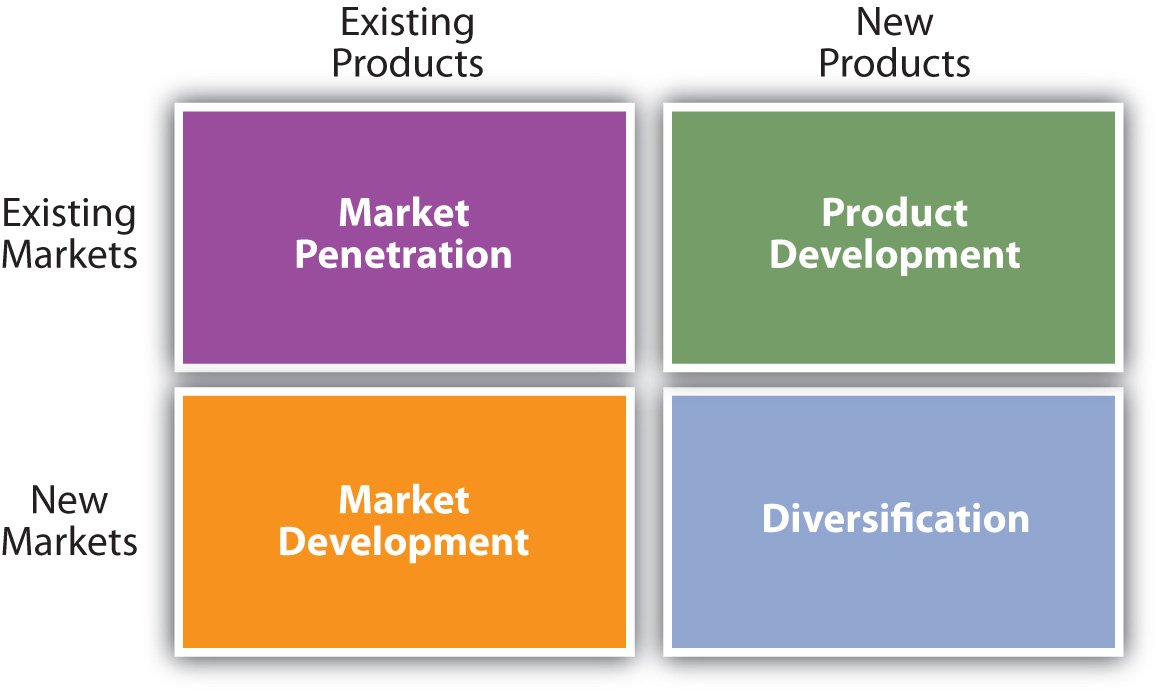
One widely used framework identifies four marketing strategies: market penetration, market development, product development and diversification. Market penetration aims to sell more existing products to current customers or within existing markets; market development takes existing products to new audiences or locations; product development introduces new or improved products to current markets; and diversification involves offering new products to new markets. The right approach depends on the business’s goals, resources and appetite for risk.
What is the best way to market your business online?
The best way to market an online business is to focus on the channels your target customers use and offer useful, consistent content that meets their needs. Start by defining your audience and goals, then choose a suitable mix of tactics, such as search engine optimisation, social media, email marketing or paid advertising. Make sure your website clearly explains your offer and makes it easy to take the next step, whether that is making a purchase or getting in touch. Track results against meaningful measures, such as sales or qualified enquiries, and refine your approach based on what works.
What is online business strategies?
Online business strategies are plans that help a business attract customers, sell products or services and grow through digital channels. They may include search engine optimisation, social media marketing, email campaigns, online advertising, content creation and improving the customer experience on a website. The right strategy depends on the business’s goals, audience and budget, and should be reviewed regularly to see what is working.
What are the 4 main marketing strategies?
The four main marketing strategies are often known as the “four Ps”: product, price, place and promotion. Product is the goods or services an online business offers and the needs they meet; price is what customers pay and how it compares with alternatives; place is where and how customers can find, buy and receive the offer; and promotion covers the ways the business raises awareness and encourages sales, such as search engine marketing, social media, email and advertising. Together, these elements help create a consistent strategy for reaching the right audience and turning interest into purchases.