
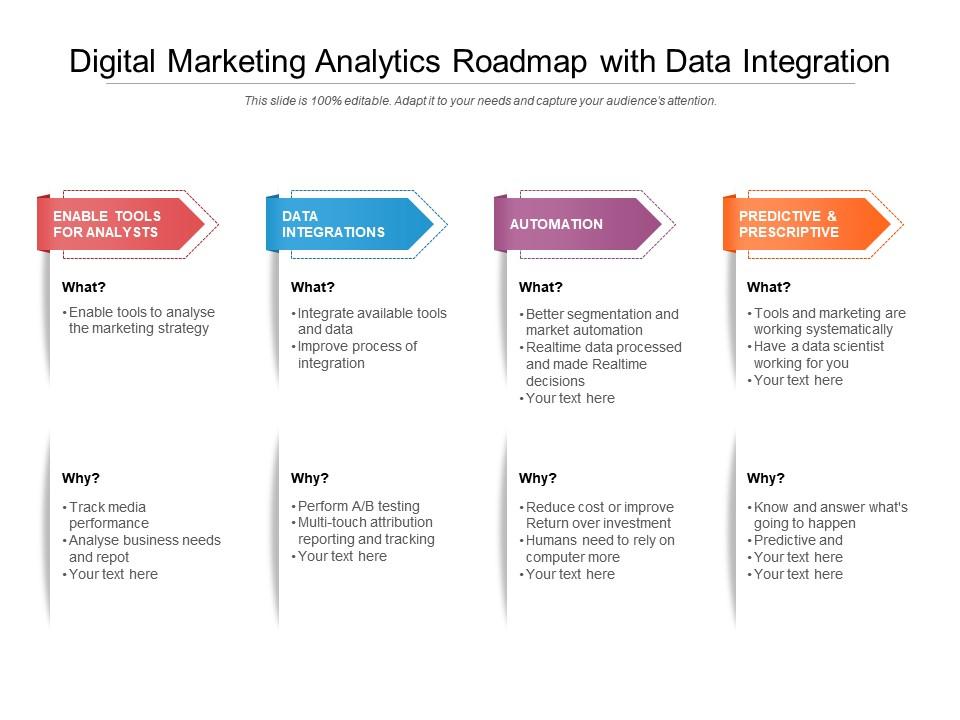
Digital Marketing and Analytics: Turning Insight into Action
Digital marketing gives organisations many ways to reach and engage their audiences, from search engines and social media to email and online advertising. But running campaigns is only part of the picture. To understand what is working—and what should change—businesses need reliable analytics.
Digital marketing analytics is the process of collecting and interpreting data about online activity. Used well, it helps organisations make informed decisions, improve customer experiences and invest their marketing budgets more effectively.
What can digital marketing analytics reveal?
Analytics can show how people discover a business, which content attracts their attention and what they do next. Depending on the tools used, organisations may be able to measure:
- Website traffic: how many people visit, where they come from and which pages they view.
- Engagement: how audiences interact with content, emails and social media posts.
- Conversions: actions such as making a purchase, completing a form or signing up to a newsletter.
- Campaign performance: the results generated by particular advertisements, channels or messages.
- Customer retention: whether people return, make repeat purchases or continue engaging over time.
These measurements can help answer practical questions. Is a campaign reaching the intended audience? Are visitors finding the information they need? Which channels contribute to enquiries or sales? Data does not make decisions by itself, but it can give teams a stronger basis for making them.
Choose metrics that support your goals
A common mistake is to focus on numbers that look impressive but do not reflect business objectives. A large number of social media followers, for example, may not indicate whether a campaign is generating qualified leads or building lasting customer relationships.
Start by defining the outcome a marketing activity is intended to achieve. If the goal is to increase online sales, relevant measures might include conversion rate, average order value and revenue from different channels. If the aim is to build awareness, reach and relevant brand searches may be more useful. Clear goals make it easier to select meaningful key performance indicators (KPIs).
Understand the customer journey
People often interact with a business several times before taking action. They might first encounter a brand through a search result, read a blog article later and eventually respond to an email. Looking at only the final interaction can give an incomplete picture of how marketing contributed to the outcome.
Attribution methods help marketers examine the role of different touchpoints. However, no attribution model tells the whole story. Tracking can be affected by device changes, privacy settings, consent choices and gaps between online and offline activity. Treat attribution as a useful guide rather than a perfect record of every customer decision.
Use testing to improve performance
Analytics is most valuable when it leads to action. Teams can use controlled tests to compare different headlines, page layouts, calls to action or audience segments. By changing one important element at a time and measuring the results, they can learn what works better for a particular audience.
Not every change will produce a clear improvement. Results may be affected by small sample sizes, seasonal patterns or other factors. Allow tests enough time to gather useful data, and avoid drawing firm conclusions from short-term fluctuations.
Build trust through responsible data use
Good analytics depends on good data practices. Organisations should collect only the information they need, explain how it will be used and handle it securely. In the UK, marketing and tracking activities must take account of applicable data protection and privacy rules, including requirements around cookies and consent.
Respecting people’s choices is not simply a compliance issue. Clear communication and responsible data use can help build trust, while poor practices may damage a brand’s reputation and reduce the quality of its insights.
Make analytics part of everyday marketing
Digital marketing analytics works best as an ongoing process: set a goal, choose relevant measures, collect and review data, then use the findings to improve the next activity. Regular reporting can help teams spot trends, share learning and identify areas that need attention.
The aim is not to measure everything. It is to focus on the evidence that helps an organisation understand its audience and make better decisions. When thoughtful strategy is combined with reliable analytics, digital marketing becomes more targeted, accountable and responsive to change.
Essential FAQs on Digital Marketing and Analytics: Understanding Strategies, Channels, Metrics, and Tools
- What is digital marketing and how does it work?
- Which digital marketing channels should my business use?
- What is digital marketing analytics?
- Which metrics should I track to measure digital marketing performance?
- How can I measure the return on investment (ROI) of a digital marketing campaign?
- Which tools can I use to analyse digital marketing performance?
- How can I use analytics to improve my digital marketing strategy?
What is digital marketing and how does it work?
Digital marketing is the promotion of products, services or brands through online channels such as search engines, websites, social media, email and digital advertising. It works by helping organisations reach specific audiences with relevant content and messages, then encouraging them to take an action, such as visiting a website, making an enquiry or completing a purchase. Analytics tools measure how people interact with campaigns, showing what is effective and where improvements may be needed. This insight helps businesses refine their marketing and make better use of their budgets.
Which digital marketing channels should my business use?
The right digital marketing channels depend on your audience, goals and budget. Search engine optimisation and paid search can help you reach people actively looking for your products or services, while social media can build awareness and foster community. Email is useful for nurturing relationships with existing customers, and content marketing can demonstrate your expertise over time. Start with the channels your audience uses and choose measures that match your goals; test a manageable mix, review the results and invest more in what works.
What is digital marketing analytics?
Digital marketing analytics is the process of collecting and interpreting data from online marketing activity to understand how people discover and interact with a business. It can track performance across channels such as websites, search engines, social media, email and online advertising, helping organisations see what is working, where improvements are needed and whether campaigns are meeting their goals.
Which metrics should I track to measure digital marketing performance?
The right metrics depend on your marketing goals, so start by deciding what success looks like. To measure awareness, track reach, impressions and relevant website visits; for engagement, look at click-through rates, time on page and social interactions; and for lead generation or sales, monitor conversion rates, cost per lead, customer acquisition cost and return on marketing investment. It can also be useful to track retention and repeat purchases. Focus on a small set of meaningful metrics, compare results over time and across channels, and avoid relying on “vanity metrics” that do not connect to your business objectives.
How can I measure the return on investment (ROI) of a digital marketing campaign?
To measure the return on investment (ROI) of a digital marketing campaign, compare the revenue it generates with its total costs. Subtract campaign costs—including advertising spend, agency fees, creative work and tools—from the revenue attributable to the campaign, then divide the result by those costs and multiply by 100 to express ROI as a percentage. For example, a campaign that costs £1,000 and generates £3,000 in revenue has an ROI of 200%. Use tracking links, conversion tracking and analytics tools to identify campaign-driven sales or leads, and agree how to value those outcomes before launch. Since customers may interact with several channels before converting, treat attribution figures as estimates and consider longer-term value, such as repeat purchases, alongside immediate revenue.
Which tools can I use to analyse digital marketing performance?
You can analyse digital marketing performance with tools such as Google Analytics 4 for website traffic and conversions, Google Search Console for organic search visibility, and the built-in insights provided by platforms such as Meta, LinkedIn and TikTok. Email and advertising services also offer reports on opens, clicks, reach and campaign results, while customer relationship management (CRM) systems can help connect marketing activity with leads and sales. Choose tools that match your goals, check that they work together where possible, and make sure data is collected and used in line with UK privacy and consent requirements.
How can I use analytics to improve my digital marketing strategy?
Use analytics to understand how people find and interact with your business, then compare those insights with your marketing goals. Track relevant measures such as website visits, engagement, conversions and cost per lead, and identify which channels and content are delivering the strongest results. Use what you learn to refine your audience targeting, messaging and budget, and test changes—such as different headlines or landing pages—to see what works best. Review performance regularly, while respecting privacy and consent requirements, so your strategy can adapt as audience behaviour changes.