
Paid Media Marketing: A Practical Guide
Paid media marketing is the use of paid advertising to promote a brand, product or service. It can help businesses reach new audiences, attract potential customers and support sales across digital channels. Unlike owned media, such as a company website, paid media involves paying a platform or publisher to display content to a chosen audience.
From search adverts to sponsored social posts, paid media offers businesses ways to reach people at different stages of the customer journey. The key is to choose the right channels, set clear goals and use the results to improve each campaign.
What counts as paid media?
Paid media includes any promotional placement a business pays for. Common examples include:
- Search advertising: Sponsored listings shown on search engine results pages.
- Social media advertising: Paid posts, video adverts and other placements on social platforms.
- Display advertising: Banner and image adverts shown on websites and apps.
- Video advertising: Adverts that appear before, during or alongside online video content.
- Sponsored content: Paid articles, recommendations or other content hosted by a publisher or platform.
- Retail media: Sponsored product listings and other advertising on retail websites and marketplaces.
How paid media works
Many digital advertising platforms use an auction system. An advertiser sets a budget and chooses who they want to reach, where adverts should appear and, in some cases, how much they are willing to pay for a click, impression or action. The platform then decides which adverts to show, based on factors such as the bid, relevance and expected performance.
Advertisers can often target audiences by location, interests, search terms, demographics or previous interactions with a website. Targeting options vary by platform and are subject to privacy rules and user settings. Strong campaigns combine relevant targeting with useful, engaging creative rather than relying on audience data alone.
Why businesses use paid media
- Reach: Paid placements can introduce a business to people who may not yet know the brand.
- Control: Campaigns can be planned around specific audiences, locations, timings and budgets.
- Speed: Adverts can begin appearing soon after a campaign is approved, although results depend on the channel and set-up.
- Measurability: Platforms provide data on delivery and engagement, while analytics tools can help assess activity on a website or app.
- Flexibility: Campaigns can be tested and adjusted as performance data comes in.
Building an effective paid media strategy
Set a clear objective
Start by deciding what the campaign needs to achieve. Objectives might include raising awareness, generating leads, encouraging online purchases or increasing visits to a particular page. A clear goal helps determine which channels and measures are appropriate.
Understand the audience
Consider who the campaign is for, what they need and how they make decisions. Audience research can help shape the message, creative approach and choice of channel. Avoid making assumptions based on broad demographic categories alone.
Choose suitable channels
Different channels serve different purposes. Search advertising can connect with people actively looking for a product or service, while social and video campaigns can help build awareness or introduce an offer. Choose platforms based on audience behaviour, campaign objectives and available resources—not simply because a channel is popular.
Create relevant adverts and landing pages
The advert should make a clear, credible promise and explain what the audience should do next. The landing page should continue the same message, load reliably and make the next step straightforward. A mismatch between an advert and its destination can waste budget and weaken trust.
Set budgets and define success
Decide how much the business can spend and what results would make the campaign worthwhile. Useful measures may include reach, clicks, qualified leads, sales or cost per acquisition. The right metric depends on the objective; a high number of clicks, for example, does not necessarily mean a campaign is generating valuable customers.
Test, learn and improve
Testing different headlines, images, audiences or landing pages can reveal what works best. Change a limited number of elements at a time where possible, and allow enough time and data to make a meaningful comparison. Use the findings to refine the campaign rather than treating the first version as final.
Measuring performance
Paid media reporting should connect advertising activity with business outcomes. Common metrics include:
- Impressions: The number of times an advert is displayed.
- Click-through rate: The proportion of impressions that result in a click.
- Conversion rate: The proportion of users who complete a chosen action.
- Cost per click: The average amount paid for each click.
- Cost per acquisition: The cost of generating a customer or other defined conversion.
- Return on advertising spend: The revenue attributed to advertising compared with the amount spent.
These figures should be interpreted in context. Attribution can be complex: a customer may see an advert, visit a website later and complete a purchase through another channel. Tracking should be configured carefully, and reports should make clear what is being measured and what assumptions are involved.
Common challenges to avoid
- Unclear goals: Without a defined objective, it is difficult to assess whether a campaign is successful.
- Overly broad targeting: Reaching more people is not useful if they are unlikely to be interested.
- Weak landing pages: Poor page experiences can undermine even well-targeted adverts.
- Ignoring the full customer journey: Last-click reporting may overlook the contribution of earlier interactions.
- Set-and-forget campaigns: Performance can change, so campaigns need regular review and sensible optimisation.
- Inadequate measurement: Missing or inaccurate tracking makes it harder to understand results.
Privacy and responsible advertising
Paid media campaigns should respect privacy, follow applicable advertising and data protection requirements, and use platform targeting tools responsibly. Businesses should be transparent about data collection and ensure that tracking and consent practices are appropriate for their activities. Advertising claims should also be accurate, clear and supported by evidence.
Making paid media work for your business
Paid media is most effective when it supports a broader marketing plan. It can complement organic search, public relations, email marketing and other channels, helping a business reach its audience at different moments. With clear objectives, relevant creative, careful measurement and ongoing testing, paid media can become a useful and accountable part of long-term growth.
Understanding Paid Media Marketing: Key Questions and Insights
- What is paid media marketing?
- What are the main types of paid media?
- How much should a business spend on paid media marketing?
- How do you measure the success of a paid media campaign?
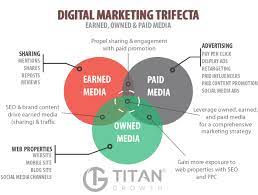
- What is the difference between paid, owned and earned media?
What is paid media marketing?
Paid media marketing is the promotion of a business, product or service through advertising placements that the business pays for. These can include search engine adverts, sponsored social media posts, display banners, online video adverts and sponsored listings on retail websites. Businesses use paid media to reach selected audiences, raise awareness, attract website visits or encourage actions such as enquiries and purchases. Campaigns can be measured and adjusted using results such as impressions, clicks, leads and sales.
What are the main types of paid media?
The main types of paid media include search adverts, which appear in search engine results; social media adverts on platforms such as Instagram, LinkedIn and TikTok; display adverts, such as banners on websites and apps; and video adverts shown on streaming services or social platforms. Other common formats include sponsored or native content, paid listings on retail websites, and audio adverts on digital radio and podcast platforms. The best mix depends on your audience, objectives and budget.
How much should a business spend on paid media marketing?
There’s no one-size-fits-all budget for paid media marketing. The right amount depends on your business goals, target audience, industry, chosen channels and the return you expect. Start with an affordable test budget, set clear success measures—such as qualified leads or sales—and track results before increasing spend. Make sure your budget covers not only advertising costs but also creative, campaign management and measurement. Review performance regularly and invest more in campaigns that deliver sustainable value.
How do you measure the success of a paid media campaign?
The success of a paid media campaign is measured against its objectives, such as increasing brand awareness, generating leads or driving sales. Relevant metrics may include reach and impressions, click-through rate, conversions, cost per acquisition and return on advertising spend. Compare results with your targets and overall budget, and use reliable tracking to understand how adverts contribute to customer actions. Reviewing performance regularly helps identify what is working and where campaigns can be improved.
What is the difference between paid, owned and earned media?
Paid media is content or advertising a business pays to place, such as search adverts, sponsored social posts or display ads. Owned media is content and channels the business controls, including its website, blog, email newsletters and social media profiles. Earned media is exposure gained through others, such as press coverage, reviews, recommendations or people sharing content organically. The three often work best together: paid media can help people discover a brand, owned media gives them somewhere to learn more, and earned media can strengthen awareness and trust.