
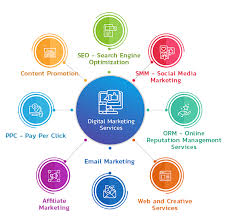
SEM in Digital Marketing: A Practical Guide
Search engine marketing (SEM) helps businesses reach people who are looking for information, products or services online. By increasing a brand’s visibility on search engine results pages, SEM can attract relevant visitors and support goals such as generating enquiries, making sales or building awareness.
What does SEM mean?
SEM is commonly used to describe paid advertising on search engines. Advertisers bid to show ads for particular search terms, and typically pay when someone clicks an ad. This approach is often called pay-per-click advertising, or PPC.
The terminology can vary. Some people use SEM as a broader term for both paid search advertising and search engine optimisation (SEO). SEO focuses on improving a website’s unpaid, or organic, visibility, while paid search uses advertising budgets to secure sponsored placements. In practice, the two can work well together.
How paid search works
Advertisers choose keywords that relate to their products or services, then create ads and set bids. When someone searches for a relevant term, the search engine runs an auction to decide which ads may appear and in what order. The result is influenced not only by the bid, but also by factors such as ad relevance, expected click-through rate and the quality of the landing page.
This means that simply bidding more is not always the best route to better results. Relevant ads and useful landing pages can help campaigns perform more effectively.
Why SEM matters
- Reach people with intent: Search campaigns can connect with users who are actively looking for a solution.
- Gain visibility quickly: Unlike SEO, which can take time to build momentum, paid search can begin showing ads soon after a campaign is approved.
- Control spending: Campaigns can be set up with budgets, bids and targeting rules to manage costs.
- Measure performance: Clicks, conversions and other actions can be tracked to assess what is working.
- Refine campaigns: Results can inform changes to keywords, ads, bids and landing pages.
Key elements of a successful SEM campaign
Keyword research
Keyword research identifies the terms potential customers use when searching. Consider the searcher’s intent as well as the wording. For example, someone searching for “how to choose a laptop” may be researching, while someone searching for “buy laptop online” may be ready to purchase.
It is also important to use negative keywords: terms for which you do not want ads to appear. These can help reduce irrelevant clicks and wasted spend.
Well-written ads
Effective ads are clear, relevant and specific. They should reflect the search term, communicate a genuine benefit and include a suitable call to action. Ad extensions, such as links to useful pages or additional business information, can also make an advert more informative.
Relevant landing pages
When someone clicks an ad, the destination should match what the advert promised. A focused landing page with clear information, a straightforward layout and an obvious next step can make it easier for visitors to take action.
Targeting and bidding
Campaigns can be tailored by factors such as location, device and time of day. Bidding strategies should suit the campaign’s objective, whether that is increasing website visits, generating leads or driving online sales. Regular review is essential, as performance can change over time.
Conversion tracking
Clicks alone do not show whether a campaign is achieving its purpose. Conversion tracking can measure valuable actions, such as purchases, completed forms, phone calls or bookings. Reliable tracking provides a clearer view of return on advertising spend.
Measuring SEM performance
Useful metrics depend on the campaign’s goals. Common measures include:
- Impressions: How often ads are shown.
- Click-through rate (CTR): The proportion of impressions that result in clicks.
- Cost per click (CPC): The average amount paid for each click.
- Conversion rate: The proportion of visitors who complete a desired action.
- Cost per conversion: The average advertising cost for each conversion.
- Return on ad spend (ROAS): The revenue attributed to advertising compared with its cost.
Metrics should be interpreted in context. A high CTR, for instance, may indicate that an ad is appealing, but it does not necessarily mean the campaign is profitable. The quality and value of the resulting conversions matter too.
SEM and SEO: working together
Paid search and SEO serve different purposes, but they can complement one another. SEM can provide immediate visibility and useful data about search terms, while SEO can build longer-term organic traffic. Insights from paid campaigns may help identify topics or keywords worth developing through website content. Equally, strong organic content can support a more complete search presence.
Common SEM mistakes to avoid
- Choosing broad or irrelevant keywords without using suitable negative keywords.
- Sending every visitor to the homepage rather than a relevant landing page.
- Focusing on clicks instead of meaningful business outcomes.
- Running campaigns without checking conversion tracking.
- Setting a budget and then failing to review performance or make adjustments.
Conclusion
SEM can be a valuable part of digital marketing when it is planned around clear objectives and managed with care. By choosing relevant keywords, creating useful ads, improving landing pages and measuring conversions, businesses can make better use of their search advertising budgets. Combined with SEO and a wider digital strategy, SEM can help connect a business with the right audience at the right moment.
9 Advantages of SEM in Digital Marketing: Boosting Visibility and Targeted Engagement
- Reaches people actively searching for relevant products or services.
- Can generate visibility quickly.
- Offers precise audience and location targeting.
- Budgets and bids can be adjusted easily.
- Performance is measurable through clicks and conversions.
- Campaigns can be optimised using real-time data.
- Supports lead generation and online sales.
- Keyword insights can inform SEO and content plans.
- Complements organic search marketing.
Challenges of SEM in Digital Marketing: Rising Costs, Temporary Results, Budget Waste, and Continuous Management
- Costs can rise quickly in competitive markets.
- Results may stop when ad spend ends.
- Poor keyword targeting can waste budget.
- Campaigns need ongoing monitoring and optimisation.
Reaches people actively searching for relevant products or services.
One of the key advantages of SEM is its ability to reach people who are actively searching for relevant products or services. By targeting specific search terms, businesses can show their adverts at the moment potential customers are looking for a solution, making the message timely and more likely to attract interested visitors.
Can generate visibility quickly.
A key advantage of search engine marketing (SEM) is that it can generate visibility quickly. Once a campaign is set up and approved, adverts may appear near the top of search results when people look for relevant products or services. This can help a business reach potential customers sooner than relying on organic rankings alone, which often take time to build.
Offers precise audience and location targeting.
One of the key advantages of SEM in digital marketing is the ability to target audiences and locations precisely. Businesses can tailor campaigns to people searching for specific products or services, and narrow their reach by factors such as location, language, device or time of day. This helps make advertising more relevant to potential customers, while reducing spend on clicks from audiences or areas that are less likely to convert.
Budgets and bids can be adjusted easily.
A key advantage of SEM is the flexibility it offers over budgets and bids. Advertisers can set daily or campaign spending limits, then adjust them as priorities and results change. Bids can also be raised for valuable search terms or reduced where performance is weaker, helping businesses manage costs and focus their budget on the opportunities most likely to deliver results.
Performance is measurable through clicks and conversions.
One of the key advantages of SEM is that its performance can be measured clearly. Marketers can track how many people click on an advert and how many go on to complete a valuable action, such as making a purchase, submitting an enquiry or booking a service. These insights help businesses understand which campaigns are delivering results, make informed adjustments and manage their advertising budgets more effectively.
Campaigns can be optimised using real-time data.
One of the key advantages of SEM is that campaigns can be optimised using real-time data. Marketers can monitor metrics such as clicks, conversions and cost per click as results come in, then adjust keywords, bids, ad copy or budgets to improve performance. This makes it easier to respond quickly to changing customer behaviour and focus spend on the tactics delivering the strongest results.
Supports lead generation and online sales.
SEM can support lead generation and online sales by placing targeted adverts in front of people actively searching for relevant products or services. By directing potential customers to a focused landing page with a clear next step—such as completing an enquiry form, requesting a quote or making a purchase—businesses can turn search interest into measurable results. Campaigns can also be refined over time to prioritise the keywords, audiences and adverts that generate the most valuable leads and sales.
Keyword insights can inform SEO and content plans.
One valuable benefit of SEM is the insight it provides into the keywords people use when searching for products, services and information. By reviewing which search terms attract clicks and lead to conversions, marketers can identify topics and phrases worth targeting through SEO and future content. These insights help shape more relevant website pages, articles and guides, aligning content with audience interests and search intent.
Complements organic search marketing.
Search engine marketing (SEM) complements organic search marketing by combining the immediate visibility of paid adverts with the longer-term benefits of search engine optimisation (SEO). Paid campaigns can help a business appear for valuable search terms while its organic rankings develop, and the results can reveal which keywords attract relevant visitors. These insights can then inform SEO content and strategy, helping both approaches work together to strengthen a brand’s presence on search engine results pages.
Costs can rise quickly in competitive markets.
One drawback of SEM is that costs can rise quickly in competitive markets. When several businesses bid on the same popular keywords, the cost per click may increase, making it harder to attract visitors within a limited budget. Without careful targeting, regular performance checks and clear conversion goals, spending can mount up without delivering enough value.
Results may stop when ad spend ends.
One drawback of SEM is that its results may stop when the advertising spend ends. Once a campaign is paused, paid adverts no longer appear, so website traffic and enquiries generated by them can quickly decline. This makes SEM less sustainable on its own than strategies such as SEO, which can continue to attract organic visitors over time, although it still requires ongoing work and maintenance.
Poor keyword targeting can waste budget.
Poor keyword targeting can quickly waste an SEM budget. If keywords are too broad or don’t match what potential customers are looking for, adverts may attract irrelevant clicks that are unlikely to lead to enquiries or sales. Choosing specific, relevant search terms, reviewing campaign data and adding negative keywords can help reduce wasted spend and focus budget on people with genuine interest.
Campaigns need ongoing monitoring and optimisation.
A key drawback of SEM is that campaigns need regular monitoring and optimisation to remain effective. Keyword costs, competition and customer behaviour can change, so businesses must review performance, adjust bids, refine targeting and update adverts over time. This ongoing work takes time and expertise, and without it, campaigns may waste budget on irrelevant clicks or deliver fewer conversions.