
Digital Marketing Media: Choosing the Right Channels for Your Business
Digital marketing media are the online channels and formats businesses use to reach, inform and engage their audiences. They include search engines, social networks, websites, email, online advertising, video and other digital content. Used thoughtfully, these channels can help a business build awareness, attract visitors and develop lasting customer relationships.
The main types of digital marketing media
Digital channels are often grouped into three broad categories:
- Owned media: Channels a business controls, such as its website, blog, email newsletter or mobile app. These provide a place to share useful information and communicate directly with an audience.
- Paid media: Promotion a business pays for, including search adverts, sponsored social posts, display advertising and paid partnerships. Paid media can help extend reach or target specific audiences.
- Earned media: Attention gained through other people’s recommendations, reviews, press coverage, links or social sharing. It can support credibility, although a business cannot fully control when or how it appears.
Social media can span more than one category. A brand’s own posts are generally owned content, while sponsored posts are paid media and customer recommendations may count as earned media.
Popular digital marketing channels
Search engines
Search engine optimisation (SEO) helps make a website easier to find in unpaid search results. It involves creating relevant, helpful content and ensuring that a site is technically accessible to both visitors and search engines. Paid search advertising can complement SEO by placing adverts alongside relevant search results.
Social media
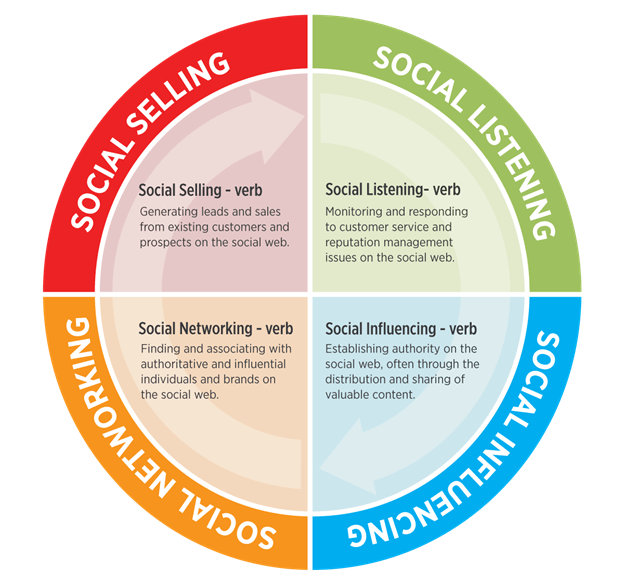
Social platforms allow businesses to share content, respond to questions and take part in conversations. The most suitable platform depends on the audience, the organisation’s goals and the type of content it can produce consistently. A clear, useful presence is often more effective than trying to be active everywhere.
Email marketing
Email gives businesses a direct way to send updates, guidance, offers and other relevant content to subscribers. Effective email marketing relies on permission, useful messaging and clear choices about what recipients receive. It should also follow applicable privacy and marketing rules.
Websites and content
A business website is often the central point of its digital activity. Articles, guides, case studies, product information and videos can answer questions and help visitors decide what to do next. Content should be accurate, easy to understand and designed with the audience’s needs in mind.
Online advertising and video
Display adverts, sponsored content and online video can introduce a business to people across websites and platforms. Their effectiveness depends on factors such as the creative quality, audience selection, placement and relevance of the message. Clear labelling is important when content is advertising or sponsored.
How to choose the right media
The best channel mix starts with a clear objective. A business seeking to build awareness may prioritise video or social content, while one looking to generate enquiries may focus on search, useful landing pages and email follow-up. These are starting points rather than fixed rules: audiences and results vary.
Before investing, consider:
- Your audience: Who are you trying to reach, and where do they look for information?
- Your objective: Are you aiming for awareness, website visits, enquiries, sales or customer retention?
- Your resources: What budget, skills and time are available to create and maintain each channel?
- Your content: Can you provide information or experiences that are genuinely useful to your audience?
- Your measures of success: Which indicators will show whether the activity is working?
Measure, learn and improve
Digital marketing media can provide data on how people interact with campaigns, but numbers need context. Impressions and clicks can indicate reach and interest; conversions, repeat visits and customer feedback may offer a clearer view of business impact. Choose measures that relate to the original objective, and review them over time rather than relying on a single result.
Testing different headlines, formats or audience approaches can help identify what works. Make changes carefully, keep track of what has been tested and use the findings to improve future activity.
Build a responsible digital presence
Good digital marketing respects people’s time, privacy and choices. Be transparent about advertising, use personal data responsibly, make content accessible and ensure that claims are accurate. A well-planned mix of digital marketing media is not simply about being visible everywhere; it is about choosing appropriate channels and using them to provide value.
Understanding Digital Marketing Media: Key Questions Answered
- What is digital marketing media?
- What are the main types of digital marketing media?
- Which digital marketing channels are best for a small business?
- How do you measure the effectiveness of digital marketing media?
- How much should a business spend on digital marketing media?
What is digital marketing media?
Digital marketing media refers to the online channels and formats businesses use to reach and engage their audiences. These include websites, search engines, social media, email, online adverts, videos and digital publications. Businesses use them to share information, promote products or services and build relationships with customers.
What are the main types of digital marketing media?
The main types of digital marketing media are owned, paid and earned media. Owned media includes channels a business controls, such as its website, blog and email newsletter. Paid media covers promotional activity a business pays for, including search adverts, sponsored social posts and display advertising. Earned media is attention gained through others, such as customer reviews, recommendations, press coverage and social sharing. Many marketing strategies combine all three to reach audiences, build trust and encourage action.
Which digital marketing channels are best for a small business?
The best digital marketing channels for a small business depend on its audience, goals and budget. A well-designed website is a useful starting point, supported by local SEO and a Google Business Profile to help nearby customers find the business. Social media can build awareness and encourage conversation, while email marketing is effective for keeping in touch with people who have chosen to hear from you. Rather than trying to use every channel, focus on one or two that your customers use and that you can manage consistently, then review the results and adjust your approach.
How do you measure the effectiveness of digital marketing media?
The effectiveness of digital marketing media is measured against clear objectives, such as increasing brand awareness, website visits, enquiries or sales. Use relevant metrics—for example, reach and impressions for awareness, click-through rate for engagement, and conversion rate or cost per acquisition for business results. Website analytics, platform reports and customer feedback can help show how people respond to campaigns. Review performance over time, compare it with your goals and use the findings to refine your channels and content.
How much should a business spend on digital marketing media?
There is no single amount every business should spend on digital marketing media. The right budget depends on your goals, industry, audience, available resources and the channels you plan to use. Start with a clear objective, set a budget you can sustain, and decide how you will measure results, such as qualified enquiries or sales rather than clicks alone. Review performance regularly and adjust spending towards the channels that are delivering value, while allowing enough time and budget to test and learn.