
Building an Effective Digital Advertising Strategy
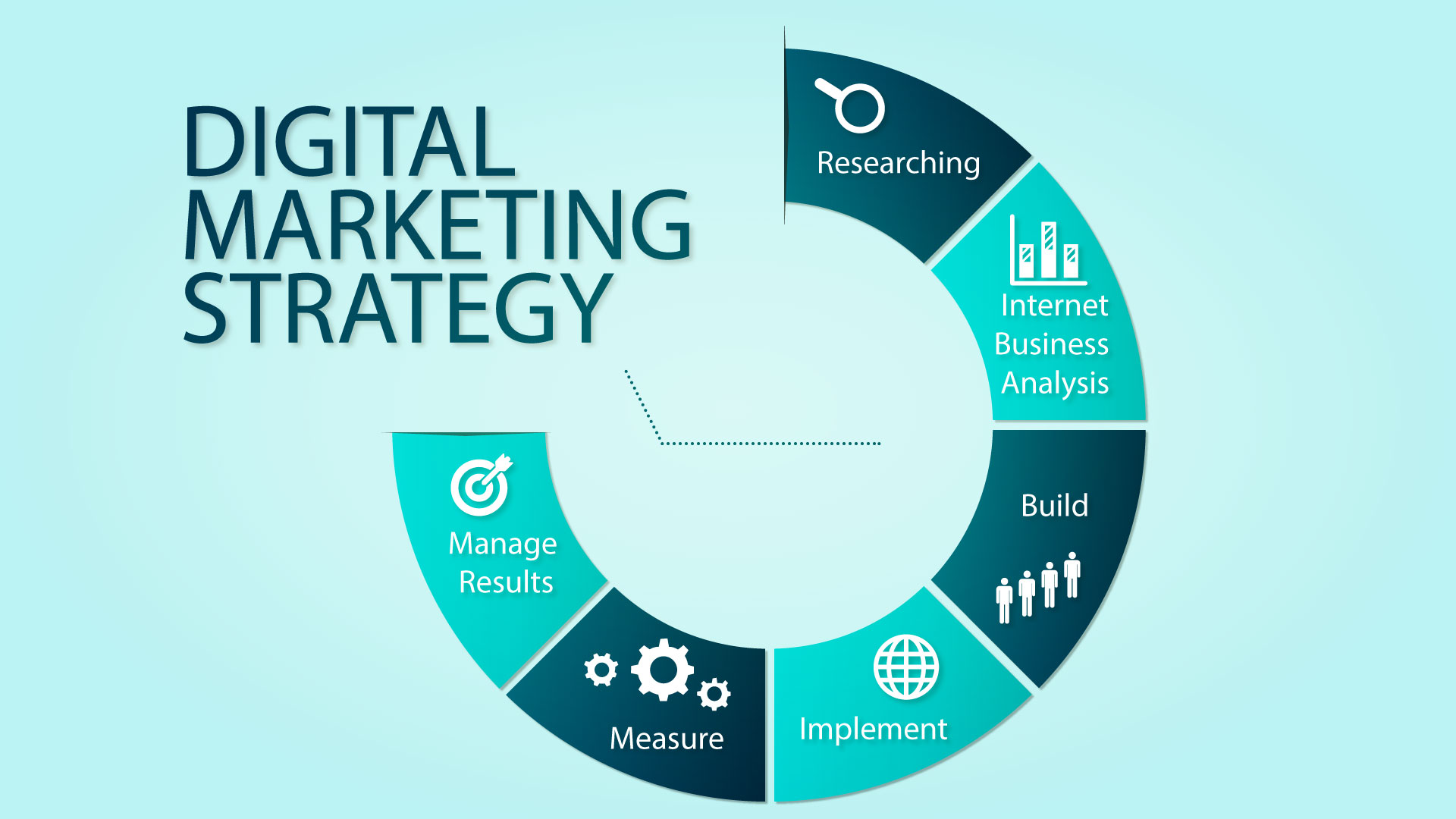
A strong digital advertising strategy helps a business reach the right people, make the most of its marketing budget and turn attention into action. Rather than relying on a single advert or platform, it brings together clear objectives, audience insight, compelling creative and ongoing measurement.
Start with clear objectives
Before choosing channels or creating adverts, decide what the campaign needs to achieve. Objectives might include increasing brand awareness, attracting visitors to a website, generating enquiries or driving sales. Make each objective specific and measurable, with a defined timeframe. This gives the campaign direction and makes it easier to judge whether it is working.
Choose measures that reflect the intended outcome. Reach and impressions can help assess awareness, while clicks and visits indicate interest. For campaigns focused on sales or enquiries, conversions and cost per acquisition may be more relevant.
Understand your audience
Effective advertising begins with a useful understanding of potential customers: their needs, interests, questions and decision-making habits. Customer interviews, website analytics, sales conversations and existing campaign data can all provide valuable clues.
Use these insights to create practical audience groups. For example, different adverts may be needed for people discovering a product for the first time and those comparing options before making a purchase. Avoid targeting so narrowly that the campaign cannot reach enough people, and make sure audience data is handled in line with applicable privacy requirements.
Choose the right channels
Digital advertising includes search, social media, display, online video, retail media and other formats. The best mix depends on the audience and the objective, not simply on which platform is currently popular.
- Search advertising can reach people actively looking for a product, service or solution.
- Social media advertising can help introduce a brand, build consideration and reach audiences based on relevant signals.
- Display and video advertising can support awareness and help communicate a message visually.
- Retargeting can reconnect with people who have already interacted with a business, where appropriate consent and platform rules are observed.
Each channel has different strengths. A focused campaign across a few well-chosen platforms is often easier to manage and evaluate than a scattered presence everywhere.
Create relevant, persuasive adverts
Good creative makes the value of an offer clear. Use a concise message that speaks to the audience’s needs, explains what makes the offer useful and includes a clear next step. The landing page should continue the same message and make it straightforward for visitors to take action.
Test different headlines, images, formats and calls to action. Keep tests controlled where possible: changing one element at a time can make it easier to understand what influenced the result. Ensure adverts are accessible, accurate and consistent with the brand.
Set a realistic budget
Build the budget around the campaign’s objectives, expected costs and available resources. Start with an amount that allows meaningful testing, then review performance before increasing spend. Do not assess a campaign solely by how many clicks it generates; consider whether those clicks lead to valuable outcomes.
It is also sensible to leave room for experimentation. A portion of the budget can be used to test new audiences, creative approaches or channels, while the remainder supports activity with more established results.
Measure and improve
Measurement should be planned before a campaign goes live. Set up suitable analytics, conversion tracking and reporting, and check that key events are being recorded correctly. Where possible, compare results with a baseline or use controlled tests to understand the campaign’s contribution.
Review performance regularly, but allow enough time and data for meaningful conclusions. If results are below expectations, investigate the whole customer journey: the audience, advert, offer, landing page and follow-up process may all play a part. Use what you learn to refine the campaign rather than making changes based on a single short-term fluctuation.
Keep trust at the centre
Responsible advertising supports long-term relationships with customers. Be transparent about offers, avoid misleading claims and respect people’s privacy choices. Follow relevant advertising standards, data protection requirements and the policies of each platform on which you advertise.
Make strategy an ongoing process
A digital advertising strategy is not a one-off plan. Audience behaviour, competition and platforms change, so campaigns need regular attention. By setting clear objectives, choosing suitable channels, creating relevant adverts and learning from reliable data, businesses can make their advertising more focused and effective over time.
Essential FAQs: Crafting and Optimising Your Digital Advertising Strategy
- What is a digital advertising strategy?
- How do I create a digital advertising strategy?
- Which digital advertising channels should my business use?
- How much should I budget for digital advertising?
- How do I identify and target the right audience?
- How can I measure the success of a digital advertising campaign?
- How often should I review and update my digital advertising strategy?
What is a digital advertising strategy?
A digital advertising strategy is a planned approach to promoting a business, product or service through online channels such as search engines, social media, websites and video platforms. It sets out who you want to reach, what you want to achieve, which channels and messages to use, how much to spend and how success will be measured. By reviewing results and refining campaigns over time, a strategy helps ensure advertising is focused, consistent and aligned with wider business goals.
How do I create a digital advertising strategy?
To create a digital advertising strategy, start by setting clear, measurable goals, such as increasing awareness, generating enquiries or driving sales. Identify your target audience and learn about their needs and online habits, then choose the channels best suited to reaching them, such as search, social media or display advertising. Set a realistic budget, create relevant adverts with a clear call to action, and make sure the landing pages provide a smooth experience. Before launching, arrange suitable tracking so you can measure results against your goals. Review performance regularly, test different approaches and use the findings to improve your campaigns.
Which digital advertising channels should my business use?
The right digital advertising channels depend on your audience, objectives and budget. Search advertising can reach people actively looking for a product or service, while social media can help build awareness and engage specific audiences. Display and online video may be useful for broader reach, and retargeting can reconnect with previous visitors where appropriate. Start with the channels your customers use, test a focused mix and compare results against your goals before expanding.
How much should I budget for digital advertising?
There’s no fixed amount to budget for digital advertising: it depends on your goals, audience, industry, chosen platforms and the results you need. Start by setting a clear objective and deciding what a worthwhile outcome—such as a sale or enquiry—is worth to your business. Set an affordable test budget that can generate enough data to assess performance, then review the quality and cost of the results before increasing, reducing or reallocating spend. Remember to account for creative production and measurement as well as the advertising itself, and avoid committing more than you can sustain.
How do I identify and target the right audience?
Identify your audience by looking at existing customer data, speaking with customers and researching their needs, interests and online behaviour. Use these insights to create clear audience groups, then choose advertising platforms and targeting options that can reach them—for example, by location, interests, search intent or previous interactions with your business. Tailor the advert and landing page to each group, and test different approaches to see what works. Track meaningful results, such as enquiries or sales rather than clicks alone, and refine your targeting over time. Always handle personal data responsibly and follow relevant privacy requirements.
How can I measure the success of a digital advertising campaign?
Measure the success of a digital advertising campaign against the objectives set at the outset. Track relevant metrics such as reach and impressions for awareness, click-through rate and website visits for engagement, and conversions, cost per acquisition or return on ad spend for sales and lead generation. Use analytics and conversion tracking to follow the customer journey, and compare results with your targets or a previous baseline. Review performance over an appropriate period, as well as the quality of the results—for example, whether leads become customers—then use those insights to refine your adverts, audience and budget.
How often should I review and update my digital advertising strategy?
Review your digital advertising strategy at least quarterly, with a closer check each month to spot changes in performance, spend or audience behaviour. You may need to review it sooner if you launch a new product, change business priorities, see a sudden shift in results or encounter platform or market changes. Use reliable data to decide what needs adjusting, and avoid making major changes based on short-term fluctuations alone.