
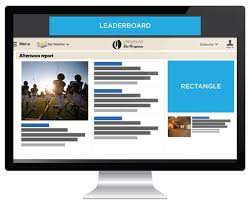
Digital Display Advertising: A Guide for Businesses
Digital display advertising uses visual adverts to reach people online. These adverts can appear on websites, apps and other digital platforms, in formats such as banners, images, animations and video. For businesses, display advertising can help build awareness, introduce products and encourage potential customers to take action.
How digital display advertising works
Advertisers usually buy display ad space through an advertising platform or network. They choose an audience, set a budget and provide creative material, such as images, copy and a link to a landing page. The platform then serves the adverts to people who may be relevant to the campaign.
Some campaigns use contextual targeting, which places adverts alongside content related to a product or service. Others use audience targeting, based on permitted signals such as interests, location or activity. The methods available depend on the platform, the campaign and applicable privacy rules.
Common display advert formats
- Banner adverts: Static or animated graphics displayed within a webpage or app.
- Responsive display adverts: Adverts that adapt their layout and size to fit different placements.
- Video adverts: Short video creative shown within a page, app or video platform.
- Native adverts: Paid placements designed to fit the look and feel of the surrounding content, while being clearly identified as advertising.
- Retargeting adverts: Adverts shown to people who have previously visited a website or interacted with a business, where this is permitted and appropriate.
Why businesses use display advertising
Display advertising offers several potential benefits. It can help a business reach people beyond its own website and social media channels, support the launch of a new product, or keep a brand visible to a relevant audience. A campaign can also direct people to a specific page, where they can find more information, make an enquiry or complete a purchase.
Because digital campaigns can be measured while they are running, businesses can review performance and make adjustments. For example, they might test different images, messages or audience settings to see which combinations produce stronger results.
Planning an effective campaign
Set a clear objective
Decide what the campaign should achieve before choosing formats or audiences. An awareness campaign might focus on reach and visibility, while a response campaign could aim to generate visits, leads or sales. A clear objective makes it easier to select suitable measures of success.
Understand the audience
Consider who the campaign is intended to reach and what information would be useful to them. Keep targeting relevant and proportionate. Avoid making assumptions about individuals, and make sure any use of personal data complies with applicable privacy and advertising requirements.
Create clear, accessible adverts
Good creative should communicate one main idea quickly. Use readable text, strong contrast and imagery that supports the message. Include a clear call to action, such as “Find out more” or “Shop now”, and make sure the linked page works well on mobile devices. Adverts should also be accessible, with suitable text alternatives where required.
Match the advert to the landing page
The page people reach should follow through on the promise made in the advert. If an advert promotes a particular service or offer, link directly to a relevant page rather than a general homepage. A consistent message can make the experience clearer and help people decide what to do next.
Measuring performance
The right metrics depend on the campaign objective. Common measures include:
- Impressions: How many times an advert was served.
- Reach: The estimated number of distinct people who saw an advert.
- Click-through rate: The proportion of impressions that resulted in a click.
- Conversions: Actions completed after an interaction, such as a purchase or enquiry.
- Cost per result: The amount spent for each desired outcome.
- Viewability: Whether an advert had the opportunity to be seen, according to the measurement method used.
These figures should be interpreted in context. A high number of impressions does not necessarily mean a campaign has reached the right people, and a click does not always lead to a meaningful outcome. Compare performance with the campaign’s original goal and consider the quality of the visits or conversions, not just their quantity.
Privacy and responsible advertising
Display campaigns should be planned with transparency and respect for people’s privacy. Businesses should follow relevant UK data protection and advertising rules, use appropriate consent mechanisms where required, and check how advertising partners collect and use data. Adverts should be truthful, clearly identifiable as advertising and suitable for the audiences and placements where they appear.
Making display advertising work
Digital display advertising is most effective when it forms part of a considered marketing plan. Set a measurable objective, choose relevant placements, create clear and engaging adverts, and review results regularly. With thoughtful planning and responsible targeting, display campaigns can help businesses build recognition and connect with potential customers online.
Understanding Digital Display Advertising: Top 10 FAQs Answered
- What are the types of display advertisement?
- What is display in digital?
- What is DV360 called now?
- Why is digital display advertising important?
- What is digital display?
- What is digital display in marketing?
- What is digital marketing display?
- What is digital advertising with examples?
- What is a digital display ad?
- What are 3 examples of digital advertising?
What are the types of display advertisement?
Display advertising comes in several formats, including banner adverts, which appear on websites and apps; responsive display adverts, which adapt to different screen sizes and placements; rich media adverts, which use interactive features such as animation or video; and native adverts, which match the style of surrounding content while remaining clearly labelled as advertising. Video display adverts can also appear within webpages or apps, while retargeting adverts are shown to people who have previously visited a website or interacted with a business, subject to relevant privacy requirements.
What is display in digital?
In digital advertising, “display” refers to visual adverts shown on websites, apps and other online platforms. These can include banners, images, animations and videos, often with a link to a product, service or landing page. Display advertising helps businesses reach relevant audiences and build awareness of their brand online.
What is DV360 called now?
DV360 is still called Display & Video 360. It is Google’s demand-side platform, part of Google Marketing Platform, and was formerly known as DoubleClick Bid Manager before being renamed in 2018.
Why is digital display advertising important?
Digital display advertising is important because it helps businesses reach relevant audiences across websites and apps, build brand awareness and promote products or services beyond their own channels. Its visual formats can make messages memorable, while campaign data helps advertisers assess performance and refine their approach. When planned responsibly, display advertising can support wider marketing goals by guiding potential customers towards useful information, enquiries or purchases.
What is digital display?
Digital display refers to visual advertising shown across websites, apps and other online platforms. It can include banner adverts, images, animations and video, often with a link to a website or landing page. Businesses use digital display advertising to raise awareness, reach relevant audiences and encourage actions such as finding out more or making a purchase.
What is digital display in marketing?
Digital display in marketing refers to visual adverts shown across websites, apps and other digital platforms. These may include banners, images, animations or videos, and can be used to build brand awareness, promote products or encourage people to visit a website. Advertisers can target campaigns to relevant audiences and measure results such as impressions, clicks and conversions.
What is digital marketing display?
Digital marketing display, more commonly called digital display advertising, is the use of visual adverts—such as banners, images, animations and videos—on websites, apps and other online platforms. Businesses use these adverts to raise awareness, promote products or services, and encourage people to visit a website or take another action. Campaigns can be tailored to relevant audiences and measured using results such as impressions, clicks and conversions.
What is digital advertising with examples?
Digital advertising is the promotion of products, services or brands through online channels. Examples include display adverts on websites and apps, sponsored posts on social media, paid search listings on search engines, online video adverts and promotional emails. A clothing retailer, for instance, might run a banner advert on a fashion website, promote a new collection on social media and show a video advert before relevant online content.
What is a digital display ad?
A digital display ad is a visual advert shown on websites, apps or other online platforms. It may take the form of a banner, image, animation or video, and typically includes a message and a link to a webpage. Businesses use display ads to raise awareness, promote products or services, and encourage people to take an action, such as learning more or making a purchase.
What are 3 examples of digital advertising?
Three common examples of digital advertising are search adverts, which appear in search engine results; social media adverts, shown in users’ feeds or stories; and digital display adverts, such as banners or videos on websites and apps. Each format can help businesses reach audiences online, but they differ in where they appear and how people interact with them.