
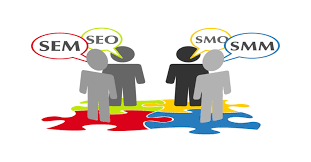
The Power of SEO, SEM, and Social Media Marketing
In today’s digital age, businesses are constantly seeking ways to enhance their online presence and reach a wider audience. Three key strategies that play a crucial role in achieving this goal are Search Engine Optimization (SEO), Search Engine Marketing (SEM), and Social Media Marketing.
Search Engine Optimization (SEO)
SEO involves optimizing your website to improve its visibility on search engine results pages. By incorporating relevant keywords, creating high-quality content, and enhancing user experience, businesses can increase their organic traffic and attract more visitors to their site. SEO is a long-term strategy that focuses on improving your website’s ranking in search engine results for specific keywords.
Search Engine Marketing (SEM)
SEM complements SEO by incorporating paid advertising to increase a website’s visibility on search engine results pages. Through platforms like Google Ads, businesses can create targeted ads that appear when users search for specific keywords related to their products or services. SEM provides a way to quickly drive traffic to your site and reach potential customers who are actively searching for what you offer.
Social Media Marketing
Social media has become an essential part of any marketing strategy. Platforms like Facebook, Twitter, Instagram, and LinkedIn offer businesses the opportunity to engage with their audience, build brand awareness, and drive traffic to their website. By creating compelling content, running targeted ads, and engaging with followers, businesses can leverage social media to connect with customers on a personal level and promote their products or services effectively.
Integration of Strategies
While each strategy – SEO, SEM, and social media marketing – has its unique benefits, integrating them can lead to even greater success. By aligning your SEO efforts with your SEM campaigns and leveraging social media channels to promote your content and engage with your audience, you can create a comprehensive digital marketing strategy that maximises your online visibility and drives results.
Conclusion
SEO, SEM, and social media marketing are powerful tools that businesses can use to enhance their online presence and connect with customers in meaningful ways. By understanding the unique advantages of each strategy and incorporating them into a cohesive digital marketing plan, businesses can effectively reach their target audience, drive traffic to their website, and ultimately achieve their marketing goals in the competitive digital landscape.
Top 5 Benefits of SEO, SEM, and Social Media Marketing for Boosting Online Presence
- Increased online visibility
- Targeted advertising
- Engagement with customers
- Enhanced brand awareness
- Drive website traffic
Challenges in Digital Marketing: Navigating Competition, Costs, and Constant Changes
- 1. High Competition
- 2. Time-Consuming
- 3. Costly Investment
- 4. Constant Algorithm Changes
- 5. Difficulty in Measuring ROI
- 6. Potential for Negative Feedback
Increased online visibility
By implementing SEO, SEM, and social media marketing strategies, businesses can significantly enhance their online visibility and expand their reach to a broader audience. These digital marketing techniques work together to improve a company’s online presence, making it easier for potential customers to discover their products or services. SEO optimisation ensures that the website ranks higher in search engine results, SEM ads increase visibility through paid promotions, and social media engagement helps in building brand awareness across various platforms. As a result, businesses can effectively boost their online visibility and attract more traffic to their digital assets.
Targeted advertising
One significant advantage of Search Engine Marketing (SEM) is the ability for businesses to implement targeted advertising strategies. By utilising SEM, companies can create tailored advertisements that are displayed to users who are actively searching for particular keywords associated with their products or services. This targeted approach ensures that the ads reach an audience that is already interested in what the business has to offer, increasing the likelihood of engagement and conversion. SEM’s capability to deliver relevant content to a specific audience enhances the effectiveness of advertising campaigns and maximises return on investment for businesses seeking to reach potential customers with precision.
Engagement with customers
Social media marketing plays a vital role in fostering engagement with customers by allowing businesses to connect with their audience on a personal level. Through interactive posts, meaningful conversations, and timely responses, companies can build relationships with their followers, creating a sense of trust and loyalty towards the brand. By actively engaging with customers on social media platforms, businesses can gain valuable insights, address concerns promptly, and showcase their commitment to customer satisfaction, ultimately strengthening brand loyalty and driving long-term success.
Enhanced brand awareness
By utilising SEO, SEM, and social media marketing strategies, businesses have the opportunity to significantly boost their brand awareness within their desired audience. These tactics enable companies to enhance their visibility and establish recognition for their brand. Through targeted keywords, paid advertising, and engaging social media content, businesses can effectively elevate their presence in the digital sphere, ensuring that they remain at the forefront of their target market’s minds.
Drive website traffic
By implementing SEO techniques, running SEM campaigns, and leveraging social media platforms effectively, businesses can drive more traffic to their website. SEO helps improve organic visibility on search engine results pages, SEM allows for targeted advertising to reach potential customers actively searching for specific keywords, and social media marketing enables engaging with the audience and promoting content to attract visitors. This integrated approach not only increases website traffic but also enhances brand visibility and engagement with the target audience across different online channels.
1. High Competition
In the realm of SEO, SEM, and social media marketing, one significant drawback is the intense competition that businesses face. The saturation of these fields means that standing out among competitors can be a daunting task. With numerous companies vying for attention and visibility online, businesses must navigate through a crowded digital landscape to capture their target audience’s interest effectively. The high level of competition necessitates strategic planning and innovative approaches to ensure that businesses can differentiate themselves and make a lasting impact in the competitive online environment.
2. Time-Consuming
Implementing effective SEO strategies, managing SEM campaigns, and maintaining an active social media presence can be incredibly time-consuming. Businesses often find themselves investing a significant amount of time and effort into these marketing activities, which can detract from other essential tasks and responsibilities. The continuous monitoring, analysis, and adjustment required for SEO, SEM, and social media marketing demand a dedicated commitment of resources that may strain a company’s capacity to focus on core business operations. Time constraints can pose a significant challenge for businesses looking to balance the demands of digital marketing with their overall strategic objectives.
3. Costly Investment
One significant drawback of utilising SEO, SEM, and social media marketing strategies is the costly investment involved. While organic SEO initiatives may prove to be cost-effective over time, businesses often face substantial expenses when running SEM advertising campaigns and engaging in social media marketing activities. The financial commitment required for paid advertising on search engines and social media platforms can strain a company’s budget, especially for small businesses or startups aiming to establish a strong online presence amidst fierce competition.
4. Constant Algorithm Changes
One significant drawback of SEO, SEM, and social media marketing is the constant algorithm changes implemented by search engines and social media platforms. Marketers are often faced with the challenge of staying up-to-date with these frequent updates, as they need to continuously adjust their strategies to align with the latest algorithms. This dynamic environment can be demanding for marketers, requiring them to be agile and flexible in their approach to ensure their efforts remain effective in reaching their target audience amidst evolving algorithms.
5. Difficulty in Measuring ROI
Measuring the return on investment (ROI) for SEO, SEM, and social media marketing efforts can pose a significant challenge due to the complexity of factors that influence the outcomes. Determining the direct impact of these strategies on key performance indicators such as website traffic, conversion rates, and revenue generation can be intricate and often requires sophisticated analytics tools. Without clear and precise measurement techniques in place, businesses may struggle to assess the effectiveness of their digital marketing campaigns accurately, making it difficult to justify resource allocation and optimise future strategies for maximum results.
6. Potential for Negative Feedback
Social media marketing, while offering numerous benefits, also presents a significant con in the form of the potential for negative feedback. By providing platforms for public feedback, social media channels can become avenues for customers to express dissatisfaction or leave negative comments and reviews about a brand. Such feedback has the potential to impact a brand’s reputation adversely, as it can be visible to a wide audience and influence others’ perceptions of the brand. Managing and addressing negative feedback effectively is crucial to mitigating its impact and maintaining a positive brand image in the digital space.