
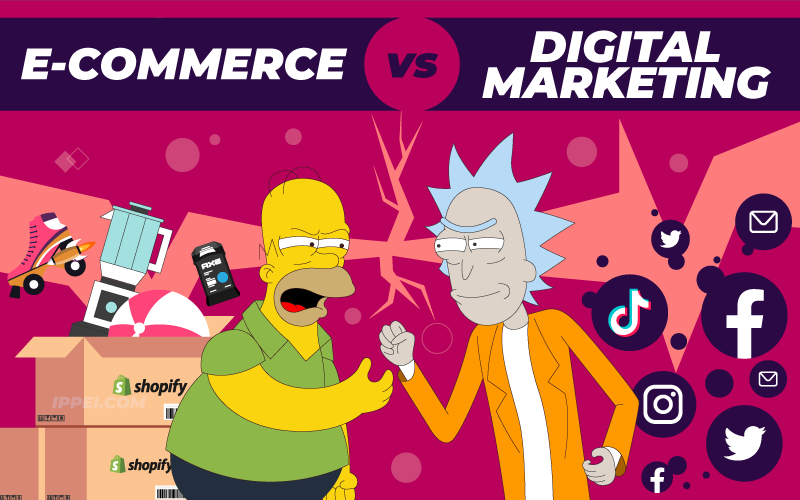
E-commerce and Digital Marketing: Building a Stronger Online Business
E-commerce has changed the way people discover, compare and buy products. A successful online shop, however, needs more than a well-designed website and a reliable checkout. It also needs a clear digital marketing strategy to attract the right visitors, earn their trust and encourage them to return.
When e-commerce and digital marketing work together, businesses can create a smoother customer journey—from the first online search to the delivery of an order and beyond.
What is e-commerce?
E-commerce is the buying and selling of goods or services online. It can take place through a business’s own website, online marketplaces, social media platforms or a combination of these channels. For customers, it offers convenience and choice. For businesses, it can provide access to new audiences and markets.
But simply opening an online shop does not guarantee sales. Customers need to be able to find the business, understand what it offers and feel confident completing a purchase.
The role of digital marketing
Digital marketing uses online channels to reach and engage potential customers. These channels include search engines, social media, email, online advertising and content published on a website.
For e-commerce businesses, digital marketing can help to:
- Increase awareness of products and services
- Bring relevant visitors to an online shop
- Explain what makes a business or product distinctive
- Build trust through useful content and customer reviews
- Encourage repeat purchases and long-term loyalty
Key digital marketing channels for e-commerce
Search engine optimisation
Search engine optimisation (SEO) helps product and category pages appear in relevant search results. Useful product descriptions, clear page titles, descriptive headings and a well-organised website can make it easier for both customers and search engines to understand what a shop offers.
SEO is a long-term activity. It requires regular attention to content, website performance and the questions customers are searching for.
Content marketing
Helpful content can support customers at different stages of their buying journey. Buying guides, product comparisons, how-to articles and frequently asked questions can answer practical questions while introducing people to a brand.
Good content should be genuinely useful rather than simply promotional. It can help customers make informed decisions and give them a reason to return to the website.
Social media marketing
Social media allows businesses to share product updates, demonstrate how products are used and take part in conversations with customers. The most suitable platforms depend on the audience and the nature of the products.
Consistent, relevant posts are generally more valuable than trying to be active on every platform. Social media can also support customer service, although questions and complaints should be answered promptly and professionally.
Email marketing
Email remains a practical way to communicate with people who have chosen to hear from a business. Newsletters, product updates, order information and carefully timed reminders can keep customers informed and engaged.
Messages should be relevant and sent with the recipient’s consent. Clear subscription choices and an easy way to unsubscribe help create a more respectful customer experience.
Paid online advertising
Paid search and social media advertising can help businesses reach specific audiences or promote particular products. Campaigns can be adjusted according to their performance, but they need clear goals and careful budgeting.
Rather than focusing only on clicks, businesses should consider whether advertising is leading to valuable actions, such as completed purchases, enquiries or newsletter sign-ups.
Creating a seamless customer journey
Marketing can bring visitors to an online shop, but the website must make it easy for them to take the next step. Clear product information, high-quality images, transparent delivery costs and a straightforward checkout all contribute to a better experience.
Businesses should also consider how their website works on mobile devices. A slow or difficult-to-use mobile experience may discourage customers, particularly when they are browsing or shopping on the move.
After a purchase, timely order updates and responsive customer support help reinforce trust. A positive experience can make customers more likely to recommend a business or shop with it again.
Measure, learn and improve
Digital marketing provides useful data, but numbers need to be interpreted in context. Businesses can monitor website visits, traffic sources, conversion rates, average order value and repeat purchases to understand what is working.
Testing small changes—such as different product descriptions, page layouts or advertising messages—can reveal opportunities for improvement. The aim is not to chase every new trend, but to make informed decisions based on customer needs and business goals.
Bringing e-commerce and marketing together
E-commerce and digital marketing are most effective when they support one another. Marketing attracts and informs potential customers; the online shop helps them make a purchase; and good service encourages them to come back.
By focusing on a clear audience, useful content, trustworthy communication and a smooth shopping experience, businesses can build a stronger online presence and create lasting relationships with their customers.
Exploring E-commerce and Digital Marketing: Key Questions Answered
- What are the 3 types of e-commerce?
- How e-commerce is used in digital marketing?
- What are the 7 types of digital marketing?
- What is the difference between e-commerce and digital business?
- Which is better digital marketing or e-commerce?
- Is digital marketing and ecommerce a good career?
- What are the 4 types of e-commerce?
- Which is best e-commerce or digital marketing?
What are the 3 types of e-commerce?
The three main types of e-commerce are business-to-consumer (B2C), business-to-business (B2B) and consumer-to-consumer (C2C). B2C describes businesses selling directly to individual customers, such as an online shop selling clothing. B2B involves transactions between businesses, such as a wholesaler supplying products to a retailer. C2C takes place between individual consumers, often through online marketplaces where people can sell second-hand or handmade goods. These models help businesses choose the right platforms, pricing and digital marketing strategies for the customers they want to reach.
How e-commerce is used in digital marketing?
E-commerce is used in digital marketing to promote products and services online and guide customers from discovering a brand to completing a purchase. Businesses use channels such as search engines, social media, email and online advertising to attract relevant visitors to their online shop, showcase products and share useful information. Website features such as customer reviews, personalised recommendations and a simple checkout can then support buying decisions, while follow-up emails and loyalty offers can encourage repeat purchases. By analysing customer behaviour and sales data, businesses can improve both their marketing campaigns and the online shopping experience.
What are the 7 types of digital marketing?
The seven common types of digital marketing are search engine optimisation (SEO), content marketing, social media marketing, pay-per-click (PPC) advertising, email marketing, affiliate marketing and mobile marketing. Each uses different channels to reach and engage potential customers: SEO helps people find a website through search results, while content marketing provides useful information and social media encourages interaction. PPC uses paid adverts, email communicates directly with subscribers, affiliate marketing rewards partners for referrals, and mobile marketing reaches people through mobile-friendly websites, apps or messages. For an e-commerce business, these approaches can be combined to attract shoppers, support their purchasing decisions and encourage repeat sales.
What is the difference between e-commerce and digital business?
E-commerce refers specifically to buying and selling goods or services online, including activities such as browsing products, placing orders and making payments. Digital business is broader: it uses digital technologies to support or transform different parts of an organisation, from marketing and customer service to operations, data management and product development. E-commerce can therefore be one part of a digital business, but a business can use digital tools without selling online.
Which is better digital marketing or e-commerce?
Neither digital marketing nor e-commerce is inherently better; they serve different purposes and work best together. E-commerce is the process of selling products or services online, while digital marketing helps attract customers, promote your offer and encourage sales through channels such as search engines, social media and email. If you want to sell online, you need an e-commerce platform; if you want more people to find and buy from your business, digital marketing can help. The right focus depends on your goals, but combining both can create a stronger online business.
Is digital marketing and ecommerce a good career?
Yes, digital marketing and e-commerce can offer rewarding career opportunities for people who enjoy combining creativity, communication and data. Roles range from SEO and social media to online merchandising, paid advertising, content creation and e-commerce management, with opportunities across many industries. The field changes quickly, so curiosity and a willingness to keep learning are important. Practical experience, strong analytical and communication skills, and familiarity with relevant digital tools can help you build a career in this growing area.
What are the 4 types of e-commerce?
The four main types of e-commerce are business-to-consumer (B2C), where businesses sell directly to individual customers; business-to-business (B2B), where companies sell products or services to other businesses; consumer-to-consumer (C2C), where individuals trade with one another through platforms such as online marketplaces; and consumer-to-business (C2B), where individuals offer products or services to businesses, such as freelance work or licensed photography. These models describe who is buying and selling, and they help businesses choose suitable sales channels and digital marketing strategies.
Which is best e-commerce or digital marketing?
Neither e-commerce nor digital marketing is inherently “best”—they serve different purposes and work most effectively together. E-commerce is the selling of products or services online, while digital marketing helps attract and engage customers through channels such as search engines, social media and email. If you want to sell online, you’ll need an e-commerce platform; digital marketing can then help bring customers to it and encourage repeat purchases.