
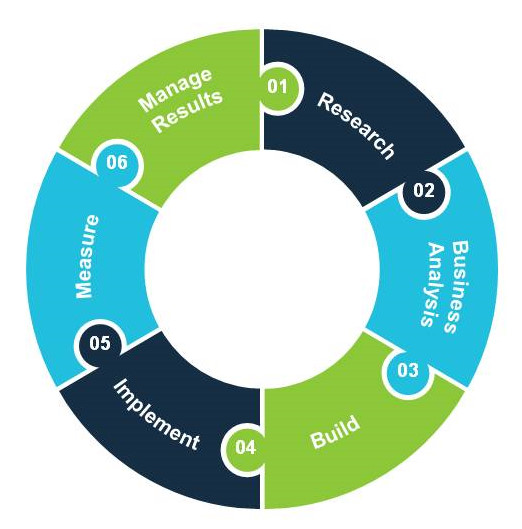
The Power of a Strong Digital Marketing Strategy: An Example
In today’s digital age, having a well-defined digital marketing strategy is crucial for businesses looking to thrive online. Let’s explore an example of a successful digital marketing strategy implemented by a fictional company, “TechSavvy Solutions”.
Setting Clear Objectives
TechSavvy Solutions identified their primary goal as increasing brand awareness and driving website traffic. They set specific, measurable objectives to achieve this, such as increasing website visits by 30% within six months.
Understanding the Target Audience
Through thorough market research and data analysis, TechSavvy Solutions identified their target audience – tech-savvy professionals aged 25-40 interested in innovative tech solutions. This helped tailor their digital marketing efforts to resonate with this demographic.
Content Marketing Strategy
TechSavvy Solutions focused on creating high-quality, engaging content that provided value to their target audience. They published blog posts, infographics, and video tutorials on the latest tech trends and solutions, establishing themselves as industry thought leaders.
Social Media Engagement
To amplify their reach and engagement, TechSavvy Solutions leveraged social media platforms such as LinkedIn and Twitter. They engaged with their audience through regular posts, polls, and live Q&A sessions, fostering a sense of community around their brand.
Search Engine Optimization (SEO)
Recognising the importance of organic search traffic, TechSavvy Solutions invested in SEO strategies to improve their website’s visibility on search engines. They optimised their website content with relevant keywords and earned backlinks from reputable tech websites.
Paid Advertising Campaigns
To accelerate their results, TechSavvy Solutions ran targeted paid advertising campaigns on platforms like Google Ads and LinkedIn Ads. They created compelling ad creatives tailored to different stages of the buyer’s journey to drive conversions effectively.
Measuring Success
Throughout their campaign, TechSavvy Solutions monitored key performance indicators (KPIs) such as website traffic, conversion rates, and social media engagement. By analysing these metrics regularly, they could make data-driven decisions to optimise their digital marketing strategy for better results.
Conclusion
This example illustrates how a comprehensive digital marketing strategy can help businesses achieve their goals effectively in today’s competitive landscape. By setting clear objectives, understanding the target audience,
using various digital channels strategically,
and measuring performance consistently,
companies like TechSavvy Solutions can elevate
their online presence and drive sustainable growth.
Comprehensive Guide to Digital Marketing Strategies: FAQs Answered
- What are the 7 P’s of digital marketing?
- What is your digital marketing strategy?
- What are the 8 digital marketing strategies?
- What are the three strategies of digital marketing?
- What are 6 digital marketing strategies?
- What are digital marketing strategies?
- How to write a digital marketing strategy?
- What are the strategy of digital marketing?
What are the 7 P’s of digital marketing?
The 7 P’s of digital marketing encompass a comprehensive framework for businesses to strategize and execute their online marketing efforts effectively. These include Product (offering valuable solutions), Price (setting competitive pricing strategies), Place (choosing the right distribution channels), Promotion (utilising various promotional tactics), People (understanding and targeting the right audience), Process (implementing efficient workflows), and Physical Evidence (building credibility and trust through tangible elements). By incorporating these key elements into their digital marketing strategy, businesses can enhance brand visibility, engage with their target audience, and drive sustainable growth in the competitive digital landscape.
What is your digital marketing strategy?
When asked about our digital marketing strategy, we proudly outline a comprehensive approach that encompasses various key elements. Our strategy revolves around setting clear objectives tailored to our business goals, understanding our target audience through in-depth research, implementing engaging content marketing tactics, leveraging social media platforms for enhanced engagement, prioritising search engine optimisation (SEO) for improved visibility, running targeted paid advertising campaigns for accelerated results, and consistently measuring performance to refine and optimise our strategies. By integrating these components seamlessly, we aim to maximise our online presence, drive meaningful engagement, and achieve sustainable growth in the digital landscape.
What are the 8 digital marketing strategies?
When exploring digital marketing strategies, it’s essential to consider a diverse range of approaches to maximise online success. Eight key digital marketing strategies include content marketing, social media marketing, search engine optimisation (SEO), email marketing, pay-per-click (PPC) advertising, influencer marketing, affiliate marketing, and video marketing. Each strategy plays a crucial role in engaging audiences, driving traffic, and converting leads into customers. By incorporating a mix of these strategies tailored to specific business goals and target audiences, companies can enhance their online presence and achieve sustainable growth in the competitive digital landscape.
What are the three strategies of digital marketing?
In digital marketing, there are three fundamental strategies that businesses often employ to enhance their online presence and engage with their target audience effectively. The first strategy is content marketing, which involves creating and sharing valuable content to attract and retain customers. This can include blog posts, videos, infographics, and more. The second strategy is social media marketing, where businesses leverage platforms like Facebook, Instagram, and LinkedIn to connect with their audience, build brand awareness, and drive engagement. Lastly, search engine optimization (SEO) plays a crucial role in digital marketing by optimising a website’s content to improve its visibility on search engines like Google. By incorporating these three strategies into a cohesive digital marketing plan, businesses can establish a strong online presence and achieve their marketing objectives successfully.
What are 6 digital marketing strategies?
In the realm of digital marketing, there are various strategies that businesses can employ to enhance their online presence and reach their target audience effectively. Six key digital marketing strategies include content marketing, social media marketing, search engine optimization (SEO), email marketing, pay-per-click (PPC) advertising, and influencer marketing. Content marketing involves creating valuable and engaging content to attract and retain customers. Social media marketing utilises platforms like Facebook, Instagram, and LinkedIn to engage with audiences and build brand awareness. SEO focuses on improving a website’s visibility on search engines to drive organic traffic. Email marketing involves sending targeted messages to subscribers to nurture leads and drive conversions. PPC advertising allows businesses to reach a targeted audience through paid ads displayed on search engines or social media platforms. Influencer marketing leverages popular personalities or influencers to promote products or services to their followers, tapping into their credibility and influence. By incorporating these digital marketing strategies into a cohesive plan, businesses can enhance their online presence and achieve their marketing goals successfully.
What are digital marketing strategies?
Digital marketing strategies encompass a range of techniques and approaches used by businesses to promote their products or services online. These strategies leverage digital channels such as websites, social media, email, search engines, and online advertising to reach and engage with target audiences. From content marketing and social media management to search engine optimisation (SEO) and paid advertising campaigns, digital marketing strategies aim to increase brand visibility, drive website traffic, generate leads, and ultimately boost conversions. By employing a mix of tactics tailored to specific business goals and target demographics, companies can create impactful digital marketing campaigns that resonate with their audience in the ever-evolving online landscape.
How to write a digital marketing strategy?
Developing a robust digital marketing strategy involves a structured approach to maximise online presence and achieve business goals effectively. To craft an effective strategy, start by clearly defining your objectives and target audience. Conduct thorough market research to understand consumer behaviour and preferences. Identify key digital channels that align with your audience demographics and business offerings. Create engaging and valuable content tailored to each platform, whether it’s social media, email marketing, or search engine optimisation. Implement measurable KPIs to track performance and make data-driven adjustments for continuous improvement. By following these steps, businesses can create a tailored digital marketing strategy that resonates with their audience and drives success in the online landscape.
What are the strategy of digital marketing?
When considering the strategies of digital marketing, it is essential to understand that they encompass a range of approaches aimed at achieving specific goals in the online realm. These strategies often include elements such as content marketing, social media engagement, search engine optimisation (SEO), paid advertising campaigns, and email marketing. Each strategy plays a crucial role in enhancing brand visibility, driving website traffic, engaging target audiences, and ultimately converting leads into customers. By implementing a well-rounded digital marketing strategy that utilises these various tactics effectively, businesses can establish a strong online presence and achieve sustainable growth in today’s competitive landscape.