
How to Plan a Successful Digital Media Campaign
A digital media campaign uses online channels to reach a defined audience and encourage a particular action. That action might be visiting a website, signing up for a newsletter, making a purchase or learning more about a service. The strongest campaigns bring together a clear message, suitable channels and thoughtful measurement.
Start with a clear objective
Before choosing platforms or creating content, decide what the campaign needs to achieve. A specific objective gives the work direction and makes it easier to assess the results. For example, a campaign might aim to increase qualified website visits by 15 per cent over three months, rather than simply to “raise awareness”.
Choose measures that match the objective. Reach and impressions can help assess visibility, while click-through rates show whether people are responding to an advert or post. For a sales campaign, conversions and cost per acquisition may be more useful. Set a baseline where possible so that progress can be compared fairly.
Understand the audience
Effective campaigns are built around the people they are intended to reach. Consider their needs, interests, online habits and the questions they are likely to have. Audience research can draw on customer feedback, website analytics, search trends and social media insights.
It is also useful to divide a broad audience into smaller groups. A message that resonates with existing customers may not suit people who have never encountered a brand. Tailoring content to different stages of the customer journey can make communication more relevant without losing a consistent overall identity.
Choose the right channels
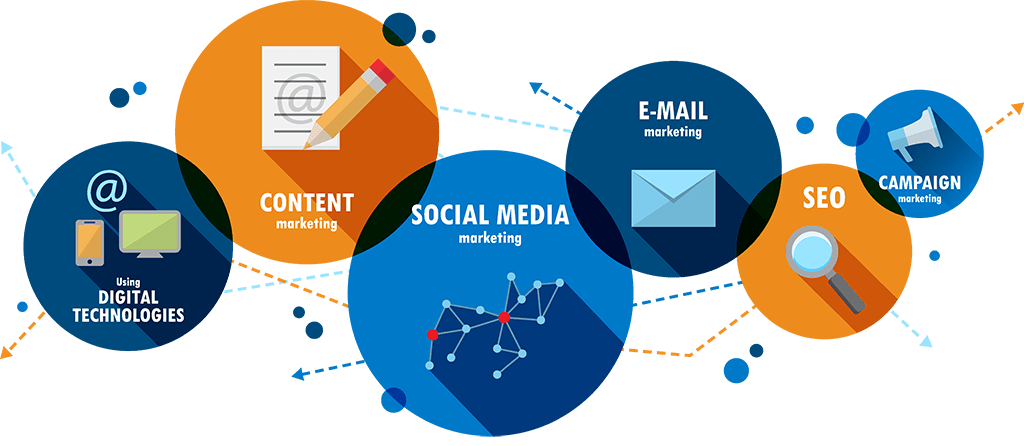
There is no single channel that works for every campaign. Search advertising can reach people actively looking for a product or service. Social media can help build communities and introduce ideas to new audiences. Email is useful for communicating with people who have chosen to hear from an organisation, while video and display advertising can support awareness and storytelling.
Channel selection should follow the audience and the objective, not the other way round. A focused campaign across a few appropriate platforms is often more effective than spreading time and budget too thinly across every available channel.
Create consistent, useful content
Campaign content should give people a clear reason to pay attention. It might answer a common question, explain a benefit, demonstrate how something works or offer a compelling next step. Use language that is straightforward and appropriate for the audience, and make sure the call to action is easy to understand.
Consistency matters across adverts, landing pages, emails and social posts. The tone, visual style and central message should feel connected, while the format can be adapted for each platform. A person who clicks an advert should arrive at a page that reflects the promise made in that advert.
Plan the budget and schedule
A campaign budget should account for more than paid advertising. Creative production, platform fees, research, testing and reporting can all require time or investment. Establish spending limits in advance and decide how the budget will be distributed between channels.
Build a realistic schedule that allows time for planning, production, approval and optimisation. Some campaigns benefit from a short, concentrated burst of activity; others need a steady presence over a longer period. The timing should reflect the audience’s behaviour and the campaign’s purpose.
Measure, learn and improve
Once a campaign is live, review performance regularly. Look at whether the activity is reaching the intended audience and whether it is producing meaningful results. If a particular advert is attracting clicks but few enquiries, for instance, the landing page or the offer may need attention.
Testing small changes can reveal what works best. You might compare two headlines, images or calls to action, changing one element at a time. Use the results to make informed adjustments, rather than relying on assumptions. At the end of the campaign, record what was learned so that future activity can build on it.
Respect privacy and accessibility
Responsible campaign planning includes protecting people’s information and following relevant data protection and advertising requirements. Be transparent about how personal data is collected and used, and obtain consent where required. Avoid targeting approaches that are intrusive or misleading.
Accessibility should also be considered from the beginning. Use readable text, clear layouts, captions for video and meaningful descriptions for images where appropriate. Accessible content can make a campaign easier to use for a wider audience.
Bringing it all together
A successful digital media campaign is not defined by the number of platforms it uses or the size of its budget. It depends on having a clear objective, understanding the audience, choosing suitable channels and delivering a consistent message. By measuring outcomes and using the results to improve, organisations can make their digital activity more relevant, effective and accountable.
6 Tips for a Successful Digital Media Campaign
- Set clear, measurable campaign goals.
- Know your audience and their online habits.
- Choose channels that fit your audience.
- Create engaging, accessible content.
- Test different messages and formats.
- Track results and adjust regularly.
Set clear, measurable campaign goals.
Set clear, measurable goals before launching a digital media campaign so that everyone understands what success looks like. Rather than aiming simply to “raise awareness”, set a specific target, such as increasing website visits by 15 per cent or generating 100 new enquiries within three months. Choose measures that match your objective, then review them throughout the campaign to see what is working and where adjustments may be needed.
Know your audience and their online habits.
Know your audience and understand how they use digital media. Consider their interests, needs and the platforms they visit, as well as when and how they prefer to engage online. Use research, customer feedback and analytics to build a clear picture, then tailor your message and choose channels that fit their habits. This helps your campaign reach the right people with relevant content, at the right time.
Choose channels that fit your audience.
Choose channels that fit your audience rather than trying to be everywhere at once. Consider where your audience spends time online, what content they prefer and how they like to engage. For example, search advertising may work well for people actively looking for a service, while social media or video can help introduce a brand to new audiences. Focusing on the most relevant channels helps make your campaign more effective and ensures your time and budget are used wisely.
Create engaging, accessible content.
Create content that captures attention while remaining easy for everyone to understand and use. Choose clear, concise language, a strong visual style and a relevant message that speaks to your audience, then adapt it for each platform. Improve accessibility by using readable text, captions for video, descriptive alt text for meaningful images and sufficient colour contrast. Engaging, accessible content helps more people connect with your campaign and take the next step.
Test different messages and formats.
Test different messages and formats to discover what resonates most with your audience. Try variations in headlines, images, video, tone of voice and calls to action, while changing one element at a time so you can see what makes a difference. Review the results against your campaign objectives, then use what you learn to refine future content and make your budget work harder.
Track results and adjust regularly.
Track your campaign’s performance regularly to see what is working and where improvements are needed. Use relevant measures, such as engagement, website visits or conversions, and compare them with your original objectives. If a channel or piece of content is underperforming, adjust your approach—perhaps by refining the audience, changing the message or reallocating the budget. Regular, evidence-based adjustments help keep your campaign effective as audience behaviour and results evolve.