
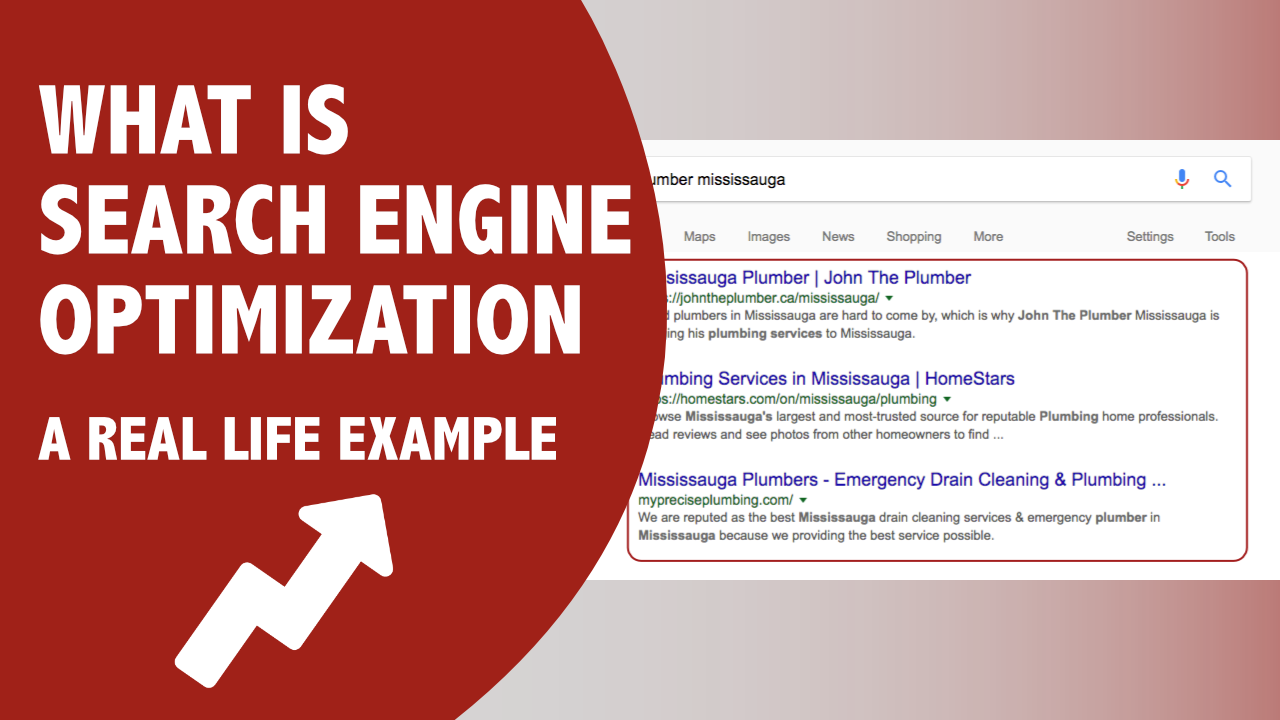
Search Optimisation: A Practical Guide to Being Found Online
Search optimisation is the process of improving a website so that people can find and use it more easily through search engines. Often called search engine optimisation, or SEO, it helps connect useful, relevant content with people looking for answers, products or services.
Effective optimisation is not about tricking search engines or repeating the same phrase as often as possible. It is about creating a clear, helpful website that meets visitors’ needs and can be understood by search engines.
How search optimisation works
Search engines discover pages by crawling links, add information about them to an index, and then select and rank results in response to a search. Their systems consider many signals, including how relevant and useful a page appears, how well it works on different devices and the quality of the links pointing to it.
Search results can change over time, and no one can guarantee a particular position. A sound strategy focuses on improving the site and its content for people, rather than chasing quick fixes.
Understand what your audience is looking for
Good optimisation begins with understanding the questions and tasks behind a search. Someone searching for “how to choose a running shoe” is likely looking for guidance, while someone searching for a particular shoe model may be ready to compare prices or buy.
Research the language your audience uses, then organise your pages around genuine needs. Search terms can help you understand those needs, but they should inform your writing—not dictate awkward or repetitive copy.
Create useful, well-structured content
Each page should have a clear purpose and provide information that is accurate, relevant and easy to follow. Use descriptive headings to organise the content, explain specialist terms where necessary and make important details easy to find.
It can also help to include a concise page title and description. These may appear in search results and should accurately summarise the page, giving people a reason to visit without making promises the content cannot meet.
Review content regularly. Update information that has changed, improve pages that are difficult to understand and remove or combine material that no longer serves a useful purpose.
Make your website easy to use
Technical performance affects both visitors and search engines. A website should load reliably, work on mobile devices and use a secure connection. Navigation should be straightforward, links should lead to the right places, and important pages should be accessible without unnecessary barriers.
Clear page addresses, descriptive image text and a logical heading structure can also make a site easier to understand. For larger websites, an XML sitemap can help search engines discover important pages, although it does not guarantee that every page will be indexed.
Build trust and authority over time
Useful content can earn references and links from other websites. These links may help people discover your site and can provide search engines with context about its relevance. Focus on producing something worth recommending, such as original research, practical advice or a genuinely useful resource.
Avoid buying links, joining link schemes or publishing low-quality pages solely to influence rankings. Such tactics can damage trust and may lead to search visibility problems.
Measure what matters
Search performance can be monitored using analytics and search reporting tools. Look beyond rankings alone: consider organic visits, the queries bringing people to your site, engagement, enquiries, sales or other outcomes that matter to your organisation.
Use the data to identify opportunities. A page receiving impressions but few visits may need a clearer search-result title. A page attracting visitors but not helping them complete a task may need better information or a more intuitive design.
Think of optimisation as ongoing work
Search optimisation is not a one-off task. Search habits, competitors, technology and your own organisation’s information all change. Regularly reviewing your website helps keep it accurate, useful and technically sound.
The most dependable approach is simple: understand your audience, publish helpful content, make the website easy to use and assess the results. Over time, these fundamentals can improve your visibility and make your site more valuable to the people who visit it.
5 Essential Tips for Better Search Engine Optimisation
- Use clear, descriptive page titles.
- Write helpful content for your audience.
- Include relevant keywords naturally.
- Make pages fast and mobile-friendly.
- Earn links from trusted websites.
Use clear, descriptive page titles.
Use clear, descriptive page titles so visitors and search engines can quickly understand what each page is about. Keep titles concise, specific and relevant to the page content, placing the most important information near the beginning. Avoid vague wording, unnecessary repetition and titles that promise more than the page delivers. A well-written title can help your page stand out in search results and attract the right visitors.
Write helpful content for your audience.
Write helpful content that answers your audience’s questions and meets their needs. Use clear, accurate information, organise it with descriptive headings and choose language your readers understand. Rather than writing simply to include search terms, focus on providing genuine value—useful content is more likely to earn readers’ trust, encourage them to stay and share it, and support stronger search visibility over time.
Include relevant keywords naturally.
Include relevant keywords naturally throughout your content so search engines and readers can quickly understand what each page is about. Choose terms that reflect the language your audience uses, and place them where they make sense, such as in headings, page titles and introductory text. Avoid forcing keywords into every sentence or repeating them excessively; clear, useful writing should always come first.
Make pages fast and mobile-friendly.
Make pages fast and mobile-friendly so visitors can find what they need without delays or frustration. Compress images, limit unnecessary scripts and use responsive layouts that adapt to different screen sizes. A smooth experience on phones and tablets can encourage people to stay, while helping search engines understand that your site is accessible and easy to use.
Earn links from trusted websites.
Earn links from trusted websites by creating useful, original content that others genuinely want to recommend. These links can help people discover your site and signal that your pages are worth exploring. Focus on building relevant relationships, contributing expert insights and producing resources that offer real value, rather than buying links or joining schemes designed to manipulate search rankings.