
SEO Services: How Search Engine Optimisation Can Help Your Business
When people need a product, service or answer, they often begin with a search engine. If your website is difficult to find in search results, potential customers may choose a competitor instead. SEO services help businesses improve their visibility in organic search and make it easier for the right audience to discover them.
What are SEO services?
SEO services are activities designed to help a website perform better in unpaid search results. SEO stands for search engine optimisation. It involves improving a website’s content, structure and technical performance so that search engines can understand its pages and users can find them useful.
SEO is not a one-off fix or a guarantee of a particular ranking. Search results change over time, and effective optimisation requires ongoing research, testing and improvement.
What do SEO services include?
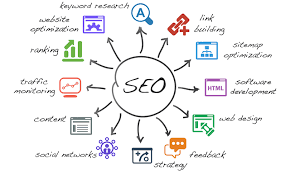
The right SEO approach depends on a website’s goals, audience and current performance. Common services include:
- SEO audits: A review of a website to identify technical issues, content gaps and opportunities to improve its visibility.
- Keyword research: Finding the search terms people use when looking for relevant products, services or information.
- On-page SEO: Improving page titles, headings, internal links and content so each page clearly addresses its subject and serves visitors’ needs.
- Technical SEO: Addressing issues such as crawlability, indexing, page speed, mobile usability and site structure.
- Content strategy: Planning and improving useful, accurate content that answers questions at different stages of the customer journey.
- Local SEO: Helping businesses improve their visibility in location-based searches, including relevant business listings and local pages.
- Link earning: Supporting the creation of content and relationships that can attract relevant, trustworthy links from other websites.
- Reporting and analysis: Measuring progress through metrics such as organic visits, search visibility, enquiries and sales.
Why invest in SEO?
A well-planned SEO strategy can help bring relevant visitors to a website and make it easier for them to take the next step, whether that is making an enquiry, booking an appointment or completing a purchase. It can also reveal what customers are searching for, helping businesses make better decisions about their website and content.
Unlike paid advertising, organic search traffic does not depend on paying for each click. However, SEO still requires investment in expertise, content and technical improvements, and results can take time. The pace of progress varies according to factors such as competition, the website’s history and the work required.
How to choose an SEO services provider
Look for a provider that takes time to understand your business, customers and objectives. A reliable SEO partner should explain its recommendations clearly and connect its work to meaningful outcomes, rather than focusing only on rankings or vague promises.
Before choosing a provider, consider asking:
- What will the initial audit and strategy cover?
- How will progress be measured and reported?
- Which tasks will be completed, and which will require support from your team?
- How does the provider keep its recommendations aligned with search engine guidelines?
- What results are realistic, and over what timeframe?
Be cautious of guaranteed rankings, secret techniques or approaches that rely on spammy links and low-quality content. Search engines continually update how they assess websites, so sustainable SEO is based on useful information, sound technical foundations and a good experience for visitors.
SEO services for long-term growth
Effective SEO combines research, technical improvements and content that genuinely helps people. By focusing on your audience and reviewing performance regularly, your business can build a stronger presence in search results over time.
Whether you need a one-off SEO audit or ongoing support, start with clear objectives. A focused strategy makes it easier to choose the right SEO services, prioritise the work and understand how optimisation contributes to your wider business goals.
8 Tips for Choosing SEO Services and Improving Your Website’s Performance
- Set clear SEO goals before choosing a service.
- Check the provider’s results and client references.
- Ask for a technical and content audit.
- Prioritise helpful content for your audience.
- Use relevant keywords naturally.
- Improve page speed and mobile usability.
- Request transparent reports and regular updates.
- Avoid guaranteed rankings and link-buying schemes.
Set clear SEO goals before choosing a service.
Set clear SEO goals before choosing a service. Decide what you want to achieve, such as attracting more relevant website visitors, generating local enquiries or increasing online sales. Clear goals help you compare providers, choose services that fit your needs and measure progress using meaningful results—not just rankings or traffic figures.
Check the provider’s results and client references.
Before choosing an SEO services provider, check its results and ask for client references. Look for relevant examples that explain the work carried out and the outcomes achieved, such as improved organic traffic, more enquiries or stronger visibility for valuable search terms. Results will vary between businesses, so ask how they were measured and over what period. Speaking to past or current clients can also help you understand the provider’s communication, reliability and approach to reporting.
Ask for a technical and content audit.
Before choosing an SEO provider, ask for a technical and content audit of your website. A technical audit can uncover issues that affect crawling, indexing, site speed and mobile usability, while a content audit can highlight outdated pages, gaps in useful information and opportunities to better match what your audience is searching for. The findings should be clearly explained and prioritised, giving you a practical plan for improvements rather than a list of problems without context.
Prioritise helpful content for your audience.
Prioritise helpful content that answers your audience’s questions and meets their needs. Research what people are searching for, then create clear, accurate and genuinely useful pages rather than writing simply to include keywords. Content that offers real value can build trust, encourage visitors to stay and explore, and support stronger long-term SEO performance.
Use relevant keywords naturally.
Use relevant keywords naturally throughout your website content. Choose terms that reflect what your audience is searching for, then include them where they make sense—in headings, page titles and body text. Avoid forcing keywords into every sentence or repeating them excessively; clear, helpful content is more valuable to readers and provides search engines with a better understanding of each page.
Improve page speed and mobile usability.
Improve page speed and mobile usability to make your website easier to use and more effective in search. Pages that load quickly help visitors find information without waiting, while a responsive design ensures content works well on smaller screens. Compressing images, reducing unnecessary scripts and checking pages on different devices can all help. A smoother mobile experience may encourage visitors to stay longer and take action, supporting your wider SEO goals.
Request transparent reports and regular updates.
Request transparent reports and regular updates from your SEO services provider so you can see what work has been completed and how it is affecting your website. Reports should explain progress in clear terms, using relevant measures such as organic traffic, search visibility, enquiries and sales—not just rankings. Regular discussions also give you the chance to ask questions, review priorities and agree on practical next steps.
Avoid guaranteed rankings and link-buying schemes.
Avoid SEO providers that guarantee specific rankings or rely on link-buying schemes. Search rankings are influenced by many factors and can change, so no reputable provider can promise a particular position. Buying links to manipulate search results may also breach search engine guidelines and put your website at risk of ranking penalties. Choose a provider that focuses on sustainable improvements, such as useful content, sound technical SEO and earning relevant links naturally.