
How to Build an Effective Internet Marketing Strategy
An effective internet marketing strategy gives a business a clear plan for reaching people online, earning their attention and encouraging them to take action. Rather than relying on a collection of disconnected tactics, it brings together channels such as search engines, social media, email and paid advertising around shared business goals.
A strong strategy is not simply about being visible everywhere. It is about understanding the people a business wants to reach, choosing the most suitable channels and measuring whether the activity is delivering meaningful results.
Start with clear objectives
Before choosing platforms or creating content, decide what the marketing needs to achieve. Objectives might include increasing brand awareness, generating enquiries, growing online sales, retaining existing customers or encouraging more people to sign up to a newsletter.
Make objectives specific and measurable. For example, instead of aiming to “get more website traffic”, set a target to increase relevant organic visits by a defined percentage within a particular timeframe. Clear objectives make it easier to prioritise work and judge what is effective.
Understand your audience
Internet marketing works best when it is based on a sound understanding of the intended audience. Research their needs, questions, preferences and online habits. Consider what prompts them to look for a product or service, what concerns might prevent them from making a decision, and which sources they trust.
Customer interviews, surveys, website analytics, search data and feedback from sales or support teams can all provide useful insight. Use this information to develop audience profiles, while avoiding assumptions based on age or location alone. The aim is to understand people’s motivations and the problems they want to solve.
Develop a clear message
Once the audience is understood, define why they should choose your business. A clear value proposition explains what you offer, who it is for and what makes it useful or different. Keep the message consistent across your website, adverts, social channels and email communications.
Consistency does not mean repeating the same wording everywhere. Adapt the presentation to suit each channel, while keeping the underlying promise and tone recognisable.
Choose the right channels
There is no need to use every internet marketing channel. The right mix depends on your objectives, audience, resources and the buying journey.
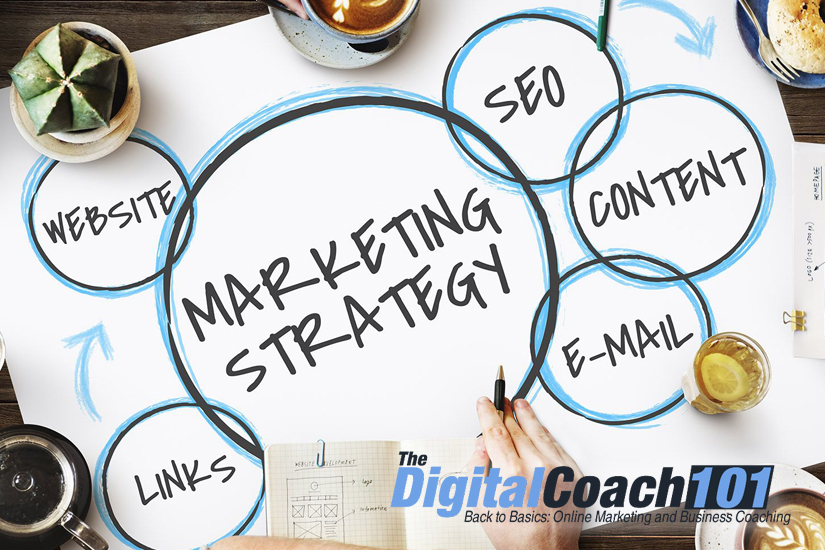
- Search engine optimisation (SEO): Helps people discover useful pages through unpaid search results. It involves creating relevant content, improving site structure and ensuring that pages provide a good experience.
- Content marketing: Provides helpful information through articles, guides, videos, case studies and other formats. Useful content can build trust and support customers as they research their options.
- Social media: Offers opportunities to share content, take part in relevant conversations and build relationships. Platform choice should reflect where the audience is active and what the business can maintain consistently.
- Email marketing: Allows businesses to communicate directly with people who have chosen to receive updates. Relevant, well-timed messages can support both customer acquisition and retention.
- Paid advertising: Can help reach specific audiences or generate traffic quickly. Campaigns should have clear objectives, carefully managed budgets and relevant landing pages.
These channels can work together. For instance, a useful guide may attract visitors through search, be shared on social media and form the basis of an email campaign.
Create content for each stage of the journey
People do not always make a decision the first time they encounter a business. Some are learning about a problem; others are comparing possible solutions or deciding whether to buy. A well-planned content strategy addresses these different stages.
Introductory articles and videos can answer early questions. Comparisons, demonstrations and detailed guides can help people assess their options. Clear product information, reviews, case studies and straightforward calls to action can support those who are ready to act.
Every piece of content should have a purpose and a suitable next step. That might be reading a related article, requesting more information, making a purchase or subscribing to updates.
Make the website work hard
A website is often where online marketing activity leads, so it should be easy to use, quick to load and accessible across different devices. Visitors should be able to understand what is offered, find important information and complete key tasks without unnecessary effort.
Review page headings, navigation, contact details, forms and calls to action. Make sure landing pages match the promises made in adverts or links. A campaign may attract plenty of visitors, but confusing or irrelevant pages can prevent those visits from becoming enquiries or sales.
Measure what matters
Measurement helps businesses understand whether their strategy is working and where improvements may be needed. Choose metrics that relate to the original objectives rather than focusing only on numbers that look impressive.
Useful measures may include qualified website visits, enquiry or purchase rates, cost per lead, email engagement, repeat purchases and revenue generated by a campaign. Use analytics tools and tracking consistently, while respecting privacy requirements and obtaining consent where necessary.
Review results regularly, but allow enough time for activity to produce meaningful data. Search visibility and customer trust, for example, often take time to build. Compare performance with previous periods and consider the quality of outcomes, not just their quantity.
Test, learn and improve
An internet marketing strategy should evolve as customer needs, business priorities and online platforms change. Test individual elements such as headlines, page layouts, audience targeting or email subject lines. Change one or two factors at a time where possible, so that results are easier to interpret.
Use what you learn to refine the plan. Invest more in approaches that produce valuable results, improve underperforming activity and stop spending time or money on tactics that do not support your objectives.
Build a strategy for lasting results
Successful internet marketing is an ongoing process, not a one-off campaign. It begins with clear objectives and audience insight, then brings together suitable channels, useful content, a well-designed website and meaningful measurement.
By staying focused on customer needs and using evidence to guide decisions, businesses can create a more coherent online presence, make better use of their marketing resources and build relationships that support long-term growth.
Five Essential Tips for Crafting an Effective Internet Marketing Strategy
- Set clear, measurable marketing goals.
- Know your audience and where they spend time online.
- Create useful content that solves real problems.
- Test channels and track results regularly.
- Refine your strategy using data and customer feedback.
Set clear, measurable marketing goals.
Set clear, measurable marketing goals so you can focus your efforts and see whether they are working. Rather than aiming simply to “get more customers”, set a specific target, such as increasing qualified website enquiries by 15% over the next three months. Choose goals that support your wider business priorities, give each one a timeframe and track relevant measures regularly. This makes it easier to spot what is delivering results, adjust your approach and use your marketing budget effectively.
Know your audience and where they spend time online.
Knowing your audience is essential to an effective internet marketing strategy. Research their needs, interests and online habits, including the websites, search engines and social media platforms they use most. This helps you choose the right channels and shape messages that feel relevant, rather than spreading your time and budget too thinly. Use customer feedback, surveys and website analytics to check your assumptions and refine your approach over time.
Create useful content that solves real problems.
Create useful content that solves real problems by focusing on the questions, challenges and needs your audience has. Practical guides, clear explanations and relevant examples can help people make informed decisions while showing that your business understands its subject. Rather than publishing content simply to fill a schedule, make every piece valuable, accurate and easy to use. This approach can build trust, encourage people to return and support stronger long-term relationships with your audience.
Test channels and track results regularly.
Test different marketing channels to find out which ones best reach your audience and support your goals. Track results regularly using relevant measures, such as qualified visits, enquiries, sales or cost per lead, rather than relying on likes or impressions alone. Use what you learn to refine your approach, invest in the channels that perform well and adjust or stop activity that is not delivering value.
Refine your strategy using data and customer feedback.
Refine your internet marketing strategy by combining performance data with direct customer feedback. Track relevant measures, such as enquiries, conversions and engagement, to see which channels and messages are working. Then use surveys, reviews and customer conversations to understand why people respond as they do and what they still need. Regularly apply these insights to improve your content, campaigns and website, so your strategy stays relevant and focused on meaningful results.