
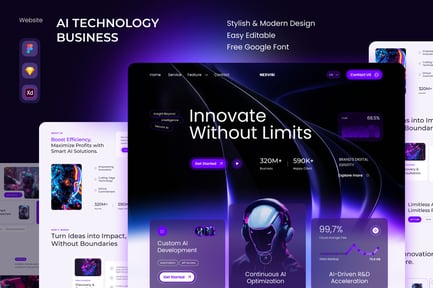
The Importance of Web UI/UX Design
Web User Interface (UI) and User Experience (UX) design play a crucial role in determining the success of a website. UI focuses on the look and feel of a website, while UX is concerned with how users interact with the site. Both aspects are essential for creating a seamless and enjoyable experience for visitors.
UI Design
UI design involves creating visually appealing elements such as layouts, colours, typography, and graphics that enhance the overall aesthetic of a website. A well-designed UI not only attracts users but also guides them through the site, making it easy for them to find information and navigate effortlessly.
UX Design
UX design focuses on enhancing user satisfaction by improving the usability and accessibility of a website. This involves understanding user behaviour, conducting research, and implementing features that make the browsing experience smooth and intuitive. A good UX design ensures that visitors can easily accomplish their goals on the site.
The Impact of Web UI/UX Design
Effective web UI/UX design can have several benefits for businesses, including increased user engagement, higher conversion rates, improved brand perception, and customer loyalty. By investing in quality UI/UX design, companies can differentiate themselves from competitors and create memorable online experiences for their audience.
Conclusion
In conclusion, web UI/UX design is an integral part of creating successful websites that engage users and drive business growth. By prioritising both UI and UX aspects in website development, businesses can deliver exceptional digital experiences that leave a lasting impression on visitors.
7 Essential Tips for Enhancing Web UI/UX Design
- Keep the design simple and clean for easy navigation
- Use consistent branding elements throughout the website
- Prioritize mobile responsiveness for a seamless user experience on all devices
- Include clear call-to-action buttons to guide users towards desired actions
- Optimize loading times to prevent user frustration
- Incorporate intuitive navigation menus for easy exploration of the website
- Gather feedback from users to continuously improve the web UI/UX
Keep the design simple and clean for easy navigation
When focusing on web UI/UX design, it is essential to adhere to the principle of keeping the design simple and clean for easy navigation. By minimising clutter and unnecessary elements, users can effortlessly find their way around the website, leading to a more intuitive and enjoyable browsing experience. A streamlined design not only enhances user engagement but also promotes better usability, ultimately contributing to the overall success of the website.
Use consistent branding elements throughout the website
Ensuring consistent branding elements across a website is a fundamental principle of effective web UI/UX design. By maintaining uniformity in colours, typography, logos, and other brand elements throughout the site, users can easily identify and connect with the brand. Consistency not only reinforces brand recognition but also enhances user experience by providing a cohesive and visually appealing interface. This practice builds trust and credibility with visitors, creating a seamless browsing experience that reflects the brand’s identity and values.
Prioritize mobile responsiveness for a seamless user experience on all devices
Ensuring mobile responsiveness is prioritised in web UI/UX design is essential for delivering a seamless user experience across all devices. With the increasing use of smartphones and tablets to access websites, it is crucial to design interfaces that adapt and function optimally on various screen sizes. By focusing on mobile responsiveness, businesses can cater to a wider audience and provide users with consistent and user-friendly interactions, regardless of the device they are using.
Include clear call-to-action buttons to guide users towards desired actions
In the realm of web UI/UX design, an essential tip is to incorporate clear call-to-action buttons strategically throughout the website. These buttons serve as signposts for users, directing them towards specific actions such as making a purchase, signing up for a newsletter, or contacting the business. By making these buttons prominent and easily identifiable, designers can guide users towards their intended goals, enhancing the overall user experience and increasing conversion rates.
Optimize loading times to prevent user frustration
Optimising loading times is a crucial aspect of web UI/UX design to prevent user frustration. Slow-loading websites can deter visitors and lead to high bounce rates, impacting user experience negatively. By prioritising fast loading speeds, designers can ensure that users have a seamless browsing experience, keeping them engaged and satisfied. Efficient loading times not only enhance usability but also contribute to overall user satisfaction, ultimately improving the success of a website.
Incorporate intuitive navigation menus for easy exploration of the website
Incorporating intuitive navigation menus is a fundamental tip in web UI/UX design that enhances the user experience by allowing visitors to easily explore and navigate through the website. By providing clear and user-friendly navigation options, such as well-organised menus and intuitive links, users can quickly find the information they are seeking, leading to a more seamless browsing experience. Intuitive navigation menus not only improve usability but also contribute to higher user engagement and satisfaction, ultimately helping to create a positive impression of the website.
Gather feedback from users to continuously improve the web UI/UX
Gathering feedback from users is a valuable practice to continuously enhance the web UI/UX design. By listening to users’ opinions, suggestions, and pain points, businesses can gain valuable insights into how their website is perceived and used. This feedback loop allows for iterative improvements that address user needs and preferences, ultimately leading to a more intuitive and engaging online experience. Incorporating user feedback into the design process demonstrates a commitment to customer satisfaction and helps in building long-lasting relationships with the audience.