
SEO: A Practical Guide to Search Engine Optimisation
Search engine optimisation (SEO) is the practice of improving a website so that people can find it more easily through search engines such as Google and Bing. Good SEO helps search engines understand a site and helps visitors find useful, relevant information. It is not a quick fix or a guaranteed route to the top of search results; it is an ongoing process built around quality, accessibility and trust.
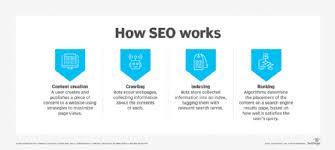
How SEO works
Search engines discover pages by crawling links, add information about those pages to their indexes, and then rank relevant results in response to a search. Their systems consider many signals, including the meaning of a query, the relevance and usefulness of a page, the quality of its content and the experience it offers.
SEO helps make a website easier to discover, understand and use. While no one outside a search engine can guarantee a particular ranking, following sound practices can improve a site’s chances of appearing for relevant searches.
Understand your audience and their searches
Effective SEO starts with understanding what your potential visitors need. Think about the questions they ask, the problems they want to solve and the words they use when searching. Keyword research can help reveal these patterns, but the goal is not to insert as many keywords as possible. It is to create pages that genuinely answer the searcher’s needs.
Consider the intent behind a search. Someone searching for “how to choose a bicycle” may want advice, while someone searching for “buy a bicycle near me” is more likely to be ready to make a purchase. Matching a page to that intent makes it more useful to visitors.
Create helpful, original content
High-quality content is central to sustainable SEO. Write for people first: provide accurate information, explain topics clearly and offer something of genuine value. Depending on your organisation, useful content might include guides, product information, service pages, case studies or answers to common questions.
Organise each page around a clear subject. Use descriptive headings, short paragraphs and helpful links to related pages. Keep information up to date, especially where details may change. Avoid copying content from other websites or creating pages solely to target minor variations of the same search term.
Improve on-page elements
On-page SEO involves making individual pages clear and relevant. These elements are a useful starting point:
- Page titles: Give each page a concise, distinctive title that accurately describes its content.
- Headings: Use headings in a logical order to make the page easier to scan and understand.
- Page addresses: Choose short, descriptive URLs where practical.
- Images: Use relevant images, compress them to help pages load quickly, and provide alternative text when an image conveys information.
- Internal links: Link related pages using clear wording so visitors and search engines can follow your site.
- Meta descriptions: Write a concise summary of each page. Search engines may use it in results, although they can choose different text.
Look after technical SEO
Technical SEO helps search engines access and interpret your site. It also supports a reliable experience for visitors. Check that important pages can be crawled and indexed, that broken links are fixed, and that your website works well on mobile devices.
Page speed, secure connections (HTTPS), a clear site structure and accurate sitemap information can all contribute to a sound technical foundation. Structured data may help search engines interpret specific types of information, but adding it does not guarantee enhanced search results. Regular technical checks can help uncover problems before they affect visitors or visibility.
Build reputation and trust
Links from other reputable websites can help people discover your content and may provide useful context about your site. The best way to earn them is to publish material worth referencing and build genuine relationships within your field.
Avoid buying links or using schemes designed to manipulate rankings. These tactics can damage a site’s reputation and may lead to search engine penalties. Trust is also supported by transparent business information, accurate claims, clear contact details and evidence of relevant expertise.
Consider local SEO
For organisations that serve a particular area, local SEO can help reach nearby customers. Keep your business name, address and telephone number consistent across relevant directories. Maintain an accurate business profile on platforms used by your customers, and encourage genuine reviews without offering incentives for positive feedback.
Local pages should provide practical information, such as the areas served, opening hours and available services. Make sure the content is useful rather than simply repeating place names.
Measure progress
SEO takes time, so assess progress using several measures rather than focusing only on rankings. Useful indicators may include:
- organic visits to key pages;
- search queries that bring people to your site;
- enquiries, sales or other meaningful actions;
- indexing and technical issues; and
- how visitors engage with your content.
Tools such as Google Search Console and web analytics platforms can help you understand performance. Use the findings to improve pages, address technical problems and identify new content opportunities. Be mindful of privacy requirements when collecting or analysing visitor data.
Common SEO mistakes to avoid
Some approaches can undermine both the visitor experience and long-term performance. These include keyword stuffing, publishing thin or duplicated pages, hiding text, buying manipulative links and making promises that a website cannot support. It is also a mistake to treat SEO as a one-off task: search behaviour, competitors and websites change over time.
Conclusion
SEO is most effective when it supports the wider purpose of a website: helping people find clear, trustworthy and useful information. Start with your audience, publish content that meets their needs, maintain a technically sound site and review results regularly. Consistent, ethical work is more likely to deliver lasting value than attempts to chase short-term ranking gains.
7 Essential SEO Tips to Improve Your Website’s Search Rankings
- Research the search terms your audience uses.
- Write clear, useful titles and meta descriptions.
- Create helpful, original content that answers real questions.
- Use descriptive headings and organise pages logically.
- Make your website fast and mobile-friendly.
- Add descriptive alt text to images.
- Earn relevant links from trusted websites.
Research the search terms your audience uses.
Research the search terms your audience uses to understand what they are looking for and how they describe it. Consider the questions they ask, the problems they want to solve and the words they use at different stages of their decision-making. Keyword research tools, customer conversations and your website’s search data can help uncover these patterns. Use your findings to create clear, useful content that matches people’s needs, rather than simply repeating keywords.
Write clear, useful titles and meta descriptions.
Write clear, useful titles and meta descriptions to help people understand what each page offers before they visit. Keep titles concise, specific and relevant to the page, and make each one unique across your site. Use the meta description to summarise the main benefit or information in natural language, rather than cramming in keywords. Search engines may display different text in results, but accurate, helpful descriptions can make your pages more appealing to the right audience.
Create helpful, original content that answers real questions.
Create helpful, original content that answers the real questions your audience is asking. Find out what people need to know, then explain it clearly, accurately and in enough detail to be genuinely useful. Rather than repeating keywords or reworking existing articles, offer your own expertise, examples or practical advice. Content made for people builds trust, encourages visitors to stay and gives search engines a clearer understanding of what your page is about.
Use descriptive headings and organise pages logically.
Use descriptive headings to make your content easier to scan and understand. Organise them in a logical order, with one clear main heading followed by relevant subheadings, so readers can quickly find the information they need. Clear headings also help search engines understand how a page is structured and what each section covers.
Make your website fast and mobile-friendly.
Make your website fast and mobile-friendly so visitors can find what they need without delay, whether they’re browsing on a phone, tablet or computer. Compress images, reduce unnecessary scripts and use responsive design to make pages load quickly and display clearly on different screen sizes. A smooth, accessible experience can encourage people to stay and engage with your content, while helping search engines understand that your site is practical and easy to use.
Add descriptive alt text to images.
Add descriptive alt text to images to help people using screen readers understand what each image shows, and to give search engines useful context. Keep the wording concise and specific, describing the image’s purpose rather than listing keywords. For decorative images that add no meaningful information, use empty alt text so assistive technology can skip them.
Earn relevant links from trusted websites.
Earn relevant links from trusted websites by creating useful, original content that others in your field will want to reference. These links can help visitors discover your site and give search engines context about your expertise. Focus on genuine relationships, such as contributing expert insights or sharing research, rather than buying links or joining schemes designed to manipulate rankings.